Galaxy, SharpLink to Launch $125 Million DeFi Fund to Expand Ethereum Yield Strategies
Summary
- Galaxy and SharpLink said they are launching a $125 million, DeFi, on-chain yield fund to expand decentralized finance investment.
- The fund will draw on SharpLink's ETH treasury assets and staking yield experience to pursue more active DeFi strategies such as lending and liquidity provision, with some targeting annual returns of more than 10%.
- As recent cases of DeFi hacks, asset outflows and market anxiety continue, Galaxy will serve as sole manager in charge of risk controls, while SharpLink said only protocols that meet institutional-grade security standards will be able to attract long-term capital.
Forecast Trend Report by Period


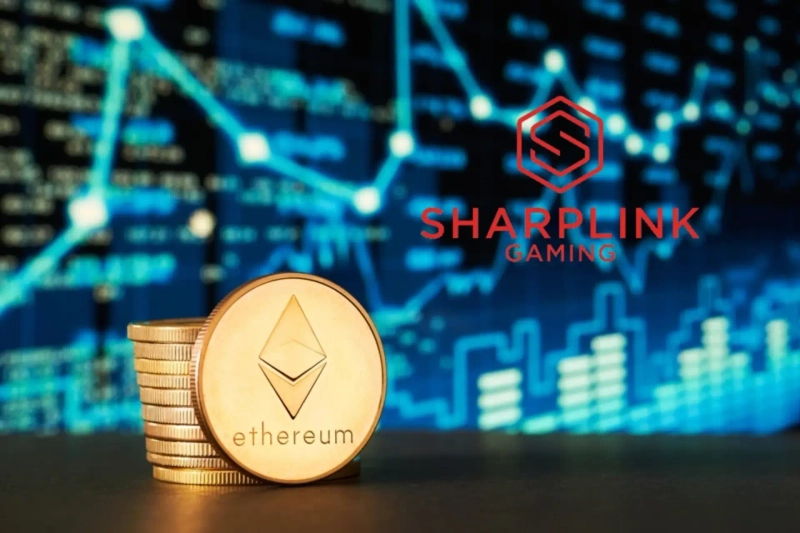
Galaxy, the crypto financial services firm founded by Mike Novogratz, and Ethereum treasury company SharpLink are launching a $125 million fund to expand decentralized finance investing.
Forbes reported on May 11 that the companies plan to roll out the Galaxy SharpLink Onchain Yield Fund within weeks.
The fund will include $100 million from SharpLink's Ethereum treasury and $25 million from Galaxy. Galaxy will act as the sole manager, handling protocol selection, position management and risk controls.
SharpLink has a market capitalization of about $1.5 billion and is considered the second-largest Ethereum treasury strategy company. It said it holds about $2.1 billion in ETH treasury assets, all of which are currently staked.
The company generates staking yield through platforms including Linea, Ether.fi and Liquid Collective. SharpLink said it has earned about $44.6 million since June 2025.
Chief Executive Officer Joseph Chalom said Ethereum treasury strategy companies are meant to put ETH to work as productively as possible. He said the business is moving beyond simple token holding and into a phase focused on maximizing profitability.
The fund will pursue more aggressive DeFi strategies than traditional staking, including lending and liquidity provision. Some of those strategies target annual returns of more than 10%.
The move comes as risk management has drawn greater scrutiny following a string of DeFi hacks.
In April, Solana-based derivatives protocol Drift suffered a hack worth about $285 million. That was followed by an outflow of about $292 million from the rsETH bridge operated by Kelp DAO.
Hackers used some of the stolen assets as collateral on Aave to borrow additional funds, deepening market concerns. About $9 billion was withdrawn from Aave at the time, the report said.
Chalom said the DeFi turmoil is part of a process that will raise the bar for security. Only protocols that meet institutional-grade security standards will be able to attract capital over the long term, he added.

Minseung Kang
minriver@bloomingbit.ioBlockchain journalist | Writer of Trade Now & Altcoin Now, must-read content for investors.