Trump Rejects Iran Proposal as Brent Crude Rises Back Above $103
Summary
- Israel’s continuing conflict with Iran and President Trump’s rejection of an Iranian proposal pushed international oil prices higher again.
- Citibank said oil prices could rise further if Iran and the US fail to reach an agreement, and that delays in reopening the Strait of Hormuz could prolong the disruption.
- Schuurman said the current supply loss is similar to the scale of demand destruction seen during the pandemic, and argued that higher crude prices could trigger sharp increases in consumer goods prices and broader economic crises across countries.
Forecast Trend Report by Period


Brent crude futures above $103 a barrel
Israel says conflict with Iran is not over
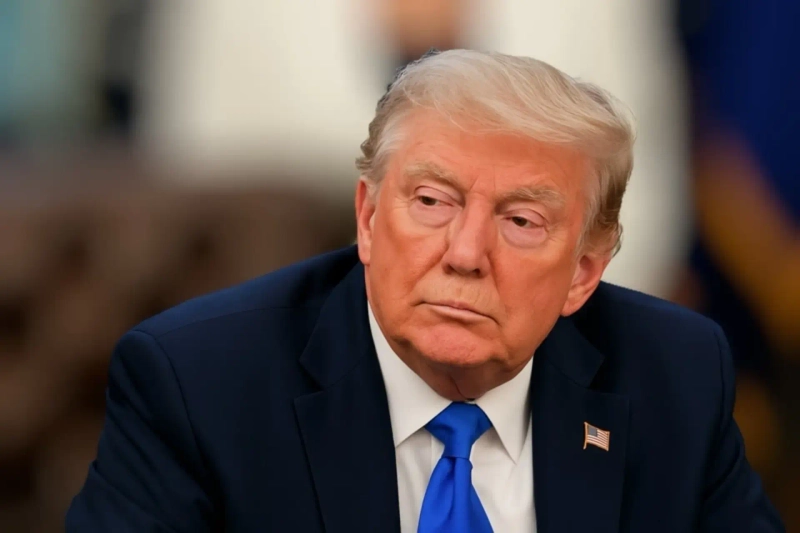
Oil prices rose again on May 11 as Israel warned that its conflict with Iran was not over and President Donald Trump rejected Tehran’s proposal to end the war involving the US and Israel, renewing concerns about disruptions to energy supplies.
Israeli Prime Minister Benjamin Netanyahu said the conflict with Iran was “not over yet.” Brent crude futures for July delivery, the international benchmark, rose 2.5% to $103.89 a barrel as of 12:40 p.m. London time as tensions in the Middle East escalated. West Texas Intermediate crude for June delivery also gained 2.5% to $97.88 a barrel.
Trump also rejected Iran’s proposal to end the war involving the US and Israel. “I just read the response from Iran’s so-called ‘delegation,’ and I don’t like it. It is totally unacceptable,” he said.
In an interview with CBS’s “60 Minutes” the previous night, Netanyahu said Iran still had nuclear material and enriched uranium that “must be removed.” He also said there were enrichment facilities that had to be dismantled, Iran-backed proxy forces and ballistic missiles Iran was seeking to produce.
Asked how the US and Israel would remove the nuclear material, Netanyahu replied: “Go in and take it out.”
Citibank analysts wrote in a recent report that oil prices could climb further if Iran and the US fail to reach an agreement. High crude inventories, releases from strategic petroleum reserves, weaker demand from developing economies and signs of easing tensions in the Middle East have helped cushion the oil market, they added.
Still, Citibank said risks to oil prices remained tilted to the upside because Iran retains substantial control over the timing and conditions of any agreement to reopen the Strait of Hormuz.
Citi said it expects the two sides to reach an agreement to reopen the Strait of Hormuz around late May, though delays or only a partial reopening could prolong the disruption.
Felipe Elink Schuurman, chief executive officer and co-founder of Sparta Commodities, compared current oil-market conditions with those seen during the 2020 pandemic.
In an interview with CNBC on May 11, Schuurman said global oil demand in 2020 fell by an average of 9 million barrels a day from 2019, almost the same as the current drop in supply. That means the market will adjust, and consumers will experience demand destruction on a similar scale.
“The question is where that demand destruction will happen,” he said. Crude may not rise to $200 a barrel, but prices for products consumers buy could climb by that much, he said. Poorer countries would face a humanitarian crisis, Europe an economic crisis and the US a political crisis, he added.
Kim Jung-a, guest reporter, Hankyung.com, kja@hankyung.com

Korea Economic Daily
hankyung@bloomingbit.ioThe Korea Economic Daily Global is a digital media where latest news on Korean companies, industries, and financial markets.