US Senate Banking Panel Advances CLARITY Act in 15-9 Vote, Industry Calls It Turning Point
Summary
- The US Senate Banking Committee approved the CLARITY Act in a 15-9 vote, prompting the crypto industry to express hopes that the sector is moving into the regulatory mainstream.
- The industry described the bill as a decisive turning point for the digital-asset industry and said it had strengthened the momentum behind the legislation.
- Debate over the bill’s details is continuing, with calls for further revisions over issues including a rollback of BRCA-related provisions and limits on stablecoin rewards.
Forecast Trend Report by Period


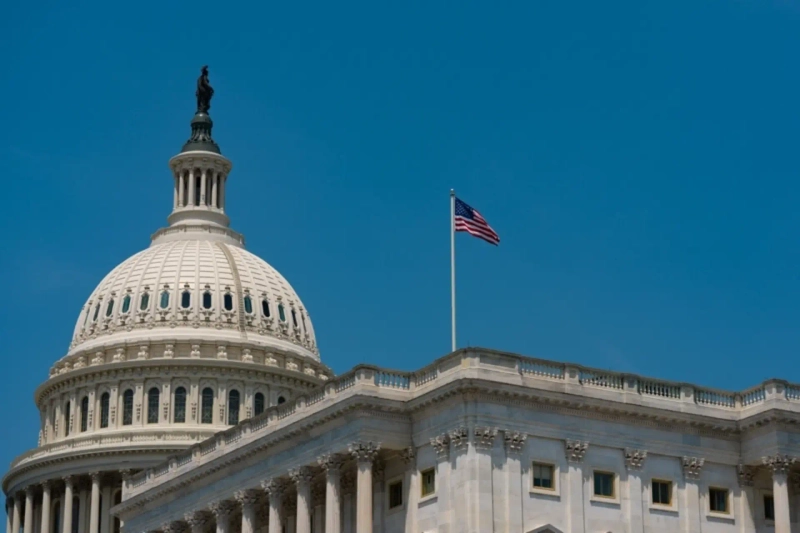
The US Senate Banking Committee advanced the CLARITY Act, a market-structure bill for digital assets, fueling industry expectations that the sector is moving closer to the regulatory mainstream. Debate persists, however, over ethics provisions related to President Donald Trump’s family crypto businesses.
The Block reported on May 14 that the committee approved the CLARITY Act by a 15-9 vote. The measure had been expected to divide along party lines, but Democratic Senators Ruben Gallego and Angela Alsobrooks voted yes, giving the bill some bipartisan backing.
Both senators said the legislation still needs stronger ethics and financial-crime provisions before a final vote. At the center of the dispute is an ethics clause that would restrict digital-asset trading by the president, vice president, federal officials and their family members.
During the committee markup, Gallego said he would oppose the bill on the Senate floor if the ethics issue is not resolved. Alsobrooks said in a statement that her vote was intended to keep the discussion moving and did not signal support for final passage.
The crypto industry welcomed the vote. Ji Kim, chief executive officer of the Crypto Council for Innovation, called it a decisive turning point for the digital-asset industry.
Cody Carbone, chief executive officer of The Digital Chamber, said support from two Democratic senators was unexpected and had significantly strengthened momentum behind the bill.
Disputes over the bill’s details remain. Critics said provisions tied to the Blockchain Regulatory Certainty Act, or BRCA, were scaled back in late-stage negotiations, particularly language aimed at ensuring non-custodial DeFi developers are not treated as money transmitters.
The DeFi Education Fund said in a statement that the bill is not perfect, but represents important progress toward writing software-protection principles into law.
Coinbase Chief Executive Officer Brian Armstrong called the day historic for the crypto industry. Compared with January, the bill has improved significantly on key issues including stablecoin rewards, tokenization, DeFi and the authority of the Commodity Futures Trading Commission, he said.
Banking groups including the American Bankers Association and the Bank Policy Institute took a more cautious stance. In a joint statement, they said the bill marks important progress toward establishing a digital-asset regulatory framework, but argued that additional limits on stablecoin rewards are needed. Without proper safeguards, they said, stablecoins could replace bank deposits and hurt local lending and economic activity.

YM Lee
20min@bloomingbit.ioCrypto Chatterbox_ tlg@Bloomingbit_YMLEE