South Korea Floats Emergency Arbitration in Samsung Strike Standoff, Calls May 18 Talks ‘Last Chance’
Summary
- The government said it had officially raised for the first time the possibility of invoking emergency arbitration over the risk of a Samsung Electronics strike.
- It said a one-day shutdown at Samsung Electronics’ semiconductor plants could cause losses of as much as $720 million and hurt the broader South Korean economy through weaker exports and financial-market instability.
- It also expressed concern that the strike could undermine the credibility and foundation of South Korea’s semiconductor industry amid the global AI chip race.
Forecast Trend Report by Period


Prime Minister Kim Min-seok says a one-day halt at Samsung chip plants could cost as much as $720 million
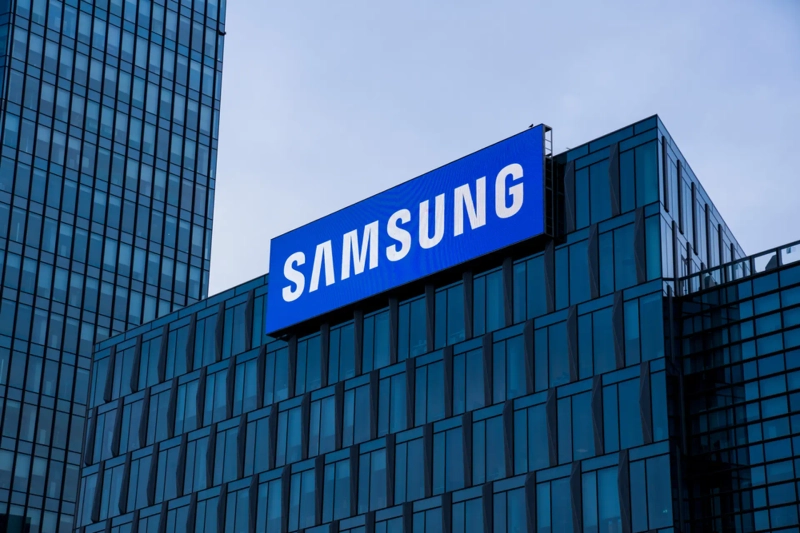
South Korea’s government has for the first time officially raised the possibility of invoking emergency arbitration as a last-resort response to the risk of a strike at Samsung Electronics.
Prime Minister Kim Min-seok, speaking in a public address at the Government Complex Seoul on May 17, said the government "cannot help but consider every possible response, including emergency arbitration, to protect the national economy."
The remarks came ahead of follow-up mediation talks at the National Labor Relations Commission on May 18, with Samsung management and labor both set to attend. The meeting is effectively the last chance to avert a strike, and the government’s warning appeared aimed at pressuring both sides.
"The May 18 talks are effectively the last chance to prevent a strike," Kim said. "Both labor and management must not take the weight of this meeting lightly."
Kim said any disruption to Samsung’s semiconductor production would extend beyond one company’s losses and hurt the broader South Korean economy through weaker exports, financial-market instability, worsening conditions for suppliers and their workers, and reduced domestic investment. A one-day stoppage at Samsung Electronics’ chip plants could result in direct losses of as much as $720 million, he said. Once production lines are shut down, restoring them to normal operations could take months, adding to the damage.
He also voiced concern that South Korea could surrender the strategic advantage it had worked to secure in the global race for artificial-intelligence semiconductors to rival countries. A strike at such a critical moment would undermine the credibility and foundation of the country’s semiconductor industry, he added.
Labor Minister Kim Young-hoon also attended the briefing. Authority to invoke emergency arbitration rests with the labor minister. If the measure is used, strikes are prohibited for 30 days while the National Labor Relations Commission conducts mediation.
The most recent case came during a Korean Air strike on Dec. 8, 2005. The government invoked emergency arbitration then to prevent major transportation disruptions and public inconvenience, and an arbitration ruling was issued on Jan. 10, 2006.
Nam Jung-min, Hankyung.com reporter, peux@hankyung.com

Korea Economic Daily
hankyung@bloomingbit.ioThe Korea Economic Daily Global is a digital media where latest news on Korean companies, industries, and financial markets.