SEC Weighs Plan to Let Apple, Tesla Stock Tokens Trade 24/7 Like Crypto
Forecast Trend Report by Period


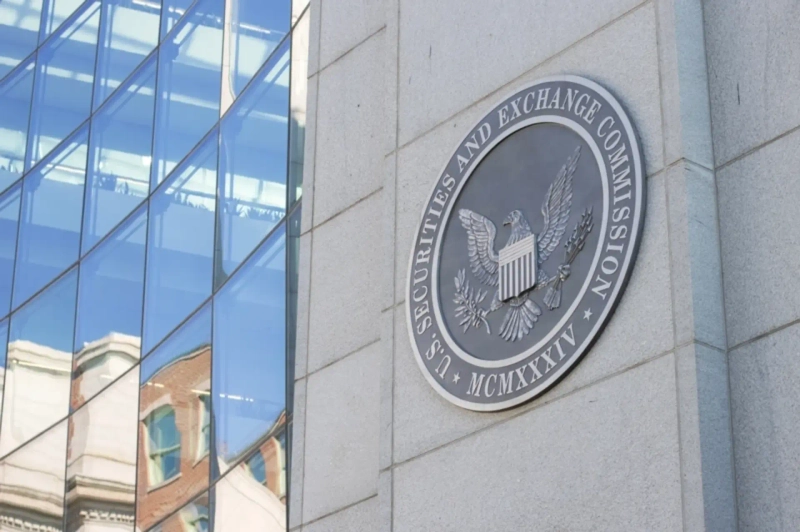
Tokens based on publicly traded stocks in the US may soon be created and traded regardless of whether the underlying companies approve them. That would allow investors to buy and sell tokens bearing the names of Nasdaq-listed companies such as Tesla on crypto exchanges. Investors could trade fractions such as 0.1 of a Tesla share or 0.01 of an Alphabet share around the clock. Critics warn that wider gaps between stock and token prices could disrupt markets and weaken the stock market’s core capital-raising role.
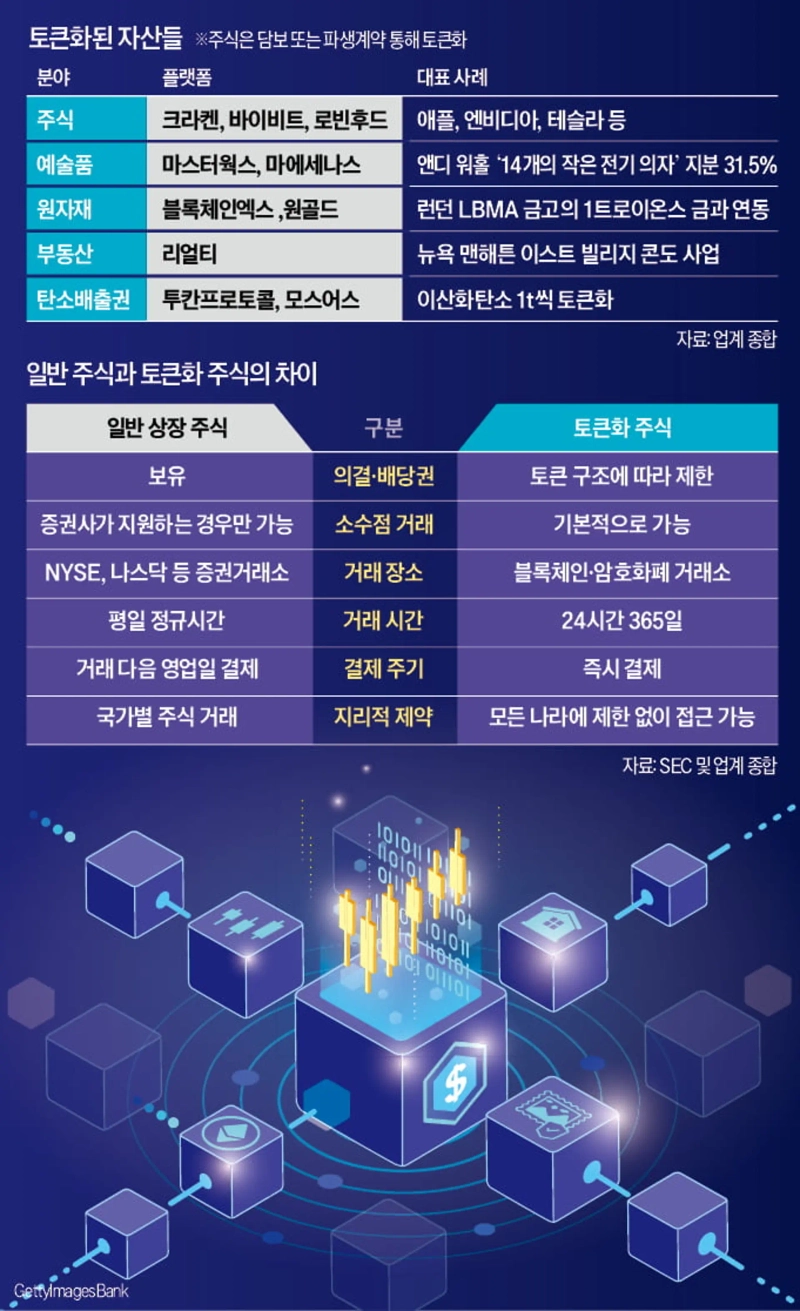
SEC to Unveil Proposal This Week
Bloomberg reported on May 19 that the US Securities and Exchange Commission plans to announce an "innovation exemption" for tokenized stocks this week. The agency is weighing a framework that would allow token trading without the consent or backing of the issuing company. Tokenized shares would trade on decentralized crypto platforms and be verified through blockchain networks.
In the US, fintech firms including Robinhood already offer tokenized products tied to listed stocks such as Apple, Tesla and Nvidia. Most of those tokens are linked to the underlying shares through derivatives or pre-purchased stock. In most cases, however, they do not grant shareholder rights such as voting or dividends.
The SEC is seeking to bring tokenized stocks into the US securities regulatory framework while also guaranteeing rights such as voting and dividends. It would do that by restricting platforms from listing such tokens unless they can offer the same rights as ordinary shares. If a crypto exchange buys 100 Tesla shares, for example, it would be allowed to issue and distribute tokens only up to the value of those holdings. That structure could also reduce bankruptcy risk at the token issuer or platform and lower the chance of misleading investors.
The proposal was led by SEC Commissioner Hester Peirce, known as "Crypto Mom," the report said. Since early in her tenure, she has worked to help crypto firms tokenize securities without violating US securities laws. The agency wants to test whether stock trading can move beyond traditional trading systems and be incorporated into crypto infrastructure.
Easier Trading, but Risks Remain
The clearest benefit for investors would be 24-hour trading. Unlike conventional stocks, which can only be traded during set hours, tokenized shares could be bought and sold at any time on crypto infrastructure. Access to equity markets would also improve. Investors with only a crypto wallet would not need to open a brokerage account in the country where a company is listed. In principle, a crypto wallet alone could be enough to trade US-listed Nvidia or South Korea’s Samsung Electronics.
Concerns are also being raised inside and outside the SEC, with market fragmentation seen as the biggest issue. The Securities Industry and Financial Markets Association said in December 2025 that weak links between tokenized markets and traditional stock exchanges could undermine essential market safeguards, including price transparency. That, it said, raises the risk of fragmented and disorderly markets. There are also concerns that price discovery could be distorted if liquidity in the same listed stock is split between conventional exchanges and crypto infrastructure.
It remains unclear how broadly the SEC would define the scope of tokenization. Depending on the standards it adopts, crypto exchanges in the US could emerge that allow trading in companies such as Samsung Electronics or Japan’s Kioxia regardless of whether they are listed in the US.
One South Korean industry expert said the SEC is also reviewing synthetic tokens that track prices without requiring ownership of the underlying stock. Even if investors forgo dividends and voting rights, such products could let US investors seeking only price exposure invest in companies in South Korea and other countries.
Despite those concerns, the SEC is pushing to expand tokenized stocks because it sees stock tokenization as an unavoidable global trend. Even if the SEC does not introduce tokenized shares, other countries including China could open related markets and absorb global liquidity. In that case, investment flows targeting US-listed big tech stocks could end up on Chinese crypto exchanges rather than in US equity markets.
Son Ju-hyung and Kim Mi-ri, Korea Economic Daily reporters handbro@hankyung.com

Korea Economic Daily
hankyung@bloomingbit.ioThe Korea Economic Daily Global is a digital media where latest news on Korean companies, industries, and financial markets.