South Korea Finance Ministry Says First-Quarter Growth Hit 1.7%, Inflation Stayed in 2% Range
Forecast Trend Report by Period


First-Quarter Growth Reaches 1.7%, Opening the KOSPI 7000 Era
Inflation Holds in the 2% Range as Cartels Are Cracked Down On; Credit Ratings Maintained
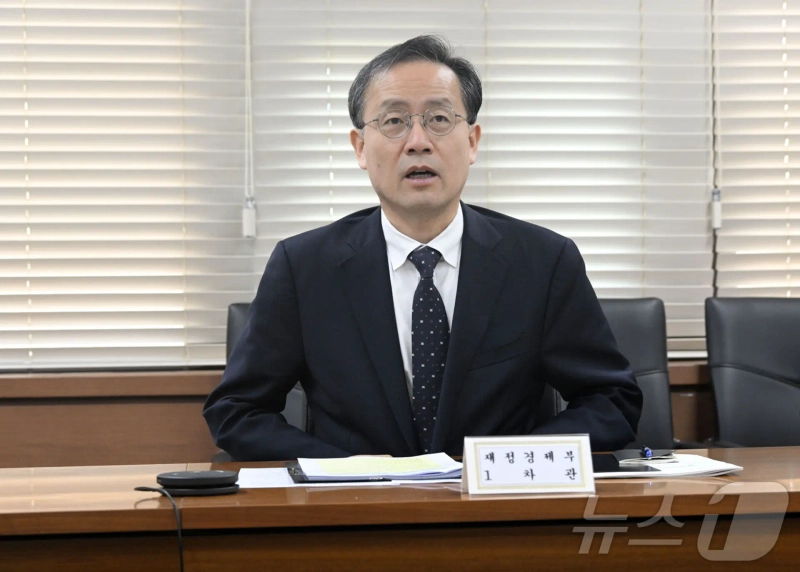
South Korea’s Ministry of Finance and Economy on May 20 presented what it described as the economy’s key achievements during the first year of the people-sovereignty government. It highlighted first-quarter economic growth of 1.7% and the KOSPI’s rise above 7,000 among the main accomplishments.
First Vice Finance Minister Lee Hyoung-il presented the government’s “key achievements in the economic sector” at a Cabinet meeting at the presidential office on May 20. A V-shaped rebound in macroeconomic indicators was cited as a representative example. South Korea’s economy expanded 1.7% in the first quarter from the previous quarter, the highest among major OECD economies that have released data so far. Exports rose 38.3% from a year earlier, supported by strong semiconductor demand, lifting the country to fifth place globally.
The ministry also pointed to an improved standing for the capital market. Since the government took office, the KOSPI has broken above 7,000. Net foreign purchases of South Korean government bonds climbed to 8.8 trillion won ($6.36 billion) as of April following the country’s inclusion in the World Government Bond Index. With growth recovering, this year’s national tax revenue is projected to increase by 41.5 trillion won ($30.0 billion) from a year earlier.
The government also cited price management as an example of cross-ministry coordination. Since February, it has operated a special task force on consumer prices aimed at lowering prices for key processed foods including cooking oil, down 6.7%, flour, down 4.6%, and sugar, down 4.4%.
The ministry said a hard-line stance on collusion had been effective as the Korea Fair Trade Commission conducted broad on-site investigations and prosecutors pursued related probes and indictments. On May 20, the commission announced that it had uncovered flour price-fixing by seven milling companies, including Sajo DongAOne, Daehan Flour Mills and CJ CheilJedang, and imposed fines totaling 671 billion won ($485 million), the largest penalty ever in a cartel case. Earlier, three major sugar producers that led sugar price increases — CJ CheilJedang, Samyang Corp. and Daehan Sugar — also had their companies and executives indicted by prosecutors on collusion charges.
The ministry also highlighted its response to a spike in global oil prices following the outbreak of war in Iran. Lee said the government eased inflationary pressure from the Middle East conflict through a preemptive oil price ceiling and fuel tax cuts. That helped hold April consumer inflation to 2.6%, below the 3.8% recorded in the US and the OECD average of 4.0%.
Stable external credit indicators were also presented as an achievement. The ministry said major global credit rating firms — Fitch Ratings at AA-, Moody’s Ratings at Aa2 and S&P Global Ratings at AA — all maintained South Korea’s sovereign credit rating at stable despite domestic and external uncertainties, including the war in Iran.
Jung Hee-won, Hankyung.com reporter tophee@hankyung.com

Korea Economic Daily
hankyung@bloomingbit.ioThe Korea Economic Daily Global is a digital media where latest news on Korean companies, industries, and financial markets.