Musk to Hold 85.1% of SpaceX Voting Power After IPO
Summary
- SpaceX’s prospectus shows Musk has secured 85.1% of voting power through Class B shares, leaving outside investors with little ability to influence management.
- SpaceX is expected to remain closer to Musk’s personal company even after listing, raising concerns that checks on management would be unusually weak for a public company.
- SpaceX said Musk’s performance-based compensation plan, tied to a $7.5 trillion valuation, a $6.6 trillion valuation and the creation of a Mars colony, is drawing market skepticism over its realism.
Forecast Trend Report by Period


Outside Investors Would Have Little Influence Over Management
Musk’s Class B Shares Carry 10 Votes Each
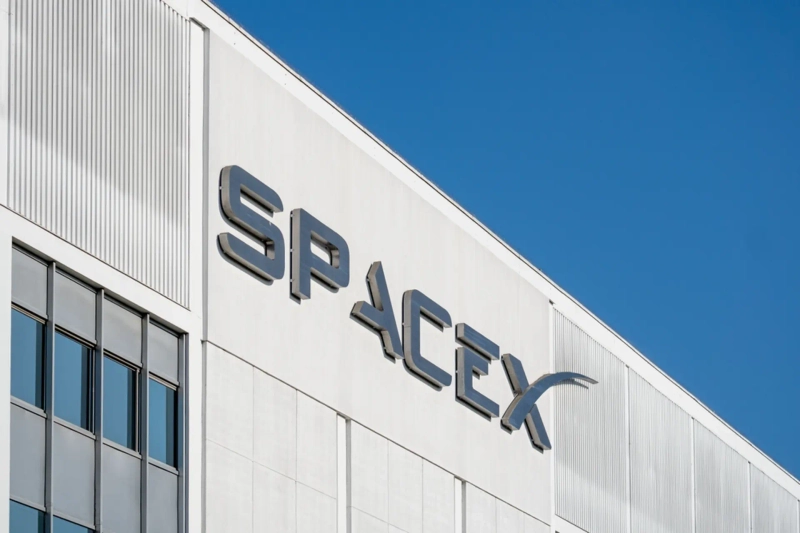
As Elon Musk’s SpaceX moves toward an initial public offering, the company’s concentrated control structure and unusual compensation plan have come under scrutiny.
A prospectus filed with the US Securities and Exchange Commission shows Musk currently controls 85.1% of the company’s voting power. Class A shares to be sold to public investors carry one vote each, while the Class B shares held by Musk carry 10 votes apiece.
Musk owns 849 million Class A shares and 5.6 billion Class B shares. Including stakes held by other senior executives, total voting control rises to 86%. That leaves outside investors with virtually no path to influence management.
The governance structure also ensures that no one other than Musk can remove him. Shareholders are required to pursue legal claims through arbitration, and the company has also restricted where lawsuits may be filed.
Wall Street expects SpaceX to remain closer to a personal company of Musk than to a typical listed corporation even after going public. US corporate governance specialists have raised concerns that the checks on management would remain unusually weak for a public company.
Musk’s compensation plan has also drawn skepticism over whether it is achievable. In January, SpaceX approved an award of 1 billion performance-based Class B shares for Musk. The shares will vest only if SpaceX builds a permanent Mars colony with more than 1 million residents.
The company must also meet valuation targets. SpaceX said it established 15 market-cap milestones, with the final one requiring the company’s valuation to reach about $7.5 trillion.
Under a separate compensation package, Musk could receive an additional 302.1 million shares if SpaceX builds a space-based data center and reaches a valuation of $6.6 trillion.
Some investors say the compensation structure is detached from reality. Building a city of 1 million people on Mars is widely viewed as nearly impossible with current technology. Musk supporters counter that SpaceX has a history of turning goals that once looked impossible into real industries.
Park Shin-young, New York correspondent, Hankyung.com, nyusos@hankyung.com

Korea Economic Daily
hankyung@bloomingbit.ioThe Korea Economic Daily Global is a digital media where latest news on Korean companies, industries, and financial markets.