SpaceX’s V3 Starship Aces Key Test Flight Ahead of Planned IPO, Reveals Engine Flaws
Forecast Trend Report by Period


Largest rocket ever built
Engine issues still remain
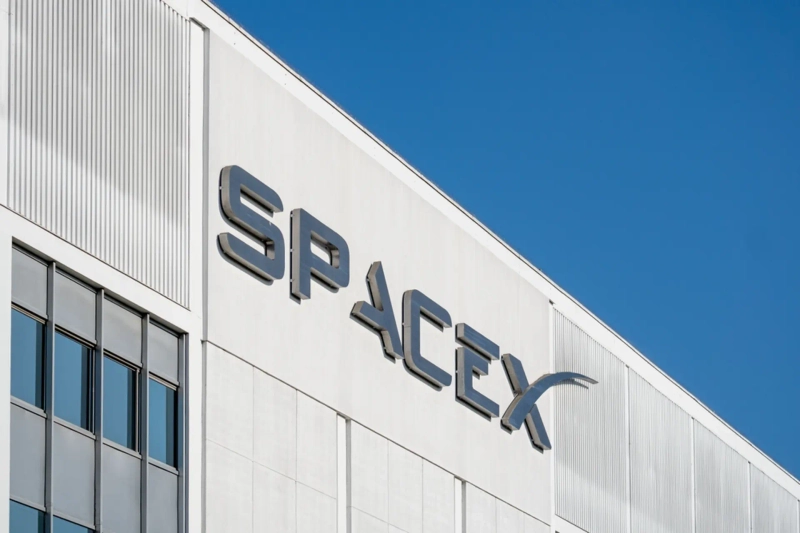
SpaceX, Elon Musk’s space company, achieved key objectives in a test flight of the latest version of Starship, the largest rocket ever built, as it pursues an initial public offering targeted for next month. The flight also exposed some engine problems.
SpaceX’s livestream on May 22 showed the next-generation V3 model lifting off from Starbase, Texas, at about 5:30 p.m. after a full redesign following 11 earlier test flights. V3 Starship reached a suborbital trajectory, successfully deployed 22 mock satellites and transmitted live video throughout the mission from space.
After completing the mission, V3 reentered Earth’s atmosphere about an hour later and splashed down precisely at its target point in the Indian Ocean. The vehicle ended the flight after carrying out a planned maneuver to orient itself vertically. The successful mission partly supports the view that Starship is moving closer to commercialization.
Some problems were also identified. The first-stage Super Heavy booster separated successfully and descended toward the Gulf of Mexico within minutes of liftoff, but it failed to complete a controlled splashdown because too few booster engines reignited to keep the vehicle upright as it reached the water.
One of Starship’s six engines also failed to ignite, though SpaceX compensated by extending the burn time of the remaining engines. The test launch had originally been scheduled for May 21, but was delayed by a day because of a problem with the launch tower’s mechanical arms.
Choi Su-jin, Hankyung.com reporter, naive@hankyung.com

Korea Economic Daily
hankyung@bloomingbit.ioThe Korea Economic Daily Global is a digital media where latest news on Korean companies, industries, and financial markets.