US, Iran Reach Broad Understanding on Hormuz Reopening, Uranium Disposal
Summary
- The US and Iran have reportedly reached a broad understanding on reopening the Strait of Hormuz and disposing of Iran’s highly enriched uranium.
- Easing sanctions on Iran and unfreezing Iranian assets would be possible only if the Strait of Hormuz is reopened and the nuclear agreement is implemented.
- If negotiations fail to produce the desired outcome, attacks on Iran could resume, and President Trump said he had instructed the US delegation not to rush into a deal.
Forecast Trend Report by Period


The US and Iran have reached a broad understanding to reopen the Strait of Hormuz and dispose of Iran’s stockpile of highly enriched uranium, according to reports. Key issues, including how any nuclear dismantlement would be carried out and whether uranium enrichment would stop, are set to be addressed in follow-up talks.
On May 24, a US administration official told The New York Times and CNN that no formal agreement had been signed and that a signing later that day was unlikely.
Any final deal would require approval from President Donald Trump and Iran’s supreme leader, Ayatollah Mojtaba Khamenei, a process the official said could take several days.
The official added that Mojtaba had agreed to the plan in principle, but the US believes no detailed document for him to sign has yet been prepared.
The New York Times said it was the first time a US official had publicly discussed details of the understanding between the two sides.
Based on the official’s account, the two countries have found common ground on reopening the Strait of Hormuz, including lifting the US maritime blockade on Iran. By contrast, issues including an end to Iran’s uranium enrichment, how to handle its highly enriched uranium and the size of its missile stockpile stand to be pushed into future negotiations.
CNN reported that any easing of sanctions on Iran and any release of frozen Iranian assets would be possible only if the Strait of Hormuz is reopened and the nuclear agreement is implemented.
Secretary of State Marco Rubio, who is visiting India, said in an interview that the Strait of Hormuz should be reopened first and the nuclear issue could be negotiated afterward.
“You cannot solve the nuclear issue in 72 hours by scribbling on the back of a napkin,” Rubio said. “Once the Strait of Hormuz is reopened immediately, we will enter serious negotiations on uranium enrichment, highly enriched uranium and a pledge not to possess nuclear weapons.”
Rubio also said attacks on Iran could resume if talks fail to produce the result Washington wants within two months. “The negotiations have to produce the outcome we want,” he said. “If not, President Trump will have every option he has now.”
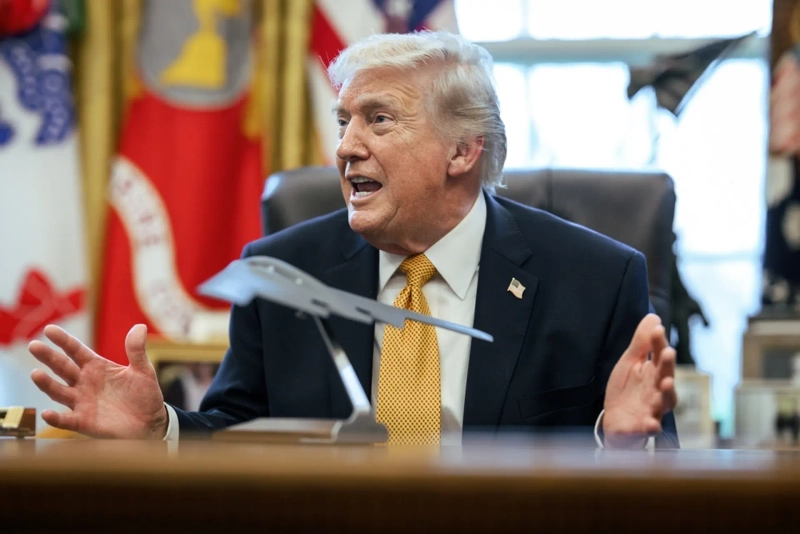
Trump said on Truth Social that negotiations with Iran were proceeding constructively and that he had instructed the US delegation not to rush into an agreement.
The remarks appeared aimed at addressing concerns among hardline Republicans that the administration could wrap up negotiations too quickly without a concrete agreement on dismantling Iran’s nuclear program.
Axios previously reported that it had obtained a draft memorandum of understanding under discussion by the two countries. The document called for reopening the Strait of Hormuz while making a 60-day effort to block nuclear development a central item in the negotiations.
Shin Yong-hyun, Hankyung.com reporter yonghyun@hankyung.com

Korea Economic Daily
hankyung@bloomingbit.ioThe Korea Economic Daily Global is a digital media where latest news on Korean companies, industries, and financial markets.