LS Securities Sees Kospi at 8,000-10,000 Within a Year, Cites Oil, Rates and IPOs as Risks
Summary
- LS Securities said it expects the Kospi to reach 8,000-10,000 points within a year.
- It cited high oil prices, high interest rates and inflation, noise in the AI investment cycle, and large global IPOs as key variables.
- It also said global capital could concentrate in large IPOs, including a SpaceX listing, potentially absorbing liquidity from the stock market.
Forecast Trend Report by Period


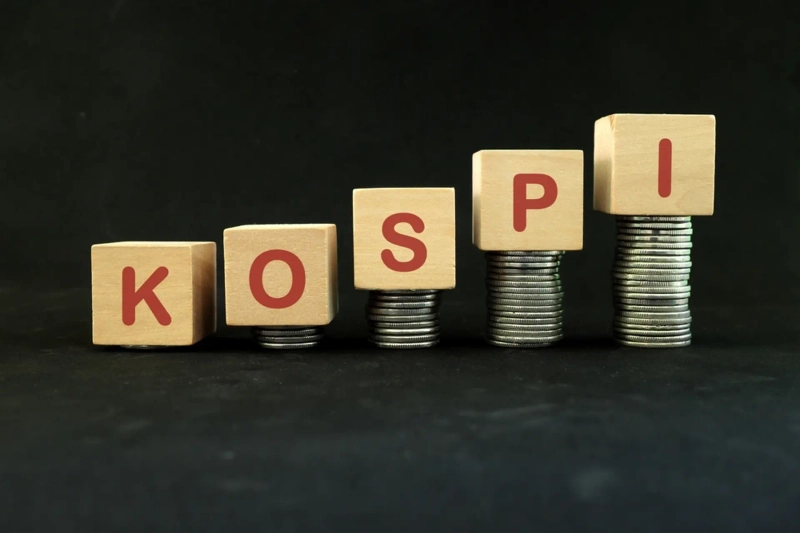
LS Securities said the Kospi could reach 10,000 within a year, citing a sustained artificial intelligence growth cycle and continued inflows from retail investors. The brokerage added that elevated oil prices and interest rates, along with a slate of large global initial public offerings, could make a sharp rally like the previous one harder to sustain.
In a report released May 26, LS Securities raised the upper end of its one-year target range for the Kospi to 8,000 to 10,000. It based the estimate on a comparison of the relationship between return on equity and price-to-book ratios across major global equity markets.
According to the brokerage, a Kospi level of 10,000 would correspond to a 12-month forward price-to-book ratio of 2.7 times. Consensus for the Korean stock market's 12-month forward return on equity is 27.9%, or 25.4% excluding the impact of duplicate listings. LS Securities said the index target was derived by applying a discount of about 57% to a fair 12-month forward PBR of 6.21 times for the domestic market.
The firm said volatility risks remain. It pointed to interest rates and inflation, the possibility of noise in the AI investment cycle, and IPOs by major global companies.
Jung Da-woon, an analyst at LS Securities, wrote that oil prices have climbed on geopolitical risks in the Middle East, while inflation concerns have also increased. Although the yield on the US 10-year Treasury has risen above 4.5%, bringing signs of what he called TACO, short for "Trump Always Chickens Out," there has not yet been clear progress. He added that upward inflation pressure remains even excluding geopolitical risks.
Jung also raised the possibility of noise in the AI investment cycle. With US midterm elections approaching in November, both Democrats and Republicans could bring up AI regulation in a bid to win votes. More fundamentally, hyperscalers are also financing data-center investment through debt, putting them within the scope of macroeconomic pressures.
He also said global capital could be concentrated in upcoming IPOs by major international companies. SpaceX is scheduled to list next month, he wrote. The company is targeting a valuation of more than $1.75 trillion, which would exceed Meta's market capitalization and could absorb liquidity in the stock market.
Ko Jung-sam, Hankyung.com reporter jsk@hankyung.com

Korea Economic Daily
hankyung@bloomingbit.ioThe Korea Economic Daily Global is a digital media where latest news on Korean companies, industries, and financial markets.