BOK CBDC Phase 2 Expands Deposit Token Pilot to Interest, Cash Receipts, CMS
Summary
- The second phase of the Bank of Korea’s Project Hangang has been expanded to test the real-world financial and commercial use of deposit tokens.
- The project will include practical functions such as automatic deposits and withdrawals, person-to-person transfers, cash receipts, CMS, interest payments and government fund program management.
- Financial industry officials view the second phase as a live-transaction validation stage for possible deposit token commercialization and a step closer to building production-grade infrastructure.
Forecast Trend Report by Period


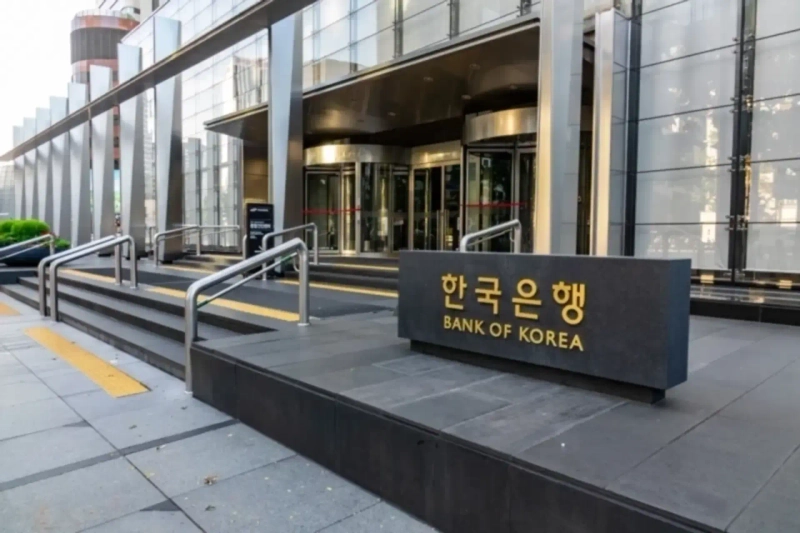
The Bank of Korea is expanding the next phase of its central bank digital currency project to test whether deposit tokens can be used in real-world financial and commercial transactions. The pilot will go beyond deposit token-based payments to include interest payment management, cash receipt issuance and recurring automatic payments.
Electronic Times reported on May 26 that the second phase of Project Hangang, the BOK’s CBDC pilot, has been updated to broaden real-use functions for deposit tokens. Broad outlines such as person-to-person transfers and government subsidy disbursements had already been disclosed, but this is the first time that detailed functions tied to day-to-day financial activity have been specified.
The second phase will include automatic deposits and withdrawals, person-to-person transfers, cash receipt issuance, recurring automatic payments through CMS, interest payments and management functions for government fund programs. User digital wallets are also slated to support cash receipts, CMS and interest payment-related functions, along with automatic deposits, withdrawals and transfers.
The interest payment function differs from a structure in which the CBDC itself bears interest. Instead, it is closer to managing interest payments within deposit token services issued and administered by banks. That is notable because it would extend deposit tokens beyond a simple payment method and connect them to existing deposit operations, core banking systems, and accounting and settlement frameworks.
Cash receipt and CMS functions are key to expanding the commercial utility of deposit tokens. For a payment method to be used in everyday transactions, it must support not only consumer payments but also merchant sales processing, tax documentation, recurring billing and settlement procedures. The project is focused on determining whether deposit tokens can serve as payment infrastructure in daily financial life.
The structure linking the pilot to a government fund disbursement program has also been detailed. In using deposit tokens for government subsidy programs such as electric-vehicle charging infrastructure projects, the BOK, participating banks, a relay server operated by the Korea Financial Telecommunications and Clearings Institute, merchant systems and dBrain, the public finance management platform run by the Korea Public Finance Information Service, will be connected.
The infrastructure will be built on Naver Cloud Platform. It will connect participating banks and institutional domains, gateway servers, relay servers, user wallet management systems and business systems. Bank mobile banking apps and core banking systems will also be linked with external institutional networks, including those of the BOK and the Korea Financial Telecommunications and Clearings Institute.
The operating framework is being designed more like a standing service than a short-term experiment. Development, verification, operations and disaster recovery environments will be separated, and key systems will be duplicated. The plan also calls for Naver Cloud Platform’s southern region to serve as the primary center and its Seoul metropolitan region as the disaster recovery center.
Financial industry officials view the second phase as a live-transaction test of whether deposit tokens can be commercialized. If the first phase focused on verifying the technical applicability of deposit tokens and digital vouchers, the second phase is closer to building production-grade infrastructure linked to mobile banking, core banking systems, fraud detection systems, anti-money laundering systems and government subsidy administrative networks.

Minseung Kang
minriver@bloomingbit.ioBlockchain journalist | Writer of Trade Now & Altcoin Now, must-read content for investors.