Trump Delays Iran War-End MOU Amid Domestic Backlash, Sanctions Concerns
Summary
- The US and Iran reached a tentative agreement on a war-end MOU, but Trump effectively rejected it after raising concerns over easing sanctions on Iran and the release of frozen Iranian assets.
- Trump has taken a cautious stance on sanctions relief for Iran as prolonged geopolitical instability pushes up oil prices and consumer inflation, while domestic hardliners and public opinion push back.
- The NYT reported that Trump sent Iran a revised document with significantly tougher terms for the tentative MOU, reflecting domestic opposition and economic sentiment while maintaining pressure on Tehran.
Forecast Trend Report by Period


Trump Puts Brakes on Iran War-End MOU
Concern Rises Over Easing Sanctions on Tehran
Domestic Hardliners Add to Pressure
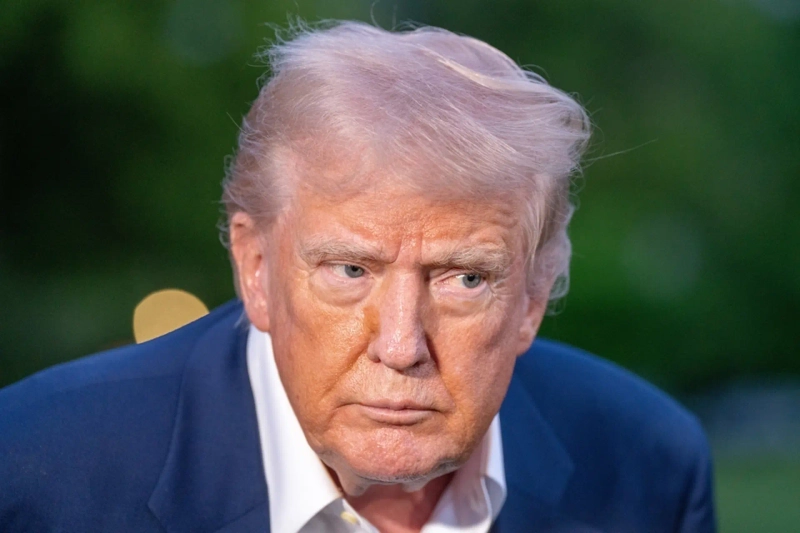
President Donald Trump is prolonging deliberations over whether to approve a draft memorandum of understanding aimed at ending the conflict between the US and Iran.
The New York Times and other media outlets reported on May 30 that US and Iranian officials had tentatively agreed to the war-ending MOU, leaving only final approval by both sides. Trump has effectively halted that process.
The draft MOU reportedly calls for a 60-day extension of the ceasefire between the US and Iran, the full reopening of the Strait of Hormuz and an agreement on Iran's denuclearization during the extended truce. US media also reported that Washington would ease sanctions on Iran in line with progress in nuclear talks and discuss releasing frozen Iranian assets.
Trump has voiced concern about the provisional deal because it includes the release of frozen Iranian funds. He has also expressed frustration that Tehran took too long to respond to the US proposal.
Trump appears to be weighing his public case for a diplomatic resolution with Iran against fierce political resistance at home and already weakened public sentiment. Hardliners in Washington, especially within the Republican Party, as well as the opposition, have attacked the proposal as a concessionary deal that would send money to what they call Iran's terrorist regime.
The political burden has intensified as prolonged geopolitical instability drives up oil prices and broader consumer costs. There is also mounting concern that offering Iran what could be seen as an early gift in the form of sanctions relief would become a major liability in the coming election as inflation pressures weigh on voters. That leaves Trump facing a dilemma: signing the deal would be difficult without clear proof that Iran had been decisively forced to yield.
The New York Times, citing three officials, reported on May 30 that Trump sharply strengthened the terms of the tentative MOU in response to domestic opposition and economic concerns, and sent a revised document back to Iran. The move suggests he is trying to maintain pressure on Tehran while containing political and economic risks.
Limited fighting between the US and Iran also continued. US forces fired a missile at a Gambian-flagged merchant vessel sailing toward an Iranian port, US Central Command said.
In a statement, Central Command said the vessel was seen transiting international waters in the Gulf of Oman en route to an Iranian port. The military said it notified the ship that it was violating the US maritime blockade and sent more than 20 warnings. The vessel was disabled by the missile and is no longer heading toward Iran, it added.
Park Shin-young, New York correspondent, Hankyung.com, nyusos@hankyung.com

Korea Economic Daily
hankyung@bloomingbit.ioThe Korea Economic Daily Global is a digital media where latest news on Korean companies, industries, and financial markets.