Trump Withholds Approval of Iran War-End MOU, Seeks More Terms
Summary
- President Donald Trump has decided not to approve a draft memorandum of understanding (MOU) aimed at ending the war between the US and Iran.
- Trump demanded additional terms to the existing MOU, which included discussions on easing US sanctions on Iran and releasing Iran's frozen assets.
- US political circles, especially hard-line Republicans, criticized the release of frozen funds as effectively sending money to "Iran's terrorist regime" and called it a concessionary deal.
Forecast Trend Report by Period


Discontent Over Releasing Frozen Iranian Assets
Some See Move as Pressure on Mojtaba to Approve
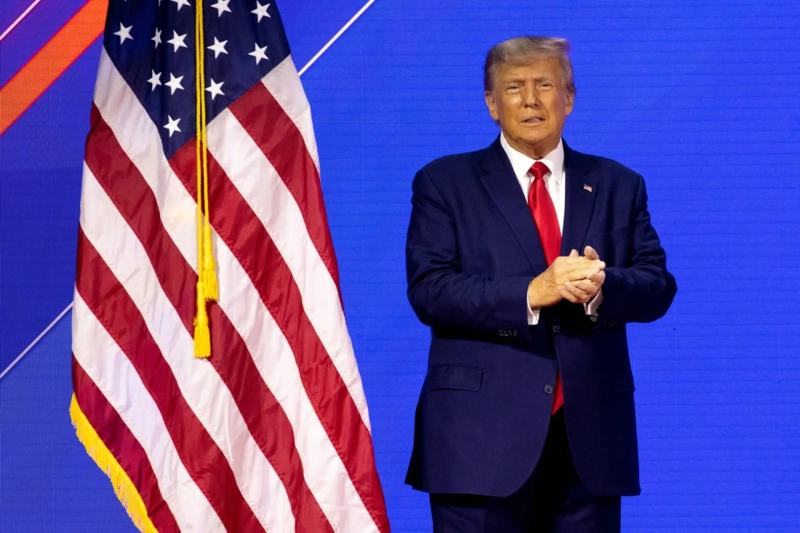
President Donald Trump has decided not to approve a draft memorandum of understanding, or MOU, aimed at ending the conflict between the US and Iran. The New York Times and other media reported on May 30 that Trump demanded additional terms and that Washington sent Iran a revised document reflecting those changes.
Trump discussed whether to approve the draft at a White House Situation Room meeting on May 29, but the session ended without an announcement. The draft MOU reportedly called for extending the US-Iran ceasefire by 60 days, fully reopening the Strait of Hormuz and reaching an agreement on Iran's denuclearization during the extended truce. US media also reported that Washington would ease sanctions on Iran in line with progress in nuclear talks and discuss releasing Iran's frozen assets.
The additional terms sent to Iran have not been disclosed. But people in and around the White House have said Trump objected to any move to unfreeze Iranian funds. The proposal drew criticism in Washington, especially from hard-line Republicans, who said it would amount to funneling money to what they called Iran's terrorist regime and denounced the deal as a concession. Trump has long criticized the Iran nuclear accord reached under former President Barack Obama. He withdrew from the agreement in 2018, arguing that the US had made too many concessions in exchange for sanctions relief.
Some in Washington view the move as an attempt to pressure Iran's supreme leader, Mojtaba Khamenei, over approval of the existing MOU. US and Iranian officials had reached a tentative agreement on the document, but both Trump and Mojtaba were delaying final signoff. Trump has also expressed frustration that Iran was taking too long to give final approval.
Limited fighting between the US and Iran is continuing. US forces fired a missile at a Gambia-flagged cargo ship that had been sailing toward an Iranian port, leaving it unable to continue, US Central Command said.
In a statement, Central Command said the vessel was seen transiting international waters in the Gulf of Oman toward an Iranian port. The ship was notified that it was violating a US maritime blockade and received more than 20 warnings, the statement said. The military said the missile strike disabled the vessel and that it is no longer heading toward Iran.
Park Shin-young, New York correspondent, Hankyung.com, nyusos@hankyung.com

Korea Economic Daily
hankyung@bloomingbit.ioThe Korea Economic Daily Global is a digital media where latest news on Korean companies, industries, and financial markets.