US Moves to Block Chinese Offshore Units From Buying Nvidia Blackwell Chips
Summary
- The US Commerce Department said it would expand advanced AI chip licensing rules to cover Chinese companies’ overseas subsidiaries, blocking efforts to obtain Nvidia Blackwell chips through offshore routes.
- A US industry official said the number of advanced AI chips that may have reached Chinese companies through the regulatory loophole could total hundreds of thousands.
- China’s own regulations have also restricted purchases of H200 chips, further narrowing Chinese companies’ access to the latest US-made chips.
Forecast Trend Report by Period


Chinese overseas subsidiaries added to curbs
Rule targets access to Nvidia Blackwell
Malaysia and other third-country routes in focus
H200 also constrained by China’s own controls
The US is moving to stop Chinese companies from using overseas subsidiaries to obtain advanced AI chips. The change expands licensing rules to cover entities outside mainland China after concerns that cutting-edge chips such as Nvidia’s Blackwell could still reach Chinese buyers through third-country units in places including Malaysia.
US Targets Loophole Through Chinese Overseas Subsidiaries
The Commerce Department said on its website on May 31 that it would expand advanced AI chip licensing rules to companies outside China, Reuters reported. The move is intended to stop the latest AI chips from US companies, including Nvidia’s Blackwell, from reaching Chinese firms through their overseas subsidiaries.
Exports of the most advanced US-made AI chips, including Nvidia’s Blackwell, are already banned to China. But subsidiaries of Chinese companies in countries such as Malaysia had been able to exploit a regulatory gap to obtain those chips.
The latest step is meant to close that route. It brings not only mainland Chinese companies but also overseas subsidiaries established by Chinese firms under the licensing rules.
Reuters said the Commerce Department left a regulatory gap of about a year after saying it would not enforce AI rules announced in May last year near the end of Joe Biden’s administration.
The department’s weekend release of the guidance was also unusual, as such announcements are typically made on weekdays. It remains unclear how many advanced AI chips may have reached Chinese companies through the loophole. A US industry official said the number could total in the hundreds of thousands.
Chris McGuire, a former State Department official, criticized the loophole on social media, calling it a huge problem. He wrote that overseas subsidiaries of Chinese companies had been able to obtain Nvidia Blackwell chips without approval and probably purchased them in large volumes.
H200 Also Hard for China to Buy
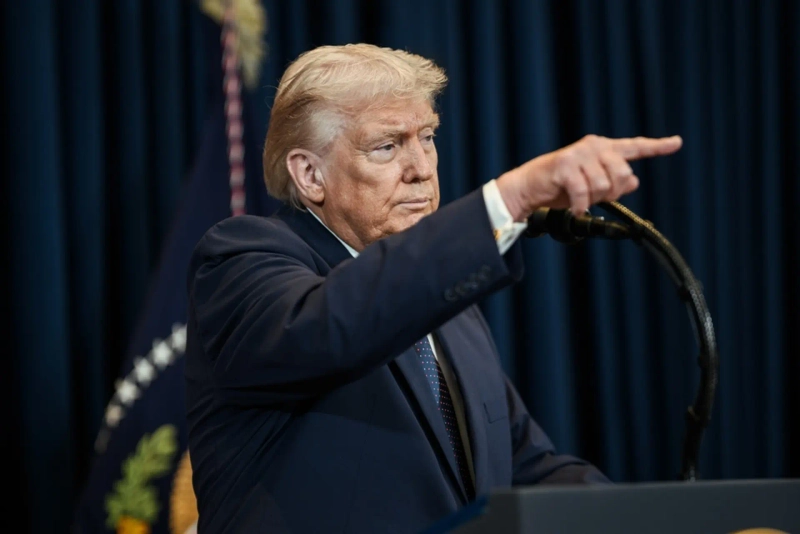
US President Donald Trump in December last year allowed limited exports of Nvidia’s advanced chips to China. But the products covered were H200 chips, which use an architecture one generation older than Blackwell.
Chinese companies are also finding it difficult to buy H200 chips because China’s own regulations restrict corporate purchases.
The US has tightened export controls over concerns that advanced AI chips could support China’s artificial intelligence development and military capabilities. The latest move further narrows a route Chinese companies had used to obtain the newest US-made chips through offshore entities.
Hong Min-seong, Hankyung.com reporter mshong@hankyung.com

Korea Economic Daily
hankyung@bloomingbit.ioThe Korea Economic Daily Global is a digital media where latest news on Korean companies, industries, and financial markets.