US, Iran Trade Strikes as Gulf Airspace Shuts Again
Forecast Trend Report by Period


US disables tanker bound for Iran under Hormuz blockade
Iran says it fired missiles at US bases
Flights suspended across parts of the Gulf, including Kuwait
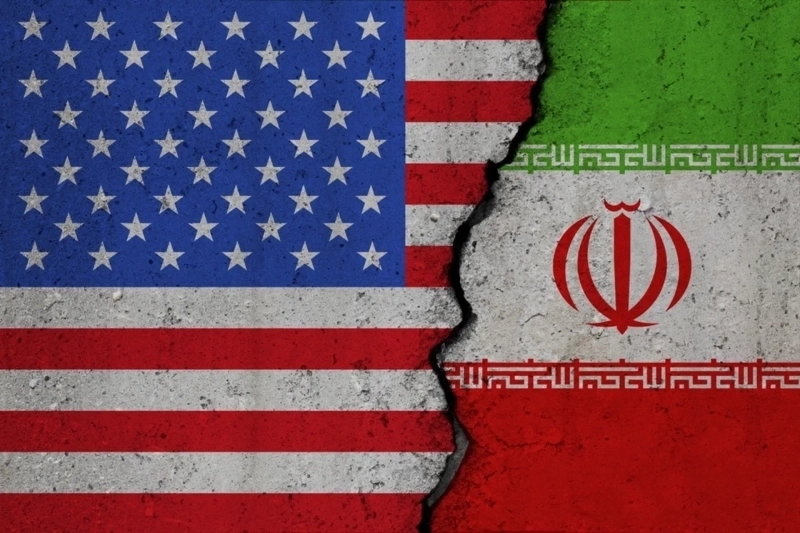
The US and Iran traded heavy strikes from the night of June 2 into the early hours of June 3. US forces attacked and disabled a vessel headed for Iran that had tried to break through a blockade, and Iran retaliated with missiles and drones targeting US military bases in the region. It was the most intense clash since a ceasefire was declared in April.
The latest fighting began with a US strike on a tanker tied to the blockade. US Central Command said late on June 2 that it had attacked and disabled an empty Botswana-flagged tanker moving toward Iran's Kharg Island. The vessel had ignored repeated US instructions over a 24-hour period. US aircraft then fired a missile into the ship's engine room, disabling it and preventing it from reaching Iran. Central Command said the operation was part of the blockade imposed on Iran on April 13. During that period, US forces disabled six commercial vessels and diverted 122 others.
Iran then responded. The Islamic Revolutionary Guard Corps said it fired missiles at the US tanker Panaya and at US and Israeli naval vessels. After US forces struck an IRGC communications tower south of Qeshm Island, Iran launched ballistic missiles and drones at US bases in Kuwait and Bahrain. The IRGC said any threat to security in the Strait of Hormuz would carry a heavy cost.
The US said there was no damage to its forces. Central Command said air defenses shot down multiple drones and that no US personnel or assets were hit. Kuwait's military, however, said a terminal at Kuwait International Airport was struck, causing significant property damage, killing one person and injuring several others. As the missile exchanges continued, Kuwait and Bahrain temporarily closed their airspace. Some flights were also suspended in the United Arab Emirates and Saudi Arabia.
The governments of Israel and Lebanon have continued talks in Washington for a second day under Secretary of State Marco Rubio. Israel has halted plans to attack Beirut and nearby areas, but clashes with Hezbollah continue in southern Lebanon.
Lee Sang-eun, Washington correspondent, Hankyung.com, selee@hankyung.com

Korea Economic Daily
hankyung@bloomingbit.ioThe Korea Economic Daily Global is a digital media where latest news on Korean companies, industries, and financial markets.