Xi to Visit North Korea for First Time in 7 Years as Tumen River, Rason Projects Recast China-North Korea-Russia Dynamics
Summary
- Xi’s state visit to North Korea is set to bring discussions on the strategic restoration of China-North Korea ties and expanded trade.
- The two leaders are expected to focus on practical economic cooperation, including use of the lower Tumen River waterway, greater use of Rason port, border-area development cooperation and logistics infrastructure construction.
- China is seeking to reinforce the perception that it holds the final say over the trilateral alignment among North Korea, China and Russia, while contributing to regional and global peace and stability, development and prosperity.
Forecast Trend Report by Period


China Scrambles to Reassert Influence as North Korea-Russia Ties Deepen
Beijing to Emphasize Anti-Western Alignment While Staying Ambiguous on North Korea’s Nuclear Program
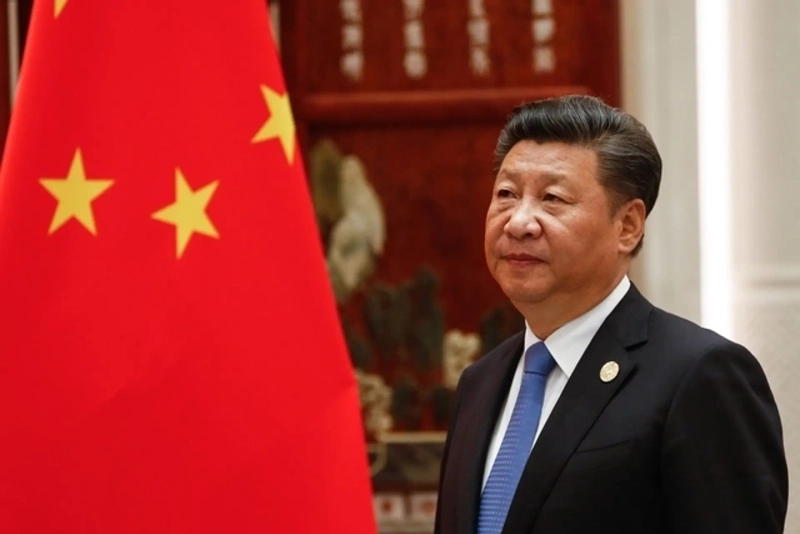
Chinese President Xi Jinping will pay a state visit to North Korea on June 8-9. Xi will meet North Korean leader Kim Jong Un in Pyongyang for the first time in seven years, with the two sides set to discuss tightening anti-Western coordination, expanding trade and stepping up development cooperation in border regions.
The two leaders may also exchange views on North Korea’s nuclear program and the situation on the Korean Peninsula. Beijing is expected to keep its position strategically ambiguous.
China’s Foreign Ministry said on June 7, according to Xinhua News Agency and other outlets, that Xi and Kim would “exchange views on bilateral relations and issues of common interest” at their summit. It added that the visit would make a greater contribution to “regional and global peace and stability, development and prosperity.”
Wang Yajun, China’s ambassador to North Korea, wrote in the People’s Daily a day earlier that the trip would be Xi’s first overseas visit of the year. He said the two leaders would hold an important meeting of historic significance, map out the next phase of China-North Korea ties and open a new chapter in the relationship.
Diplomatic circles in Beijing see the summit as a chance to reaffirm traditional ties while focusing on economic cooperation as well as diplomatic and security issues. China and North Korea are both confronting a rapidly shifting global security environment shaped by strategic competition with the US and closer ties between Pyongyang and Moscow.
This year marks the 65th anniversary of the China-North Korea friendship treaty. Many in Beijing view the summit as a chance to signal a strategic restoration of bilateral ties and demonstrate their will to reshape the international order around China, North Korea and Russia in opposition to the US. A joint statement or public remarks may also include references to building a multipolar world order, opposing unilateralism and defending national sovereignty.
Xi and Kim may also discuss North Korea’s nuclear program and broader developments on the Korean Peninsula. Some analysts believe Kim will explain his theory of two hostile Korean states to Xi and argue for the legitimacy of an expanded nuclear arsenal.
China, however, is unlikely to spell out a clear position given the risks of doing so. Beijing appears set to preserve its influence on the peninsula while avoiding any direct mention of denuclearization.
The summit is also poised to focus on expanding bilateral trade and development cooperation in border areas. Both leaders place priority on economic growth and regional development, leaving ample room for discussion of practical cooperation.
China wants a stable maritime route linking Hunchun in Jilin province to the East Sea. North Korea, meanwhile, has been pushing to develop the Rason Special Economic Zone and expand logistics infrastructure.
Experts say the agenda could include use of the lower Tumen River waterway, greater use of Rason port, border-area development cooperation and logistics infrastructure construction. An expansion of Chinese tourism to North Korea and the long-completed but unused New Yalu River Bridge may also come up in the talks.
One diplomatic source said the summit was arranged on short notice as North Korea shifts its strategic weight toward Russia despite China remaining its biggest economic patron, and ahead of Xi’s expected visit to the US in the second half of 2026. China wants to tighten control over a relationship that has loosened and make clear at home and abroad that it still holds the final say over the trilateral alignment among North Korea, China and Russia.
Kim Eun-jung, Beijing correspondent, Korea Economic Daily, kej@hankyung.com

Korea Economic Daily
hankyung@bloomingbit.ioThe Korea Economic Daily Global is a digital media where latest news on Korean companies, industries, and financial markets.