Trump Says Iran Missile Attack Hurts Talks, Deal Possible by June 10
Summary
- President Donald Trump urged Iran to halt its missile attacks and return to the negotiating table, saying the latest strike does not help talks.
- Trump said US-Iran negotiations are progressing toward a possible agreement between June 8 and June 10 and that the sides are very close to a final deal.
- Trump called on Israel to refrain from retaliation, saying that if both sides show restraint, negotiations can stay on track and the odds of a deal will improve.
Forecast Trend Report by Period


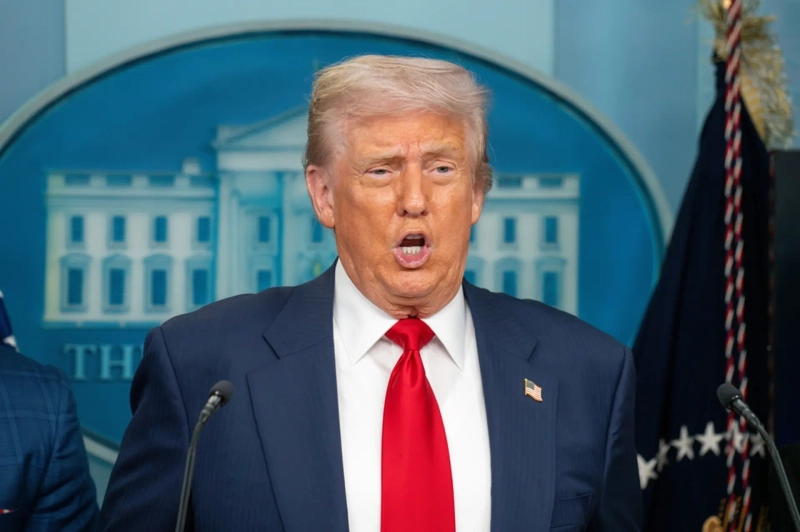
President Donald Trump on June 7 urged Iran to stop its missile attacks, return to the negotiating table and reach a deal. He also pressed Israel to refrain from retaliation. The remarks came after Iran launched about 10 ballistic missiles at northern Israel earlier in the day, renewing tensions in the Middle East.
In a phone interview with Fox News, Trump said his message to Iran was that it had already fired missiles and should now stop and return to the table for an agreement. The latest attack does nothing to help negotiations, he said.
Fox News reported that Trump said US-Iran talks are progressing in a way that could yield an agreement between June 8 and June 10.
In a separate call with Axios, Trump said no one was injured in Iran's attack and that he does not want Israel to retaliate. An Axios reporter later posted the account on X, saying he had spoken with Trump.
If Prime Minister Benjamin Netanyahu chooses to retaliate, the conflict will simply continue, as it has for the past 47 years or even 3,000 years, Trump said. He added that the US is very close to a final agreement with Iran and that it would be a good deal. Trump also said he does not want the current situation to derail the negotiations.
He said he would call Netanyahu immediately and tell him not to retaliate. Israel has attacked and Iran has attacked, Trump said, adding that no further strikes are needed.
Axios later reported, citing a US official, that the two leaders did in fact speak by phone. Details of the call were not disclosed.
Iran's latest missile launch was the first since a US-Iran ceasefire took effect on April 8. It was widely seen as retaliation for an Israeli airstrike on Hezbollah positions in southern Beirut, the Lebanese capital. The Israeli military ordered schools across the north to close immediately after the missiles were launched.
Trump also said Israel's strike in Lebanon had not been coordinated and that he was unhappy about it.
If Trump's calls for restraint are accepted by both sides, negotiations could remain on track and the chances of a deal would increase. If Israel moves ahead with retaliation, however, the ceasefire could collapse and a full-scale war could resume, leaving the Middle East at another turning point.
Shin Yong-hyun, Hankyung.com reporter yonghyun@hankyung.com

Korea Economic Daily
hankyung@bloomingbit.ioThe Korea Economic Daily Global is a digital media where latest news on Korean companies, industries, and financial markets.