PiCK
SEC Proposes Scrapping 20-Year Equity-Market Rules, Opening Door to Tokenized Stocks
Summary
- The SEC has proposed repealing Regulation NMS Rules 611 and 610(e), raising expectations that structural barriers to tokenized stocks will be eased.
- The crypto industry says the proposal could amount to one of the biggest-ever regulatory rollbacks for tokenized stock trading in DeFi.
- The proposal is set to be fully adopted in 2027, and market participants see strong odds the rollback will go through, with final approval possible as early as the first quarter of 2027.
Forecast Trend Report by Period


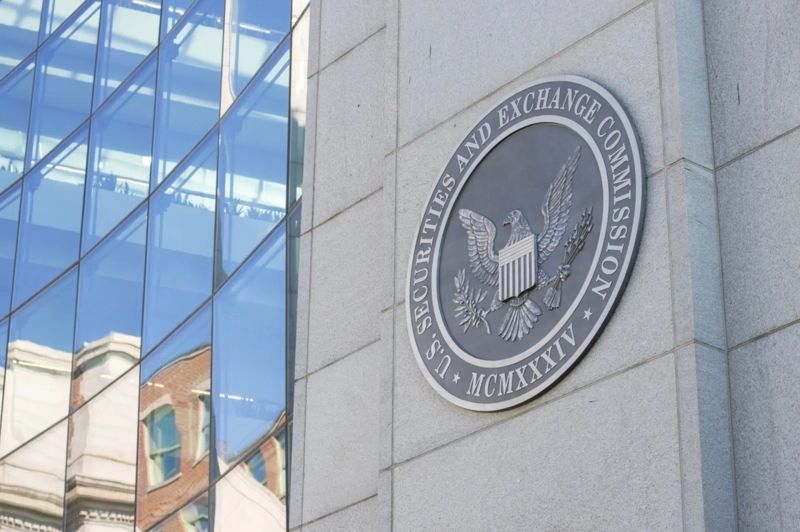
The U.S. Securities and Exchange Commission is moving to sharply loosen Regulation NMS, the core framework that has governed the U.S. stock market for the past two decades. The plan is designed to simplify market structure and reduce costs for participants. It is also raising expectations that structural barriers to blockchain-based trading of tokenized stocks could fall.
On June 11, the SEC formally proposed amendments to repeal Rule 611 and Rule 610(e) of Regulation NMS. At the center of the proposal is the elimination of the trade-through rule under Rule 611 for National Market System stocks, along with the repeal of Rule 610(e), which limits locked and crossed quotations in certain shares.
"Twenty years after the adoption of Rule 611, it is time to revisit the unintended consequences of a regulation that may have impeded, rather than promoted, the long-term growth of our markets," SEC Chairman Paul Atkins said. He added that the agency would move carefully to avoid repeating past mistakes while allowing market forces such as competition and innovation to shape the evolution of equity markets.
The crypto industry views the proposal as a potential turning point for tokenized stock trading in decentralized finance, or DeFi. Alex Thorn, head of research at Galaxy Digital, wrote on X that the proposal amounts to one of the biggest regulatory rollbacks ever for the tokenized equity ecosystem.
Rule 611 has long constrained on-chain trading in tokenized stocks because it prohibits trades at prices worse than protected quotations on other exchanges. Automated market makers, or AMMs, cannot comply with Rule 611 by design, Thorn wrote. AMMs execute trades along a bonding curve that involves slippage, and they cannot simply stop a swap because Nasdaq is showing a better quote.
If those provisions are repealed, the SEC would instead rely on the best-execution obligation under FINRA Rule 5310, referring to the Financial Industry Regulatory Authority. Thorn said that framework can accommodate AMM structures without major difficulty. In his view, the SEC has begun using a "crypto project" playbook that removes the toughest market-structure obstacle first and then addresses exchange-registration issues through innovation exemptions.
The proposal is set to be fully adopted in 2027. Jaret Seiberg, a managing director at TD Cowen Washington Research Group, said the odds of adoption are high because eliminating the rules has long been a priority for Atkins. Final approval could come as early as the first quarter of 2027, he added.

Doohyun Hwang
cow5361@bloomingbit.ioKEEP CALM AND HODL🍀