BOK’s Shin Signals Third Rate-Hike Warning, Market Prices in Two Increases This Year
Summary
- BOK Governor Shin Hyun-song said rates need to be raised without delay, effectively formalizing the prospect of a July benchmark rate increase.
- Markets see the Bank of Korea delivering two rate increases this year, citing solid growth and financial stability concerns tied to inflation, housing and the exchange rate.
- Lower oil prices on expectations the Middle East war could end pushed government bond yields down, and the three-year government bond yield could fall into the 3.7% range if ceasefire talks are concluded.
Forecast Trend Report by Period


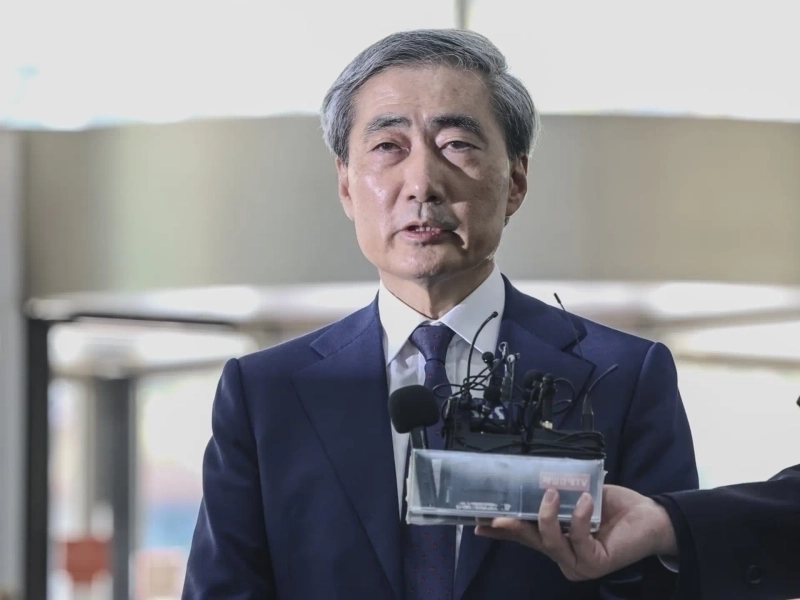
Bank of Korea Governor Shin Hyun-song said interest rates need to be raised without delay with a focus on price stability, effectively formalizing the case for a July increase in the benchmark rate. Since his first Monetary Policy Board meeting as governor on May 28, Shin has directly flagged the need for higher rates three times in roughly two weeks.
Speaking at a ceremony marking the BOK’s 76th anniversary at the bank’s annex building in Seoul on June 12, Shin said growth, inflation and financial stability are pointing monetary policy in a relatively clear direction.
Shin first directly raised the possibility of a rate increase at a press briefing after the May 28 policy meeting. He said the path was clear when judged by inflation, growth, the exchange rate and real estate, and that the benchmark rate would be raised to manage those factors consistently. At the BOK’s international conference on June 1, he said there were fewer obstacles to adjusting monetary policy to respond to inflation, leaving more room to operate policy effectively. In his June 12 anniversary speech, he said rates need to be raised in a timely manner, signaling not only the direction of policy but also the pace of tightening. Markets interpreted the remarks as a sign the BOK is set to raise the policy rate to 2.75% from 2.50% in July.
Shin’s repeated calls to move faster on rates appear to reflect simultaneous strength in growth and inflation. He said nominal growth recorded an unusual 10.5% expansion, helped by rising semiconductor prices. He added that the domestic economy is expected to maintain solid growth as the chip cycle remains strong and higher nominal GDP boosts tax revenue, income and investment, supporting a recovery in domestic demand.
He also voiced strong concern about inflation. Shin said price growth will remain above target for a considerable period as the effects of supply shocks widen and demand-side inflation pressure builds. He added that delays in normalizing energy supply chains, along with elevated household inflation expectations and the possibility of corporate price increases, could add further upward pressure.
Shin also pointed to financial stability risks. He said home purchase prices and jeonse rents in the Seoul metropolitan area continue to rise sharply, while expectations for further gains have picked up again. Debt-fueled investing in stocks has also increased significantly during the sharp run-up in share prices, he said.
The exchange rate’s steep rise is another concern. Since May 15, the won has closed above 1,500 per dollar for 19 straight trading sessions. Still, after ceasefire negotiations in the Middle East made major progress overnight, Shin said volatility in the foreign-exchange market is likely to ease. He added that markets see the country’s large current-account surplus as a factor that will gradually stabilize the exchange rate by increasing demand for the won through corporate tax payments and expanded domestic investment.
That would confirm once again that the exchange rate is driven not only by market momentum but also by underlying value, he said.
Shin pushed back against criticism that monetary tightening could hurt lower-income households by increasing debt-servicing burdens. He said inflation weighs more heavily on lower-income groups, making preemptive efforts to stabilize prices the best way to prevent their burden from worsening. While acknowledging that rate increases inevitably raise debt-repayment costs for companies and households, he said targeted support would be more effective if delivered through fiscal policy.
Markets expect the BOK to raise rates twice this year even if negotiations to end the Middle East war are concluded soon. Lim Jae-gyun, head of bond credit at KB Securities, said two increases are effectively a done deal as the likelihood of an upward revision to economic growth has risen. If the Strait of Hormuz blockade is lifted and oil prices fall, however, concerns about additional hikes next year could ease, he said. Gong Dong-rak, head of long-term strategy research at Daishin Securities, said the BOK is also likely to deliver two increases this year even if the war ends, citing sticky inflation, solid economic growth, and financial stability concerns tied to property prices and the exchange rate.
Despite Shin’s third signal of a rate increase, South Korean government bond yields fell. In Seoul trading on June 12, the three-year government bond yield fell 5.5 basis points from the previous session to 3.808%. The decline came as expectations for an end to the Middle East war intensified and oil prices dropped sharply. Lim said the three-year government bond yield could fall into the 3.7% range if ceasefire talks are concluded.
Shim Seong-mi, Korea Economic Daily reporter smshim@hankyung.com

Korea Economic Daily
hankyung@bloomingbit.ioThe Korea Economic Daily Global is a digital media where latest news on Korean companies, industries, and financial markets.