Makeshift Peace Ends U.S.-Iran War After 106 Days; Strait of Hormuz to Reopen
Summary
- The U.S. and Iran agreed to a peace accord and signaled the reopening of the Strait of Hormuz, sending international oil prices sharply lower.
- The two sides said key issues in the additional 60 days of talks will include Iran’s nuclear program, economic sanctions on Iran, and the opening of the Strait of Hormuz.
- Whether to release Iran’s $24 billion in frozen overseas assets will be a central issue in the negotiations, with phased compensation tied to implementation progress.
Forecast Trend Report by Period


U.S., Iran to Sign Peace Accord on June 19
Trump Says Strait of Hormuz to Reopen Immediately
Iran Nuclear Dismantlement Left to 60 More Days of Talks
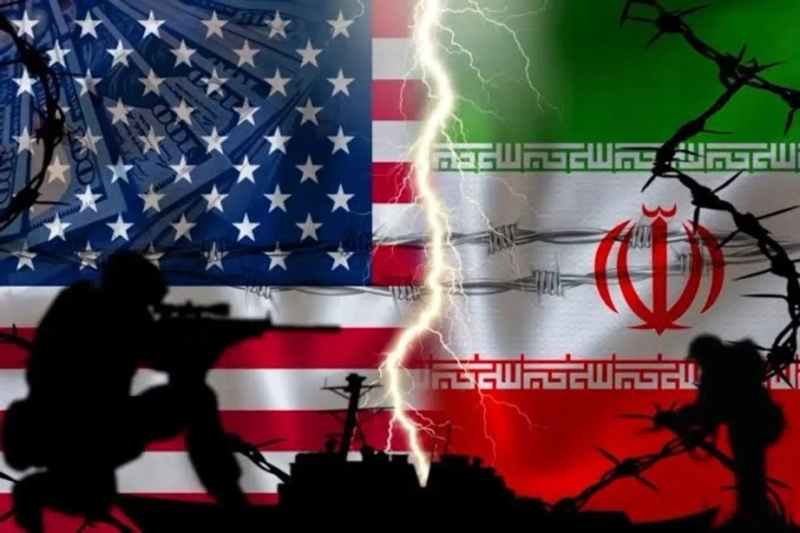
The U.S. and Iran have agreed to a peace accord, ending the war 106 days after the U.S. and Israel bombed Iran on Feb. 28. The Strait of Hormuz, a critical artery for global oil shipments, is set to reopen soon.
President Donald Trump wrote on social media on June 14 that negotiations with Iran had been completed and that he had authorized the immediate lifting of the U.S. naval blockade and the reopening of the Strait of Hormuz. He added that oil shipments to the Middle East and the rest of the world would normalize once mine-clearing operations begin alongside the signing of the agreement. Iran’s Supreme National Security Council also issued a statement the same day announcing that a memorandum of understanding had been reached.
The two sides are scheduled to hold a formal signing ceremony in Switzerland on June 19 to confirm the accord. After signing the MOU, they will spend 60 days negotiating details of dismantling Iran’s nuclear program and lifting economic sanctions, including the release of frozen assets. Iranian state media had previously reported that a draft peace accord included a clause to reopen the Strait of Hormuz within 30 days of the MOU.
Markets expect the agreement to ease global supply-chain concerns and help normalize surging energy prices. Brent crude futures for August settlement fell 3.3% on ICE Futures Europe in London on June 14, while West Texas Intermediate dropped 4.4%, sending international oil prices sharply lower.
Although additional negotiations remain, the agreement has strengthened the view that the U.S.-Iran war is effectively over. Neither Trump, who faces midterm elections in November, nor Iran, which suffered heavy damage during the war, appears willing to resume hostilities.
60 Days of Follow-Up Talks Become Main Test as U.S., Iran Tackle Nuclear Issue
U.S. Seeks Full Elimination of Nuclear Material; Iran Says Peaceful Program Is Non-Negotiable
The memorandum of understanding agreed by the U.S. and Iran on June 14 is limited in that it is not a final agreement on Iran’s nuclear issue. After formally signing the MOU on June 19, the two countries must use the next 60 days to reach a broader deal on Iran’s nuclear program and U.S. sanctions in order to bring the war to a complete close. The negotiations are set to be intense because the Trump administration cited the nuclear issue as the main reason for attacking Iran. Even so, both sides are expected to preserve the ceasefire framework.
Follow-Up Talks to Focus on Nuclear Issue and Other Terms
The main items for the 60-day talks are the nuclear issue, economic sanctions on Iran and the specific terms for reopening the Strait of Hormuz.
On the nuclear issue, the two sides agreed on the principle that Iran cannot possess nuclear weapons. They did not include a detailed plan for handling Iran’s nuclear program. The ban on nuclear weapons amounts to a pledge by Iran not to develop or acquire them in the future. That may be easier for Tehran to accept because it has long maintained that it has no intention of developing nuclear weapons.
How to handle the nuclear program is far more sensitive. The main issues include whether highly enriched uranium already held by Iran will be shipped abroad or destroyed, whether uranium enrichment facilities and centrifuges will be dismantled, and how international verification will be carried out. The key question is how far the U.S. can go in securing the destruction of materials and facilities that could be used to make nuclear weapons.
Iran maintains that keeping enriched uranium inside the country and preserving a peaceful nuclear program are matters of sovereignty it cannot surrender. Senior Iranian officials have repeatedly said the country’s nuclear program is entirely for peaceful purposes and that it has never sought nuclear weapons.
Will the Release of Frozen Assets Be the Incentive?
The main U.S. concession tied to dismantling Iran’s nuclear program would be the release of $24 billion in Iranian assets frozen overseas. For Iran, which has endured public unrest under economic sanctions, an immediate inflow of funds and relief from sanctions are the strongest justification for accepting a war-ending deal. Tehran also needs those funds to rebuild infrastructure destroyed in the war.
Semi-official news agency Mehr reported on June 12 that the provision was included in a 14-point draft MOU. Under that draft, Iran would receive half, or $12 billion, as soon as the MOU is signed, with the rest of the frozen assets to be released during the 60-day negotiation period.
A U.S. draft reviewed by Bloomberg, however, does not specify how much of Iran’s frozen overseas assets would be released. It also does not say when any asset release would begin.
U.S. Defense Secretary Pete Hegseth told CBS that any decision on releasing frozen assets would depend on Iran’s performance in implementing the agreement. No funds would be released until Iran fulfills its commitments. A senior U.S. official also told reporters that the deal is structured to reopen the Strait of Hormuz first and then move into negotiations over larger issues such as Iran’s nuclear program. Iran would receive compensation in stages depending on whether it meets U.S. demands, the official added.
Trump May Attend Signing After G7 Summit
Before the formal signing ceremony in Switzerland on June 19, the U.S. and Iran plan to hold a preparatory meeting in Doha, Qatar, to discuss outstanding issues. The focus will likely be on setting a schedule for detailed negotiations rather than fully resolving differences in advance.
Trump may attend the signing ceremony in person. Vice President JD Vance said in a phone interview with Fox News after the agreement was announced that he definitely plans to attend and that the president could also go himself. Trump is scheduled to attend the Group of Seven summit in France from June 15 to June 17, making a direct trip to Switzerland possible.
On the Iranian side, Parliament Speaker Mohammad Bagher Ghalibaf and Foreign Minister Abbas Araghchi, the lead figures in the war-ending talks, are set to travel to Geneva for the ceremony.
Park Shin-young, New York correspondent, Hankyung.com nyusos@hankyung.com

Korea Economic Daily
hankyung@bloomingbit.ioThe Korea Economic Daily Global is a digital media where latest news on Korean companies, industries, and financial markets.