PiCK
US-Iran’s 60-Day Follow-Up Talks to Decide Fate of Tehran’s Nuclear Program
Summary
- The US and Iran will hold follow-up talks for 60 days after signing the MOU on June 19 over Iran’s nuclear program, US economic sanctions on Iran and the reopening of the Strait of Hormuz.
- The US is seeking the elimination of materials and facilities that could be used to produce nuclear weapons, while Iran is insisting on retaining enriched uranium at home and maintaining a nuclear program for peaceful purposes.
- The US is considering the release of as much as $24 billion in frozen overseas assets on condition that Iran dismantles its nuclear program, with any asset release to take place in stages based on implementation results.
Forecast Trend Report by Period


MOU signing set for June 19 as war ends after 106 days
US seeks full disposal of nuclear materials
Iran says it cannot abandon peaceful nuclear activities
Sanctions relief and frozen assets also at issue
Trump may personally sign MOU
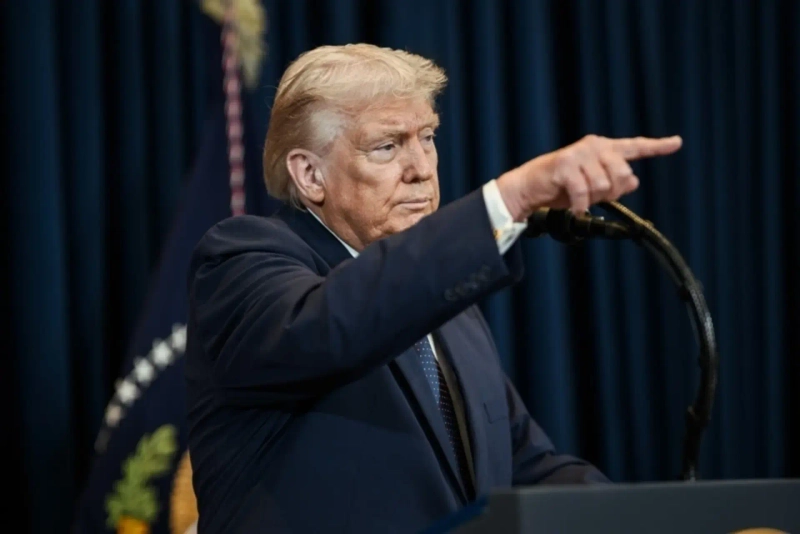
The memorandum of understanding agreed by the US and Iran on June 14 is limited in scope because it is not a final accord on Tehran’s nuclear program. The two countries are due to formally sign the MOU on June 19 and then spend 60 days negotiating a broader agreement on Iran’s nuclear program and US sanctions on Iran to fully end the war. The talks are set to be contentious, as President Donald Trump’s administration has cited the nuclear issue as the main reason for attacking Iran. Even so, neither side appears inclined to disturb the ceasefire framework.
Follow-up talks to focus on nuclear program and other issues
The main agenda for the 60-day talks includes the nuclear issue, US economic sanctions on Iran and the reopening of the Strait of Hormuz.
On the nuclear question, both sides agreed on the principle that Iran cannot possess nuclear weapons. They did not, however, include a plan for handling Iran’s nuclear program. The prohibition on nuclear weapons amounts to a pledge by Iran not to develop or acquire them in the future. Because Tehran has long maintained that it has no intention of developing nuclear weapons, that point is relatively easy for it to accept.
The handling of the nuclear program is far more sensitive. The issues include whether Iran will ship out or dispose of its stockpile of highly enriched uranium, whether uranium enrichment facilities and centrifuges will be dismantled, and how international verification will be conducted. The key question is how much the US can secure on its demand to eliminate materials and facilities that could be used to produce nuclear weapons.
Iran’s position is that retaining enriched uranium at home and maintaining a nuclear program for peaceful purposes are sovereign rights it cannot give up. Senior Iranian officials have repeatedly said the country’s nuclear program is entirely peaceful and that it has never pursued nuclear weapons.
Will frozen assets serve as an incentive?
In return for dismantling its nuclear program, the US could offer Iran the release of as much as $24 billion in frozen overseas assets. For Iran, which has faced public unrest under economic sanctions, an immediate inflow of funds and relief from sanctions would provide the strongest justification for accepting an end-of-war deal. Tehran also needs funding to rebuild infrastructure damaged in the war.
Mehr News Agency, a semiofficial Iranian outlet, reported on June 12 that the provision was included in a 14-point draft MOU. Under that draft, Iran would receive half, or $12 billion, as soon as the two countries sign the MOU, with the rest released during the 60-day negotiating period.
By contrast, a US draft reviewed by Bloomberg did not specify how much of Iran’s frozen overseas assets would be released. It also omitted any timeline for when the funds would be unfrozen.
Defense Secretary Pete Hegseth told CBS that any release of frozen assets would depend on Iran’s implementation of the agreement. No funds will be released until Tehran fulfills its commitments. A senior US official also told reporters that the framework calls for reopening the Strait of Hormuz first, followed by negotiations over bigger issues including Iran’s nuclear program. Iran would be compensated in stages based on whether it meets US demands, the official added.
Trump may attend signing ceremony after G7 summit
Before the formal signing ceremony in Switzerland on June 19, the US and Iran plan to hold a preparatory meeting in Doha, Qatar, to discuss a range of issues. The focus is more likely to be on setting a schedule for detailed follow-up talks than on resolving all areas of disagreement.
Trump may attend the signing ceremony himself. Vice President JD Vance said in a phone interview with Fox News after the agreement was announced that he definitely plans to attend and that the president could also appear in person. Trump is scheduled to attend the Group of Seven summit in France from June 15 to June 17, allowing him to travel directly to Switzerland afterward.
On the Iranian side, Parliament Speaker Mohammad Bagher Ghalibaf, the lead representative in the end-of-war negotiations, and Foreign Minister Abbas Araghchi are set to travel to Geneva for the ceremony.
Park Shin-young, New York correspondent, Hankyung.com nyusos@hankyung.com

Korea Economic Daily
hankyung@bloomingbit.ioThe Korea Economic Daily Global is a digital media where latest news on Korean companies, industries, and financial markets.