‘Drop the Poetic Language’: Wall Street Debates SpaceX Valuation After $2 Trillion IPO
Forecast Trend Report by Period


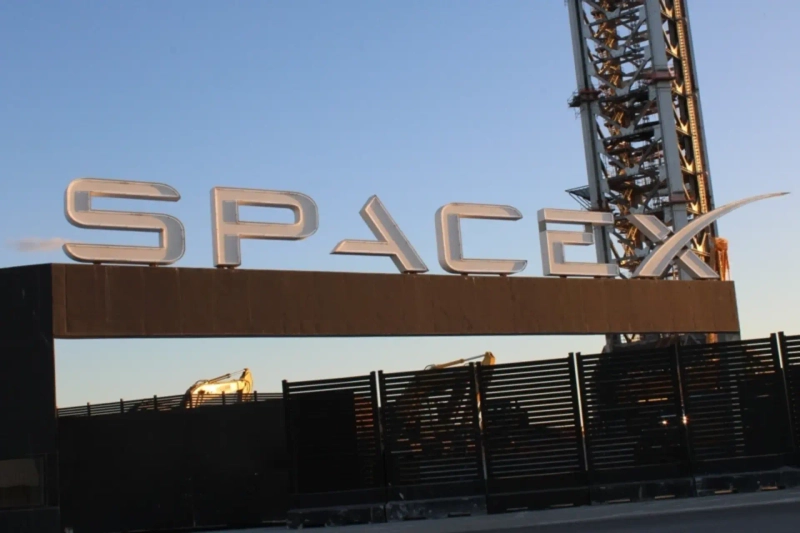
SpaceX followed last week’s record-setting US initial public offering with another sharp gain in premarket trading on June 15. The stock rose about 6% early in the session to trade near $170.
The move is fueling a debate on Wall Street over whether the company’s lofty valuation is justified, CNBC reported.
Shares surged 19% on their first trading day on June 13 to close at $161, lifting SpaceX’s market capitalization above $2 trillion.
The company operates the Starlink satellite internet service and a reusable rocket business. In February, Elon Musk merged SpaceX with his money-losing AI startup xAI. SpaceX posted a loss of nearly $5 billion in 2025. Even so, the stock climbed almost 20% on its IPO day, making it the sixth-most valuable company in the US stock market.
Among the 10 largest US-listed companies by market value, SpaceX is the only one posting a loss. Its revenue, at $18.67 billion, is also far below that of its peers. Revenue among the top 10 companies ranges from roughly $700 billion at Amazon and Walmart to $68.3 billion at Broadcom, the smallest in the group, with an average above $300 billion.
CFRA initiated coverage of SpaceX on June 13 with a sell rating and a 12-month price target of $115. That implies about 29% downside from Friday’s close. The firm cited “an overly ambitious growth strategy, substantial capital intensity and elevated valuation expectations.”
SpaceX’s capital expenditures for the quarter ended March 31 totaled $10.1 billion, up sharply from $4.1 billion a year earlier. Most of that spending went to AI.
Morningstar analyst Nicholas Owens valued SpaceX shares at $63 in a June 8 report, calling the stock overvalued.
Paulina Ruzkowska, a finance lecturer at Bayes Business School, told CNBC that SpaceX has “made a lot of promises,” but those promises must eventually translate into cash flow.
“Leaving aside promises of orbital data centers, if you are asking investors for $70 billion to $80 billion, you need to show more than poetic language,” she said.
Ruzkowska also said the IPO prospectus lacked detail on governance and execution risks. It was also unclear what the company’s future promises were based on, she added.
Still, many analysts are as optimistic as retail investors.
New Street Research initiated coverage of SpaceX with a $165 price target.
James Ratzer, the firm’s lead analyst, told CNBC that the current valuation can be justified if investors take a much longer view of the business — about 20 to 25 years.
He said SpaceX is at least a decade ahead of competitors in rocket launch capability. Starship, the company’s super heavy-lift launch vehicle, also offers a major advantage in the amount of mass it can carry into orbit.
Starship stands about 121 to 124 meters tall and measures 9 meters in diameter. It is designed to carry massive cargo loads and as many as 100 people. Orbital data centers refer to SpaceX’s plan to build space-based data centers for AI.
Ratzer said he expects SpaceX to retain about 90% to 95% of space launch capacity over the next five years.
Kim Jung-a, guest reporter, Hankyung.com, kja@hankyung.com

Korea Economic Daily
hankyung@bloomingbit.ioThe Korea Economic Daily Global is a digital media where latest news on Korean companies, industries, and financial markets.