South Korea Watchdog Warns DEX Traders on Social-Media Hype, Copycat Coins
Forecast Trend Report by Period


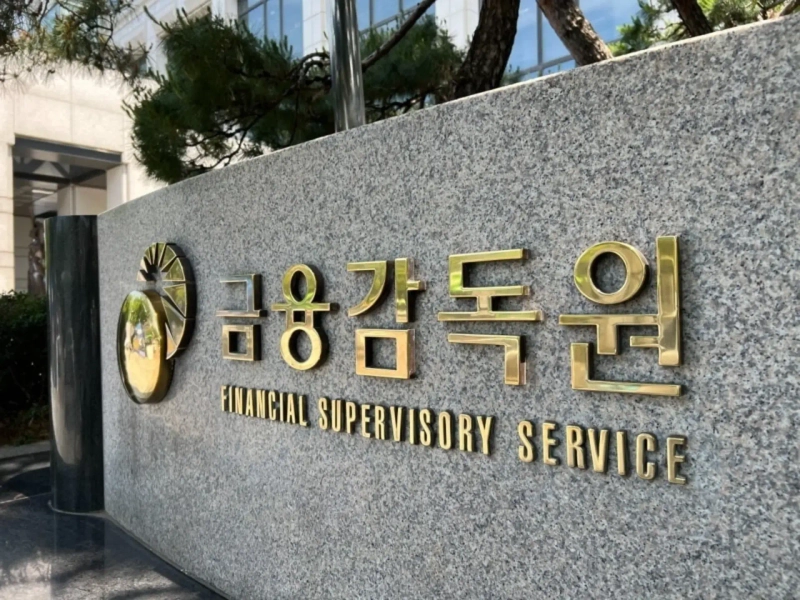
South Korea’s Financial Supervisory Service warned users to exercise caution when trading virtual assets on decentralized exchanges, saying DEXs make it easy for anyone to issue and trade coins and leave investors vulnerable to rug-pull scams, copycat tokens and sharp price swings caused by low liquidity.
The FSS on June 16 published guidance for virtual-asset trading on decentralized exchanges. The agency said it outlined the features of DEXs and precautions for users following a recent case of fraudulent trading on such platforms.
A DEX is a marketplace where users trade directly with one another without a centralized operator. Users can connect personal wallets and trade without signing up or completing identity verification, and transaction records are stored on the blockchain. But because there is no centralized listing review process, project information such as white papers and token distribution plans is often difficult to verify.
In a recent DEX market-manipulation case indicted by prosecutors, suspects issued about 1 billion meme coins and pre-bought more than 50% of the supply at low prices, according to the FSS. Investigators found they then spread false information on X, formerly Twitter, KakaoTalk open chat rooms and Threads to lure investors into buying.
The coin’s price jumped 1,001-fold within 26 hours of issuance. The suspects then sold their holdings, causing about 900 million won in losses, or roughly $651,000, for 256 investors.
The FSS said investors should not rely solely on virtual-asset promotions posted on social media. Rug-pull scams are especially common shortly after a token is listed on a DEX, often within two to three days, it said. Users should check a project’s official website and social-media accounts, the issuance date and the concentration of top holders.
The agency also cautioned against copycat coins. Searching by a coin’s name or ticker alone can produce multiple similar tokens. Investors should identify a token by the contract address posted on the project’s official website and other official channels.
Low liquidity was also cited as a key risk. On most DEXs, prices are determined by the ratio of two virtual assets in a liquidity pool. When liquidity is limited, even small trades can move prices sharply or be executed at less favorable prices than expected.
The FSS said users should set slippage tolerance appropriately before trading and check the size of the liquidity pool and whether the token is listed on other exchanges. It also noted that DEX trades are executed automatically through smart contracts, making mistaken transfers or erroneous transactions difficult to reverse.
The agency urged users to double-check contract addresses and trade sizes before placing orders and to review wallet approval permissions regularly. It also said using separate wallets for long-term holdings and short-term meme-coin trading can help manage risk.
The FSS said it plans to step up monitoring of the virtual-asset market, including by introducing an artificial intelligence-based system to detect and analyze suspicious trading, and will deal strictly with unfair trading practices.

Minseung Kang
minriver@bloomingbit.ioBlockchain journalist | Writer of Trade Now & Altcoin Now, must-read content for investors.