US, Iran Sign MOU to End Hostilities, but Key Talks Still Lie Ahead
Summary
- The US and Iran completed an electronic signing of a memorandum of understanding to end hostilities, but issues including Strait of Hormuz transit fees and the conditions for sanctions relief were left for follow-up negotiations.
- The MOU is a very rough document linking Iran's denuclearization steps with corresponding US actions, and detailed issues will be handled in future technical negotiations.
- The US said it could consider sanctions relief and some conciliatory measures depending on whether Iran takes steps such as removing enriched uranium or allowing a verification regime.
Forecast Trend Report by Period


Separate signing ceremony set for June 19 in Geneva
US says sanctions relief may be possible depending on Iran's steps
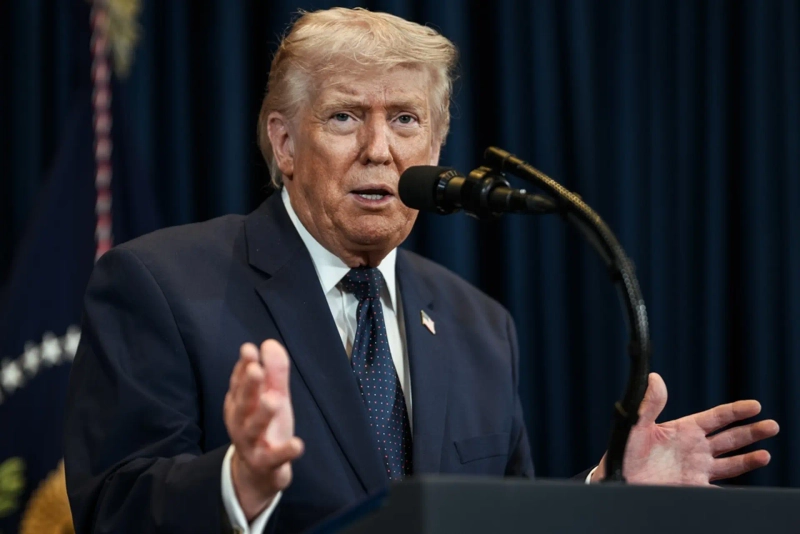
The US and Iran have electronically signed a memorandum of understanding to end hostilities, according to Vice President JD Vance's media interview and a briefing by senior US officials. Key issues, including transit fees in the Strait of Hormuz and the conditions for sanctions relief, were left for follow-up negotiations.
Vance and senior US officials said on June 15 that both sides completed the electronic signing on June 14, when they announced the MOU. President Donald Trump and Vance signed for the US, while Iranian Parliament Speaker Mohammad Bagher Ghalibaf, who had served as Tehran's chief negotiator with Washington, signed for Iran.
The two sides plan to hold a separate signing ceremony in Geneva on June 19. Vance and Ghalibaf are scheduled to attend.
The MOU appears to lay out a broad framework linking Iran's denuclearization steps with corresponding US actions. Vance told CNN the agreement was a "very rough document" of about a page and a half, with detailed issues to be addressed in later technical negotiations.
Questions have also persisted over why the agreement was not released immediately. A senior US official said the text would be made public within 24 to 48 hours, while Trump said it would be released after the June 19 signing ceremony.
The issue of Strait of Hormuz transit fees remains unresolved even after the MOU was signed. A senior US official said the document includes a provision keeping the strait open without transit charges for 60 days. Vance said he hopes it will remain open without fees over the longer term and indicated the matter would be taken up in future technical talks.
That differs somewhat from Trump's claim that passage through the Strait of Hormuz would be permanently exempt from charges. Iran is reported to be planning to collect fees after the 60-day negotiation period under the pretext of providing maritime services.
The two sides also left room for flexibility on sanctions relief. Vance said no money was paid in exchange for signing the MOU. He said sanctions relief could be considered if Iran takes steps such as removing enriched uranium or allowing a verification regime.
A senior US official said Washington and Tehran are still in the early stages of building trust. If Iran takes small steps showing a willingness to honor its commitments, the US could respond with initial conciliatory measures.
Israel's withdrawal from Lebanon was not included in the MOU, according to the report. The US plans to keep forces in the Middle East while conducting nuclear talks with Iran after the MOU and begin reducing troop levels once a final agreement is reached.
Hong Min-sung, Hankyung.com reporter, mshong@hankyung.com

Korea Economic Daily
hankyung@bloomingbit.ioThe Korea Economic Daily Global is a digital media where latest news on Korean companies, industries, and financial markets.