South Korea Weighs Tax Break on Mandatory Treasury Share Cancellations, Easing Burden on SK
Summary
- The government is reviewing a revision to the Corporate Tax Act that would exclude gains from the cancellation of treasury shares created through mergers and holding-company conversions from corporate tax.
- Under current tax law, canceling treasury shares acquired through mergers or holding-company conversions is treated as a gain on asset disposal, potentially leaving companies with corporate tax bills of hundreds of billions of won.
- If the proposal is adopted, the corporate tax burden on companies including SK Inc., Lotte Corp., HD Hyundai and Hanwha that secured treasury shares during past governance restructuring would fall sharply.
Forecast Trend Report by Period


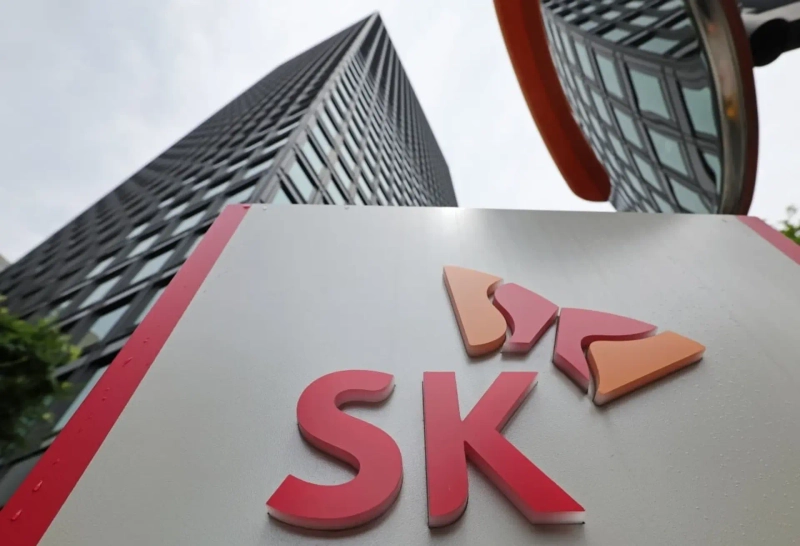
Companies including SK Inc. and Lotte Corp. stand to see a sharp drop in tax costs when they cancel treasury shares created during holding-company conversions or restructuring. The South Korean government is reviewing a plan to exempt gains from those cancellations from corporate tax.
According to government officials on June 16, the Ministry of Economy and Finance is seeking to include the measure in next year’s tax law revision. Under the third amendment to the Commercial Act, passed by the National Assembly in February, companies must cancel newly acquired treasury shares within one year. Treasury shares already on their books must be sold or canceled by September 2027. The issue is that canceling treasury shares acquired through past mergers or holding-company conversions can trigger large corporate tax bills.
Treasury shares bought on the market are not taxed again when canceled because they were purchased with profits that had already been taxed. Shares acquired through mergers or holding-company conversions are treated differently under current tax law. They are classified as corporate assets, and their cancellation is treated like an asset disposal. If the shares are worth more at the time of cancellation than when they were acquired, the difference is treated as profit and taxed. If there is little or no gain, no corporate tax is imposed.
Shares acquired through mergers or holding-company conversions are eligible for tax deferral under South Korea’s tax incentive law until they are sold or canceled. But once treasury shares are canceled, the move is treated as a disposal, meaning deferred taxes become due at once. For example, if treasury shares were worth 10 billion won ($7.2 million) when acquired and 30 billion won ($21.6 million) when canceled, current law treats the 20 billion won ($14.4 million) difference as realized profit and taxes it.
Companies have long argued that it is unreasonable to tax them when they have not actually sold the shares and generated proceeds. Demands for changes grew after the Commercial Act amendment made treasury share cancellations mandatory, meaning taxes could be imposed even when the disposal was not voluntary.
Of the treasury shares held by SK Inc., equal to 24.6% of its total shares, 15% were created in its 2015 merger with SK C&C. The company received a tax deferral on the grounds that the shares would be used for business purposes. But canceling them would leave SK with a corporate tax bill of about 400 billion won to 500 billion won ($288 million to $360 million), according to the report. Lotte Corp., HD Hyundai and Hanwha, which also secured treasury shares through past governance restructuring, face similar burdens.
The government is reviewing measures that would tax treasury shares acquired through mergers or holding-company conversions only when they are sold to outside parties, while exempting mandatory cancellations from taxation.
Kim Ik-hwan and Nam Jung-min, Korea Economic Daily reporters, lovepen@hankyung.com

Korea Economic Daily
hankyung@bloomingbit.ioThe Korea Economic Daily Global is a digital media where latest news on Korean companies, industries, and financial markets.