Trump Weighs $300 Billion Iran Reconstruction Fund With Korean Firms Participating
Summary
- The Trump administration is considering a reconstruction fund of as much as $300 billion if Iran agrees to a final peace deal that includes nuclear negotiations.
- The proposed reconstruction fund would be financed mainly by private companies, not governments, and companies from Europe, Asia, South Korea, Japan and the US have shown interest.
- Sanctions relief for Iran and the release of frozen overseas assets would proceed through phased financial easing measures tied to progress in the nuclear negotiations.
Forecast Trend Report by Period


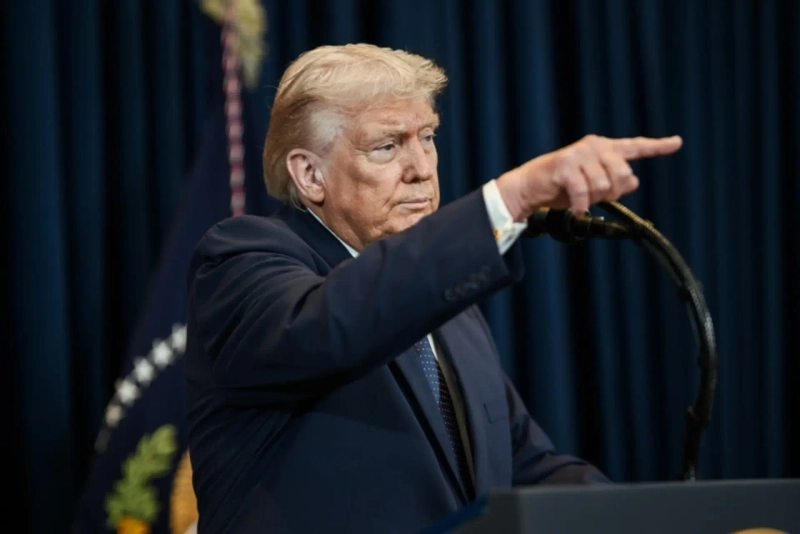
The Trump administration is considering a reconstruction fund of as much as $300 billion if Iran agrees to a final peace settlement that includes a nuclear accord. While the proposal would formally take the shape of an investment fund backed by private companies, it is effectively being viewed as support for rebuilding Iran’s economy in return for ending the war.
The Financial Times reported on June 15, citing a senior US official, that negotiators discussed easing sanctions on Iran and setting up a $300 billion reconstruction fund. Vice President JD Vance also acknowledged the discussions in an interview with CBS, saying Iran would be able to access the fund if it fulfills its obligations.
The FT said the fund would be created only after a final agreement is reached and specified as part of a memorandum of understanding, or MOU. Under the MOU, the US and Iran would first reopen the Strait of Hormuz and then continue talks on a final deal covering Iran’s nuclear program and sanctions relief.
The fund would likely be financed primarily by private companies rather than governments. US, European and Asian companies interested in investing in Iran’s energy industry could take part. One person familiar with the negotiations told the FT that companies from Europe and Asia, including South Korea and Japan, as well as US firms, have shown interest. If sanctions are lifted, the fund could become substantial.
Whether the US should provide funding to Iran in exchange for ending the war remained a sensitive issue throughout the negotiations. Trump has criticized the Obama administration’s Iran nuclear deal, formally known as the Joint Comprehensive Plan of Action, or JCPOA, saying cash changed hands. In the current talks, he has insisted there would be no arrangement that simply hands Iran money.
Some have argued that the financial support now under discussion could exceed the economic benefits provided under the earlier nuclear deal.
The FT said the release of Iran’s frozen overseas assets and sanctions relief would also proceed in stages, in line with progress in the nuclear talks. US officials said limited financial relief could be offered at an early stage to build trust, followed by phased easing measures as negotiations advance.
Iran views the proposed reconstruction fund as effectively war reparations. Mehdi Mohammadi, a strategic adviser to the chief adviser of Iran’s lead negotiating team, told local media that while the word “reparations” was not explicitly used, any discussion of reconstruction clearly refers to compensation for damage Iran suffered during the war.
Kang Kyung-joo, Hankyung.com reporter qurasoha@hankyung.com

Korea Economic Daily
hankyung@bloomingbit.ioThe Korea Economic Daily Global is a digital media where latest news on Korean companies, industries, and financial markets.