PiCK
BOJ Raises Rate to 1% for First Time in 31 Years; Yen Carry Trade Holds
Summary
- The Bank of Japan raised its benchmark interest rate to 1.0%, but there was no unwind in the yen carry trade.
- Global central banks are moving ahead with rate hikes to respond to war-driven oil-price gains and inflation.
- Markets see the BOJ's benchmark rate rising gradually to 1.5%, with normalization in the Strait of Hormuz as the key variable for the future path of rates.
Forecast Trend Report by Period


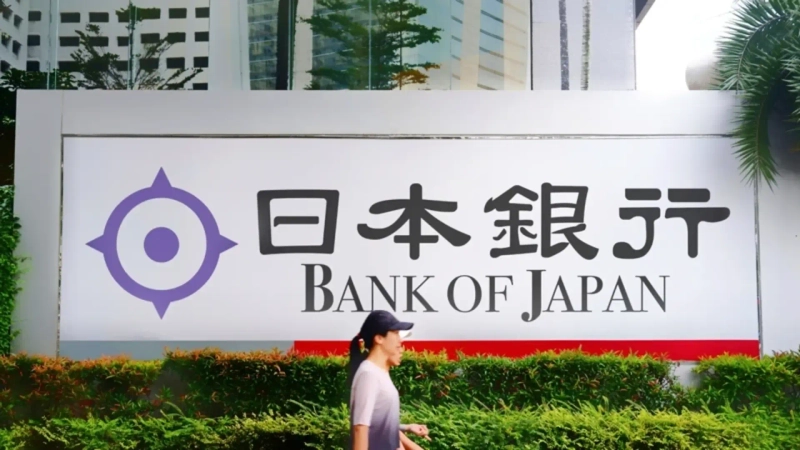
The Bank of Japan raised its benchmark interest rate to 1.0% from 0.75% at a monetary policy meeting on June 16, delivering its first increase in six months after a move in December. Japan's policy rate has reached the 1% level for the first time since 1995.
In a statement after the decision, the BOJ said it would continue raising rates and adjust the degree of monetary easing in line with economic activity, prices and financial conditions, signaling room for further tightening. Japan has lifted rates gradually since ending its negative-interest-rate policy in March 2024.
The decision was driven by yen weakness and mounting price pressures. Japan's corporate goods price index rose 6.3% in May from a year earlier, the fastest pace in three years and two months. Higher global oil prices following the outbreak of war between the US and Iran have added to import-cost pressure and strengthened the case for a preemptive response to inflation. The interest-rate gap with the US and the Japanese government's expansionary fiscal stance have also helped keep the yen weak.
The unwind in the yen carry trade that markets had feared did not materialize. The Nikkei 225 topped 70,000 intraday for the first time on June 16. South Korea's Kospi rose 2.11%, while Taiwan's Taiex gained 0.91%. Demand for carry trades remains intact because Japan's policy rate is still low compared with those of other major economies. Sumitomo Mitsui DS Asset Management said markets had already priced in Japan's move into the 1% rate range, limiting any impact on equities.
Other economies are also moving toward tighter policy. The European Central Bank raised its policy rate to 2.25% on June 11, returning to a tightening stance for the first time in about three years.
Inflation Fight Intensifies as War Ends and Rate-Hike Domino Begins
Central Banks End Easy Money; Japan Reaches 1% for First Time in 31 Years
Major central banks including the BOJ and the ECB are raising interest rates in quick succession. Governments that had focused on cushioning their economies against a slowdown earlier this year are now turning toward inflation as a war-driven oil shock takes hold. Even if the Iran war ends, oil prices may take considerable time to return to prewar levels, suggesting tight policy could persist for a while.
◇ "Fed May Raise Rates Three Times This Year"
The BOJ, which raised its benchmark rate by 25 basis points on June 16, said the move could eventually feed through to broader consumer-price increases. Markets place the lower end of the BOJ's neutral-rate range at around 1.5%. A neutral rate is one that neither stimulates nor restrains the economy. Nomura Securities said the BOJ could raise rates by 25 basis points every six months, including this increase, bringing the benchmark to 1.5%.
The BOJ is not alone. Global central banks have recently moved in the same direction. The Reserve Bank of Australia has been among the fastest to raise rates. After three increases this year, its benchmark rate has been at 4.35% since May. The ECB also raised its deposit rate by 25 basis points to 2.25% from 2% on June 11, returning to a tightening stance for the first time in about three years. The move followed euro-area inflation rising above 3% from a year earlier last month.
ECB President Christine Lagarde told reporters the Middle East conflict had lasted longer than expected and was causing a major energy shock. The need for a rate increase was very clear, she added.
The Federal Reserve has kept its benchmark rate at 3.50% to 3.75% this year. At its first Federal Open Market Committee meeting under Chair Kevin Warsh on June 17, the Fed is expected to leave rates unchanged. Still, expectations for later increases are building after US consumer inflation rose 4.2% last month, topping 4% for the first time in three years.
PGIM said in a recent report that the Fed will raise rates three times this year to reinforce institutional credibility and keep inflation expectations anchored.
◇ Hormuz Normalization Is the Key Variable
The debate over rate increases began with the energy shock out of the Middle East. Since February, crude prices, naphtha and shipping costs have all climbed because of the Iran war and instability around the Strait of Hormuz. Central banks are concerned about a second-round shock in which higher input costs feed through to broader consumer prices.
James Knightley, ING's chief economist, said average US gasoline prices would not fall back below the prewar level of $3 a gallon and inflation would not return to the Fed's 2% target until 2027. Bundesbank President Joachim Nagel said some production facilities in the Middle East had been damaged or shut down and stockpiles had also declined. Even if shipping through the Strait of Hormuz resumes, it will take months for oil supplies to normalize, he said.
Import-dependent economies including South Korea, Japan and Australia are considering rate increases to defend their currencies. A weaker currency raises import prices for crude, grain and other goods, and can feed into broader inflation.
That is why the timing of normalization in the Strait of Hormuz is the key variable for the future path of policy rates. If shipping resumes quickly and oil holds around $80 a barrel, the pace of tightening could ease somewhat. CME FedWatch shows the probability of a US rate increase by December at 50%, down sharply from more than 70% before ceasefire negotiations were concluded.
Kim Dong-hyun, reporter / Tokyo correspondent Choi Man-su 3code@hankyung.com

Korea Economic Daily
hankyung@bloomingbit.ioThe Korea Economic Daily Global is a digital media where latest news on Korean companies, industries, and financial markets.