Japan’s Retail Investors Bought SpaceX. Korea Got Zero Shares, Ha Tae-kyung Says, Blaming Regulation
Summary
- Ha Tae-kyung, head of the Korea Insurance Institute, said the core reason Korea was completely excluded from the SpaceX offering was outdated and excessive regulation by Korean financial authorities.
- Ha said retail investors in Japan and other overseas markets were able to participate in the SpaceX IPO offering, while Korea had little choice but to route the deal through a private placement for professional investors because of strict procedures under the Capital Markets Act.
- Ha said those investor-protection regulations could deprive Korean investors of opportunities in future offerings by next-generation innovators such as OpenAI and Anthropic.
Forecast Trend Report by Period


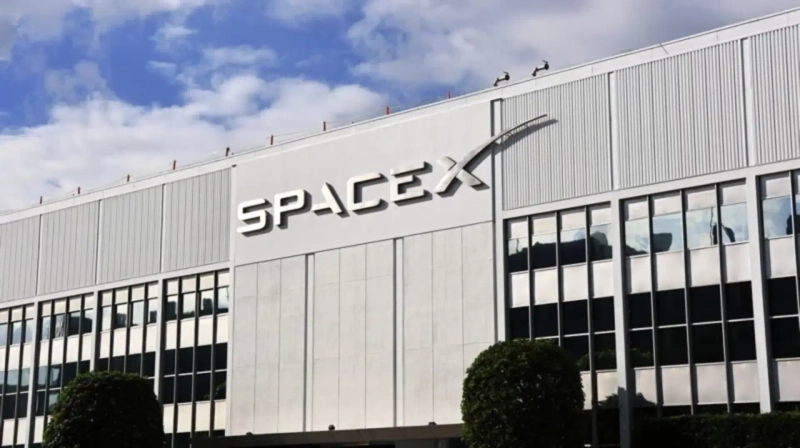
Criticism is growing that outdated financial regulations shut Korean investors out of SpaceX, the world’s largest private space company, after the country failed to receive a single share in the offering.
Ha Tae-kyung, head of the Korea Insurance Institute, told Hankyung.com on June 16 that the root of the problem lay in South Korea’s outdated and excessive regulatory system. While global capital markets rushed to share in the gains from future industries, Korea alone missed what he called a once-in-a-lifetime opportunity because of “Galapagos-style regulation.”
◇ “Korea Alone Was Excluded as the World Piled In” … Regulation Undid Even Brokers’ Efforts
Mirae Asset Securities had expected to receive about 2.31 million SpaceX shares in the company’s offering process and raised money in Korea on that basis. In the final allocation, however, Korea was completely excluded.
The Financial Supervisory Service has launched an inspection into whether Mirae Asset properly disclosed the investment risks in advance. Ha rejected that approach. The FSS is not the body that should be investigating this, he said, but the body that should be investigated. No matter how hard a brokerage mobilized its global network, he added, Korea was bound to be left out because the regulatory barrier built into the country’s financial system was simply too high.
◇ Japan Let Retail Investors Buy In. Korea Was Blocked by Regulation
Ha said the damage caused by the rules is especially clear in comparison with Japan.
At the time of the SpaceX listing, investors in Japan, including those using Mizuho Securities, as well as investors in Germany, France and Australia, were able to participate through public offerings. Ordinary retail investors could become shareholders in a global space company without onerous qualifications.
Korea faced a different reality. Under the Capital Markets Act, an overseas company seeking to offer shares to Korean retail investors must file complex securities registration documents with financial authorities and undergo strict screening. Drafting disclosures, translating documents and completing legal reviews all add significant time and cost. As a result, Korea had little choice but to abandon a public offering for retail investors and instead pursue a private placement limited to professional investors.
The outcome was bleak. From SpaceX’s perspective, Ha said, there was no reason to spend time and money complying with Korea’s demanding regulations when buyers were plentiful across the US, Japan and Europe. In his view, the dense regulatory net cast by Korean authorities has instead become a shackle that prompts major global companies to bypass the Korean market.
◇ “Investor Protection Is Being Used to Deny Opportunity … OpenAI Could Be Next”
Korean financial authorities have long justified such rules in the name of investor protection. Ha said excessive protection ultimately drives investors out of global markets. Taking away their chance to make their own judgments is not protection, he said, but a denial of opportunity.
The bigger risk, he added, lies ahead. In global capital markets, potential listings by OpenAI and Anthropic, two companies leading the generative AI boom, are already being discussed.
If the perception hardens that Korea is weighed down by heavy regulation and complicated procedures, Korean investors will again be sidelined when the next wave of innovative companies comes to market, told only that participation is difficult under the rules, Ha said.
This is a historic moment in which the value created by artificial intelligence and the space industry is being distributed around the world. Korea’s financial authorities, by clinging to regulations that diverge from global standards, have only held back local investors. The time has come for painful reflection and institutional reform.
Lee Mi-na, Hankyung.com reporter helper@hankyung.com

Korea Economic Daily
hankyung@bloomingbit.ioThe Korea Economic Daily Global is a digital media where latest news on Korean companies, industries, and financial markets.