Bolton Says Iran ‘Played Trump Like a Fiddle’ to Secure Favorable Deal
Summary
- John Bolton said Iran got the outcome it wanted in the U.S.-Iran agreement, criticizing the Trump administration for ceding the initiative in negotiations by focusing on stable oil prices and reopening the Strait of Hormuz.
- Bolton said it was a problem that key details had not been disclosed, including Iran’s uranium enrichment program, the scope of sanctions relief, and how the Strait of Hormuz would actually be reopened, adding that “if it were a great deal, it would already have been made public.”
- Axios reported that the U.S. and Iran agreed on a basic framework to resolve the nuclear program issue and plan to hold additional nuclear talks over the next 60 days, during which Washington is seeking international verification of Iran’s nuclear activities.
Forecast Trend Report by Period


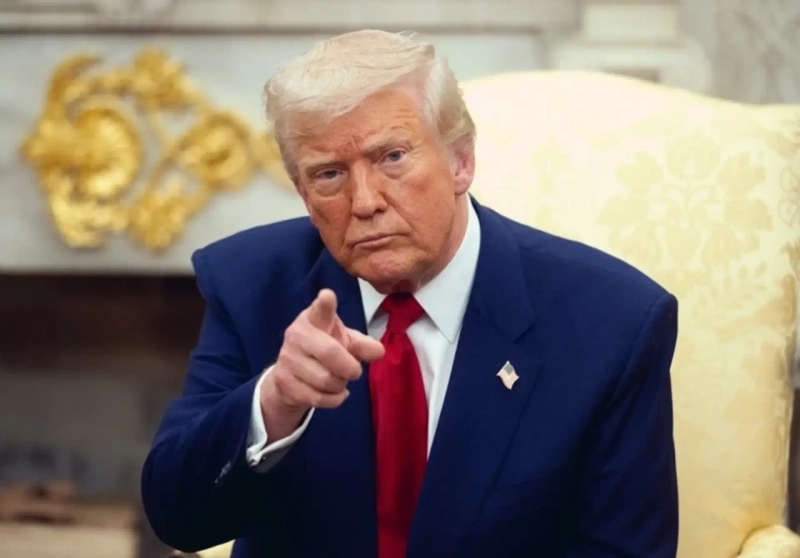
Former White House National Security Adviser John Bolton criticized the U.S.-Iran agreement, saying Tehran got the outcome it wanted. He argued the Trump administration gave Iran the upper hand in the negotiations by prioritizing stable oil prices and the reopening of the Strait of Hormuz over security and denuclearization. Bolton also cited the lack of disclosure around key terms, including Iran’s nuclear program and the scope of sanctions relief.
Yonhap News Agency reported that Bolton made the remarks in an interview with pan-European outlet Euronews on June 16. He said President Donald Trump had prioritized economic concerns over strategic considerations and that “they (Iran) played Trump like a fiddle” to secure the deal they wanted.
“President Trump’s principal interest is not the geopolitical significance of the deal, but energy prices,” Bolton said. “The one thing he is thinking about is opening the Strait of Hormuz and getting Gulf oil onto international markets to bring gasoline prices down.” Asked whether that amounted to trading U.S. national security for lower fuel prices, he replied, “Basically, yes.”
Bolton also questioned why the full text of the agreement has not been released. “With any deal, the details matter more than the headline,” he said. Questions remain over Iran’s uranium enrichment program, the scope of sanctions relief and how the Strait of Hormuz would actually be reopened.
“If it were a great deal, it would already have been made public,” he added. “That suggests quite a lot.”
Bolton also indicated he does not agree with the Trump administration’s claim that U.S. and Israeli airstrikes fundamentally changed Iran’s leadership. “The change in leadership is only because we eliminated 400 to 500 people in the upper ranks of the Iranian regime,” he said. “Now we have to deal with second-tier figures and aides. The people may have changed, but it remains a fanatical regime.”
He also argued that Iran has spent 56 years saying it would not seek nuclear weapons since joining the Nuclear Non-Proliferation Treaty in 1970, but never truly intended to keep that promise.
Earlier, Trump said he would release a document detailing how Iran’s nuclear program would be verified after the formal signing ceremony for a U.S.-Iran peace agreement in Switzerland. Axios reported that Trump told reporters ahead of the Group of Seven summit in Evian, France, on June 15 that the full text of the agreement would be disclosed after the signing ceremony on Friday, June 19, and that any sanctions relief for Iran would depend on its implementation and conduct.
The document will likely include a verification framework for Iran’s nuclear facilities, an issue that has drawn broad international attention. The U.S. has discussed placing Iran’s highly enriched uranium and the operation of its nuclear facilities under the supervision of international monitoring bodies including the International Atomic Energy Agency. The Trump administration has repeatedly said it will never allow Iran to possess nuclear weapons.
Axios also reported that the U.S. and Iran agreed on a basic framework to address the nuclear program and that the draft calls for additional nuclear talks over the next 60 days. During that period, the U.S. is seeking a system under which international inspectors would verify Iran’s nuclear activities.
Kang Kyung-ju, Hankyung.com reporter, qurasoha@hankyung.com

Korea Economic Daily
hankyung@bloomingbit.ioThe Korea Economic Daily Global is a digital media where latest news on Korean companies, industries, and financial markets.