Strait of Hormuz Reopening May Take Weeks as Mine Clearance, Toll Dispute Loom
Summary
- The G7, shipping industry, and oil traders said reopening the Strait of Hormuz could take weeks.
- The US says passage will remain toll free for at least 60 days, while Iran has signaled it may later impose fees in the name of service charges.
- A US official said Washington would encourage private-sector investment in Iran’s reconstruction from South Korea, Japan and Europe, and that the reconstruction fund could reach $300 billion.
Forecast Trend Report by Period


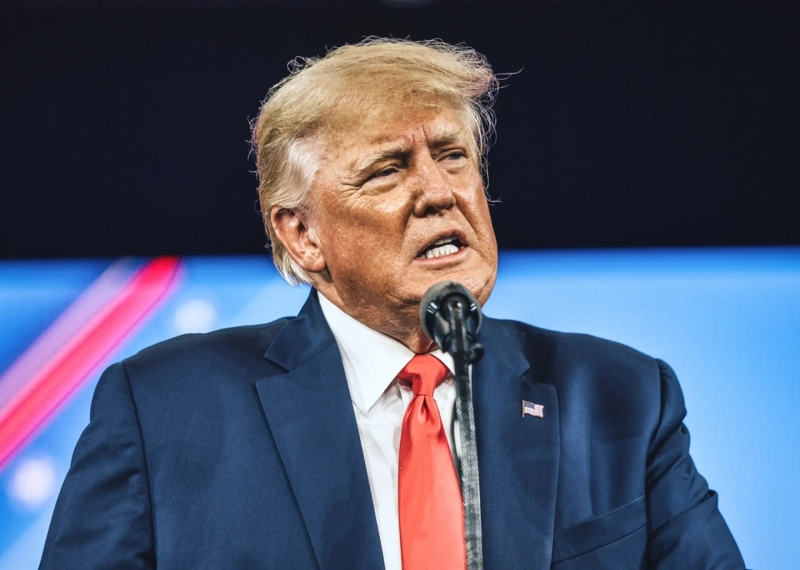
Despite President Donald Trump’s claims, G7 governments, oil traders and shipping companies broadly doubt the Strait of Hormuz can reopen by Friday, June 19, and say a return to normal traffic may take weeks.
No one outside Iran knows how many mines may have been laid or how long it would take to clear them. Another unresolved issue is whether ships will still be able to pass without charge after 60 days, rather than under the unrestricted prewar system, as Washington and Tehran continue to send conflicting signals.
Bloomberg and CNBC reported on June 16 that G7 countries, oil traders and shipping operators do not expect the strait to reopen immediately. They say mines were probably laid and that any safe, rapid clearance effort would require full Iranian cooperation, including complete disclosure of relevant information.
Bloomberg also reported that even within the Trump administration, many officials do not expect traffic through the Strait of Hormuz to normalize quickly.
A senior US official said it could take as long as two weeks for traffic through the strait to increase noticeably, and longer to recover to prewar levels. The official added that mines still have to be removed and that shipowners differ in how much risk they are willing to accept in sending vessels through the waterway.
France, the UK and Italy are set to play key roles in mine-clearing operations. G7 leaders are understood to be working out a basic plan for clearing the strait after obtaining consent from Iran and other relevant parties.
Trump said at a summit in Evian on June 15 that ships had already begun departing and that the waterway would be fully open by Friday, June 19. He added that search operations were under way to remove several mines that had already been found.
Bloomberg noted, however, that it remains unclear how many mines are in the strait, or even whether any were laid in the first place. The success of any clearance operation therefore hinges on how fully Iran shares what it knows.
Iran has repeatedly claimed it laid mines. The UK said around mid-March that Iran had done so, while the US disputed that assessment.
Another major question is whether the Strait of Hormuz, which allowed free passage before the war, can return to that arrangement.
If the waterway effectively becomes a paid passage route, the war against Iran launched by the Trump and Netanyahu governments could draw worldwide criticism. More than 100 days of war have already added to the economic burden on the global economy and the US economy through higher oil prices and inflation. Trump may pay little heed to international opinion, but he cannot ignore US public sentiment ahead of the November midterm elections.
So far, little has been disclosed about the memorandum of understanding between the US and Iran beyond the exclusion of Iran’s nuclear program and the inclusion of 14 items related to a 60-day ceasefire extension.
The Trump administration says the strait will remain toll free for at least 60 days and will likely stay free for a long period after that. Iran, however, has indicated that once the new 60-day negotiation period between Washington and Tehran ends, it may impose charges in the name of service fees.
Another official said the US-Iran memorandum will explicitly state that the Strait of Hormuz will remain open free of charge for 60 days, and that Washington expects the clause to be included in the final agreement. A waterway once open to unrestricted navigation has now become a subject of negotiation over transit charges.
Oil industry leaders have spent months telling the White House and the Trump administration that tolls for safe passage through the Strait of Hormuz would be unacceptable. A person familiar with the discussions added that the White House is well aware of the industry’s position. Shipping companies would also likely resist any move to impose tolls.
Trump said at the June 16 summit that the agreement was effectively a done deal, while adding that the US would not invest in Iran or pay war reparations. He described the Iranian people as rational and stressed that Iran would not be allowed to develop nuclear weapons.
A US official also said Washington would encourage private-sector investment from South Korea, Japan and Europe in Iran’s reconstruction. The Financial Times reported that the reconstruction fund could reach $300 billion.
Iran, a country of 90 million people with some of the world’s largest oil and natural gas reserves, wants the memorandum to include a fund that would amount to war compensation to support rebuilding. Iranian officials have claimed the war, which began with US and Israeli airstrikes, caused thousands of casualties and more than $250 billion in economic damage.
Iranian officials also said the memorandum would allow access to tens of billions of dollars in funds frozen in places such as Qatar. The US government has said signing the agreement would not by itself unlock those assets or lift sanctions. Washington has stressed that such steps would be phased in only if Tehran carries out the terms of the deal.
Kim Jung-a, guest reporter, Hankyung.com, kja@hankyung.com

Korea Economic Daily
hankyung@bloomingbit.ioThe Korea Economic Daily Global is a digital media where latest news on Korean companies, industries, and financial markets.