European Banks Warn of Losing Ground to Dollar Stablecoins, Push Euro-Based Digital Payments
Forecast Trend Report by Period


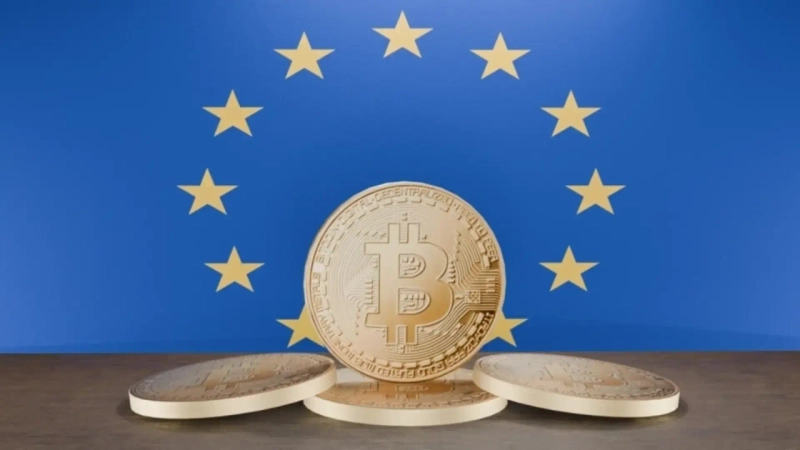
European banks are warning that the region could fall behind in the race over stablecoins and tokenized deposits. With dollar-based stablecoins leading global digital finance, Europe needs to strengthen its own payments infrastructure and the competitiveness of euro-denominated tokenized money.
FinanceFeeds reported on June 15 that the Euro Banking Association, or EBA, recently published a report on the adoption of tokenized money.
The report analyzed stablecoins issued by banks and electronic money institutions, tokenized deposits, deposit tokens, as well as real-world use cases and conditions for adoption. It excluded central bank digital currencies, or CBDCs, and cryptocurrencies such as Bitcoin.
The EBA said stablecoins and tokenized deposits remain at an early stage, but are becoming increasingly important in the contest over global financial infrastructure. It cited a rapid increase in stablecoin experiments by Visa and Mastercard, tokenized products from BlackRock, blockchain pilots by major banks and cross-border payments tests.
Europe in particular views the spread of dollar-based stablecoins as a major risk. If dollar-pegged stablecoins come to dominate the global market, dependence on the dollar could deepen in digital finance, weakening Europe’s payment sovereignty and the competitiveness of its financial infrastructure.
The report said Europe risks relying on foreign infrastructure and losing influence in digital finance if it fails to build up euro-based tokenized payment instruments. That is heightening the importance of discussions around regulated stablecoins, tokenized deposits, a digital euro and bank-led blockchain infrastructure.
The EBA said widespread adoption of stablecoins will not happen automatically. Changing payment habits among consumers and businesses will take time, and tokenized payment instruments will have to meet requirements for regulatory compliance, security, resilience, cost efficiency and user experience before becoming mainstream.
The report identified cost efficiency and user experience as key strengths of stablecoins. Still, it said a clear edge over existing payment networks has yet to be proven. “The core differentiators versus existing payment rails still need to be demonstrated,” the EBA said.
Banks are also becoming more wary. Stablecoin issuers, big tech companies, payment networks and digital wallet providers could eventually seize control of payment infrastructure. As a result, banks are paying closer attention not only to parallel payment networks outside the traditional financial system, but also to tokenized deposits and deposit tokens that can operate within regulated financial infrastructure.
Wim Grosemans, chair of the EBA working group on digital money and smart payments, said the underlying technology is evolving rapidly and tokenized money is spreading across global payment networks and large corporations. Financial institutions need to assess the sector and make investment decisions proactively.
“It is important to remain competitive and capture new opportunities,” he added.
Market participants expect stablecoins and tokenized money to keep moving into mainstream finance. The key battleground ahead is likely to be not simply whether stablecoins are adopted, but whether Europe can secure its own infrastructure and customer access points against a dollar-centric digital payments network.

Minseung Kang
minriver@bloomingbit.ioBlockchain journalist | Writer of Trade Now & Altcoin Now, must-read content for investors.