Summary
- The U.S. House and Senate have agreed to advance a housing bill containing a provision banning CBDC issuance.
- The bill says the Federal Reserve cannot issue a CBDC or similar digital asset through December 2030, while stablecoins would be exempt.
- Republicans and President Donald Trump have pushed to ban a CBDC, saying it would threaten financial system stability, individual privacy and U.S. sovereignty.
Forecast Trend Report by Period


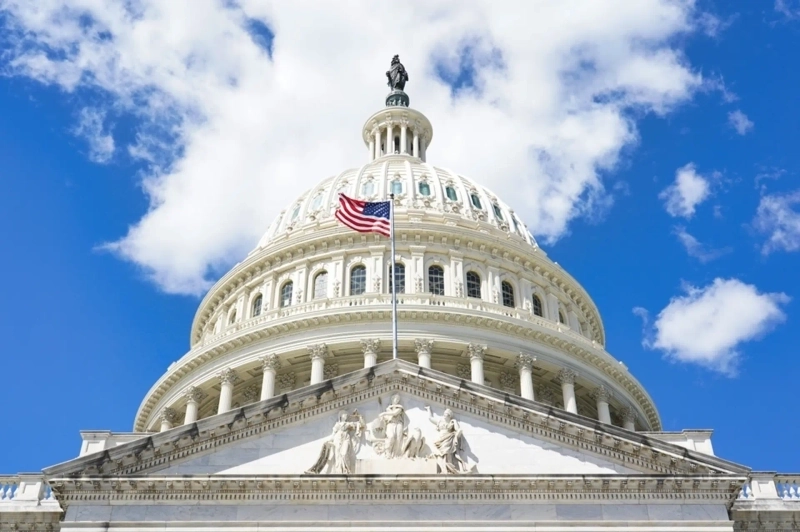
The U.S. House and Senate have agreed to move forward with a housing bill that includes a provision barring the issuance of a central bank digital currency, or CBDC.
Cointelegraph and other outlets reported on June 16 that House and Senate leaders had reached agreement the previous day, June 15, on an amendment to the 21st Century Road to Housing Act. The bill would restrict institutional investors from buying single-family homes and operating them as rentals.
The provision drawing the most attention from the crypto industry would bar the Federal Reserve from directly or indirectly issuing a CBDC, or a digital asset substantially similar to one, through December 2030.
Stablecoins would be exempt. The bill includes a separate clause excluding “open, permissionless and private dollar-denominated currency” from the ban.
Some in the industry view the measure as reviving key language from the Anti-CBDC Surveillance State Act introduced last year by Representative Tom Emmer, a Republican. That bill passed the House last year but did not clear the Senate.
Republicans have pushed to block a CBDC, arguing it could be misused as a tool for monitoring financial information.
President Donald Trump also signed an executive order early last year prohibiting federal agencies from carrying out CBDC-related work. At the time, Trump said a CBDC would threaten financial system stability, individual privacy and U.S. sovereignty.

JOON HYOUNG LEE
gilson@bloomingbit.ioCrypto Journalist based in Seoul