BOK Sees Inflation Near 3% in Second Half, Above 2% Next Year
Summary
- The Bank of Korea said inflation is likely to maintain a high rate of increase for a considerable period ahead.
- It said consumer inflation and the core inflation rate are expected to come in at around 3% and the upper-2% range, respectively, in the second half of this year, and to remain above the target level (2.0%) next year.
- The BOK said inflation pressure could widen further because of high oil prices, a weak won, a recovery in consumption, wage increases and pressure to raise public utility charges.
Forecast Trend Report by Period


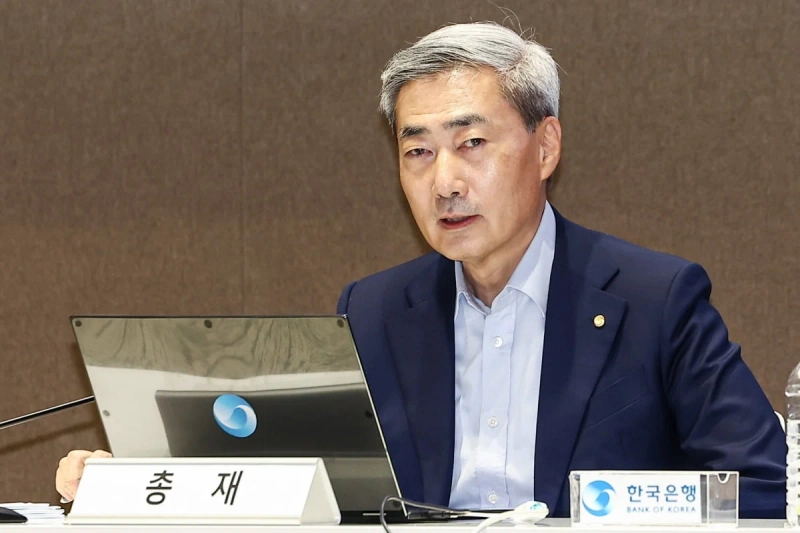
The Bank of Korea said on June 17 that inflation is unlikely to cool quickly even if global oil prices stabilize after the war ends, as recovering consumption and rising wages keep price pressures elevated.
In a report on the operation of its inflation-targeting regime released the same day, the central bank said inflation will likely remain high for a considerable period.
The BOK projected consumer inflation at around 3% in the second half of this year, with core inflation in the upper-2% range. It also forecast both headline and core inflation will remain above its 2.0% target next year as demand-side pressures gradually strengthen.
The outlook reflects the growing chance that cost pressures fueled by high oil prices and a weak won will spread beyond petroleum products. Inflationary pressure from the recovery in consumption is also set to build.
The BOK said international oil prices could gradually decline as ceasefire talks between the U.S. and Iran advance. Even so, it expects the pace of any decline to be gradual because of reconstruction demand and countries' efforts to replenish crude inventories.
On the demand side, the bank said the recovery in economic activity is expected to strengthen gradually. It said improving income and asset conditions, backed by strong earnings at information-technology companies, could spur consumption and add to inflation pressure.
The BOK said government policy is offsetting part of the inflationary impact from the oil shock. But pressure to raise public utility charges could build later in the second half. It also said recent wage increases centered in parts of the IT industry could further amplify price pressures if they spread across the broader economy.
In particular, the bank said large performance bonuses in the semiconductor industry could significantly increase inflation pressure from both the supply and demand sides if they spill over into other sectors.
The BOK said that during the Russia-Ukraine war, sharp increases in crude prices began to spread to non-energy items such as manufactured goods about six months later. Those indirect effects lasted for about a year, it added.
Kim Yeon-ji, Hankyung.com reporter kongzi@hankyung.com

Korea Economic Daily
hankyung@bloomingbit.ioThe Korea Economic Daily Global is a digital media where latest news on Korean companies, industries, and financial markets.