Samsung, SK Hynix Bonuses Seen Adding to Korea Inflation, Minimum Wage Pressure
Summary
- The Bank of Korea said record bonuses at Samsung Electronics and SK Hynix could fuel broader wage hike demands beyond IT and add upward pressure on inflation.
- It said when bonus increases reach the top 10% of historical levels, even fixed pay in other industries rises further, helping push up consumer prices.
- The article said bonuses worth several hundred thousand dollars at Samsung Electronics and SK Hynix are also feeding demands for next year's minimum wage and pressure for a double-digit increase, adding to the burden on industry.
Forecast Trend Report by Period


BOK Flags Upside Risks to Inflation
"Could Also Affect Next Year's Minimum Wage"
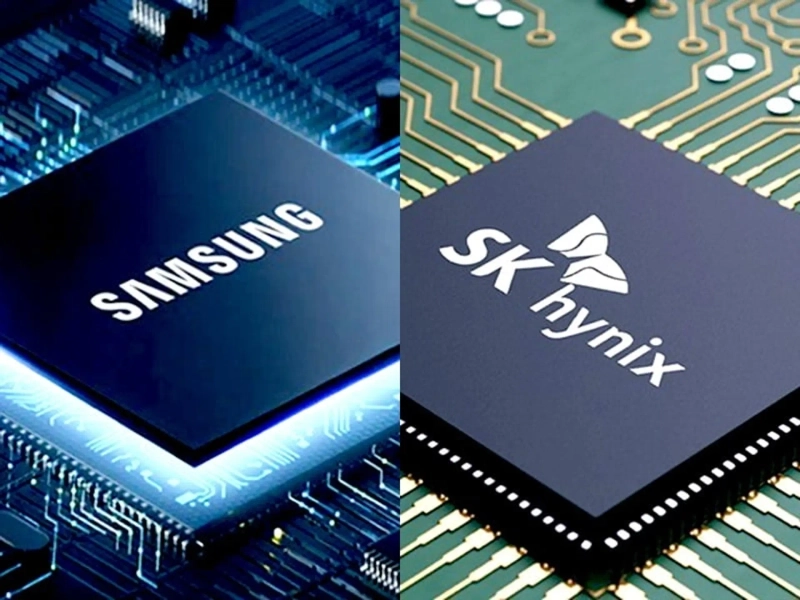
Record bonuses at Samsung Electronics Co. and SK Hynix Inc. are emerging as a new variable for South Korea's inflation outlook. The Bank of Korea said the outsized payouts fueled by the semiconductor boom could spur wage demands beyond information technology, spreading to manufacturing and services while also lifting consumption and the housing market.
In a report on its inflation-targeting operations released June 17, the BOK said unusually large performance bonuses paid by some major IT companies could add to upside pressure on prices.
Special pay in the IT sector, including bonuses, rose 60.6% in the first quarter from a year earlier, according to the BOK. Wage growth in non-IT sectors was just 2.1%. The central bank said bonuses at large IT companies could grow further early next year, given strong semiconductor exports and the broader adoption of performance-linked pay.
The BOK outlined three main channels through which IT bonuses can feed into inflation. One is labor mobility, as skilled workers move to higher-paying jobs and other employers raise wages to keep staff. Another is a reference-wage effect, with workers in other sectors using IT pay as a benchmark in wage negotiations. The third is stronger demand for services as rising income for semiconductor workers boosts spending.
At ordinary levels, bonuses have only a limited effect on inflation. The BOK's analysis showed average special-pay payouts did not significantly lift consumer prices. Because bonuses are temporary income rather than recurring fixed pay, they are less likely to translate into stronger consumption.
That changes when bonus growth becomes exceptional, as it has at Samsung Electronics and SK Hynix. An analysis of historical data by the BOK found that when bonus increases reached the top 10% of past observations, fixed monthly pay in other industries rose an additional 0.02 to 0.03 percentage point. At the top 5%, both the number of industries posting wage gains and the size of those increases grew.
The effect on prices was similar. Using microdata from the Survey on Labor Conditions at Establishments, the BOK found consumer prices rose when the share of businesses paying top-10% bonuses increased. By contrast, prices did not respond when more companies paid bonuses in the average range, defined as the 40% to 60% band.
Bonuses worth several hundred thousand dollars at Samsung Electronics and SK Hynix are also roiling talks over next year's minimum wage. Labor groups are demanding an hourly minimum wage of 12,000 won, up 16.3% from this year. They had previously called for increases of 26.9% for 2024 and 27.9% for 2025.
Negotiations are expected to be difficult as labor groups stress that the average minimum-wage increase over the three years from 2023 to 2025 was 2.37%, below the average inflation rate of 2.66% over the same period. Industry groups worry labor representatives will cite the hefty Samsung Electronics and SK Hynix bonuses to push aggressively for a double-digit increase.
Ryu said at the second plenary session of the Minimum Wage Commission on May 26 that the controversy over Samsung's bonuses was not simply a compensation issue. It had also become a social event that starkly exposed widening income disparities in the labor market under the shared label of workers.
The BOK said bonus payouts this year and next are unusually large by historical standards, while wage demands in other sectors are also rising. That could expand upside inflation risks through the wage channel, it added, calling for close monitoring of wage trends across industries.
Kang Kyung-ju, Hankyung.com reporter qurasoha@hankyung.com

Korea Economic Daily
hankyung@bloomingbit.ioThe Korea Economic Daily Global is a digital media where latest news on Korean companies, industries, and financial markets.