Vance Says Lifting Iran Blockade Matters More Than Sanctions Relief, Vows to Track Money Flows
Summary
- Vance said the main obstacle to Iranian oil exports was not sanctions but the lifting of restrictions on its financial system, and that the U.S. would use that to track Iran's shadow-finance flows.
- He said the agreement functions as a "dial" that adjusts economic sanctions relief according to Iran's positive actions, and that the U.S. will not lift sanctions unless Tehran changes course.
- He said destroying Iran's nuclear infrastructure means rebuilding will require billions of dollars, and that while the U.S. is squeezing Iran's economy, it is not providing Tehran with a single cent in financial support.
Forecast Trend Report by Period


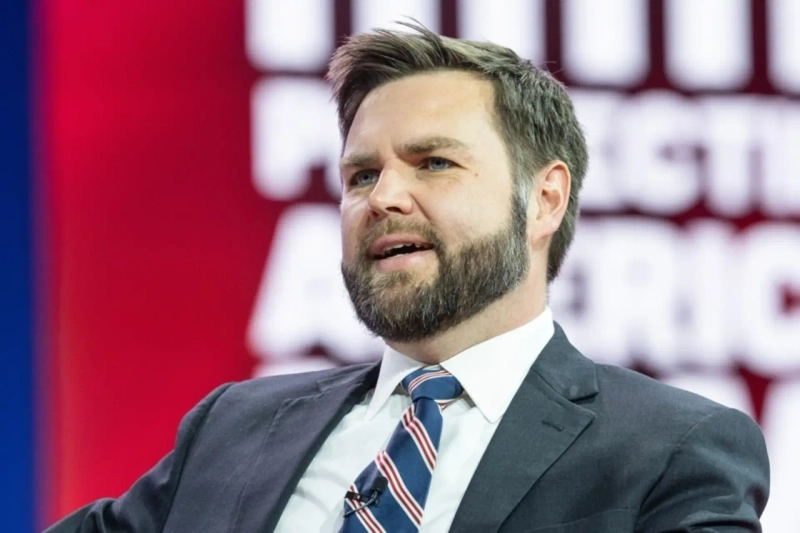
U.S. Vice President J.D. Vance held a briefing at the White House on June 18 on Iran.
Key remarks follow:
="No tolls should be imposed on international waterways. That has been our position throughout the 60-day MOU period. You said we had left room for other possibilities, but that is not really the case, except that the final negotiations could determine conditions after that."
="Separate from the toll issue, we must ensure this strait can never again be used as a choke point for the global economy. If that is not reflected in a final agreement, there will be no final agreement. We hold all the leverage."
="The real obstacle to Iranian oil exports was not sanctions. We did not view that as a major concession to Iran. What sanctions actually affected was Iran's financial system, its shadow-finance network. Lifting the blockade was the most important change. Through sanctions relief, we will be able to get a sense of where their financial system is actually sending and receiving money, and that will provide a tangible benefit to the American people."
="President Trump has made clear he will not withdraw support for Israel. No country can strip another country of its right to self-defense, including against Hezbollah."
=(Asked how allowing Iran to sell oil freely under the agreement was not a financial benefit,) "They made very specific commitments on the nuclear issue. In particular, they gave assurances on how they would handle their stockpile of highly enriched uranium. We simply lifted the blockade and allowed passage through the strait. Basically, we restored the status quo from before the conflict."
="This agreement is a kind of dial. If they increase positive actions, we can increase economic sanctions relief. If they reduce positive actions, we can stop easing sanctions."
="Please report plainly that the United States is not directly providing Iran with a single cent."
="You can view the 60-day period as having officially started today. The signing happened late, and given the time difference, it could technically be considered signed today."
="We destroyed a large part of their ballistic missiles -- or, more precisely, their ability to launch ballistic missiles. We did not just take away the bullets. We took away the gun."
="Even if Iran decided as soon as tomorrow to build a nuclear weapon, it has no ability to do so."
="The nuclear infrastructure destroyed by the United States was worth billions of dollars. Rebuilding the program would require enormous sums, and we are currently squeezing their economy. We will not lift sanctions unless they fundamentally change their posture."
="A change in posture means a real inspection regime and a real enforcement mechanism."
Lee Sang-eun, Washington correspondent, Hankyung.com selee@hankyung.com

Korea Economic Daily
hankyung@bloomingbit.ioThe Korea Economic Daily Global is a digital media where latest news on Korean companies, industries, and financial markets.