Summary
- The US and Iran said they have begun implementing their MOU, with the US lifting its maritime blockade on Iran and shipping through the Strait of Hormuz returning to normal, helping drive oil prices lower and stocks higher.
- The next 60 days are set to bring difficult negotiations, with the nuclear program, sanctions relief, operation of the Strait of Hormuz, and transit fees emerging as the main issues.
- Political backlash in the US is intensifying over a $300 billion reconstruction fund, the resumption of Iranian oil exports, and the possibility of future sanctions relief.
Forecast Trend Report by Period


Hormuz shipping resumes after US lifts maritime blockade on Iran
Vance says compensation depends on Iran changing its behavior
To Israeli hard-liners: 'Wake up and face reality'
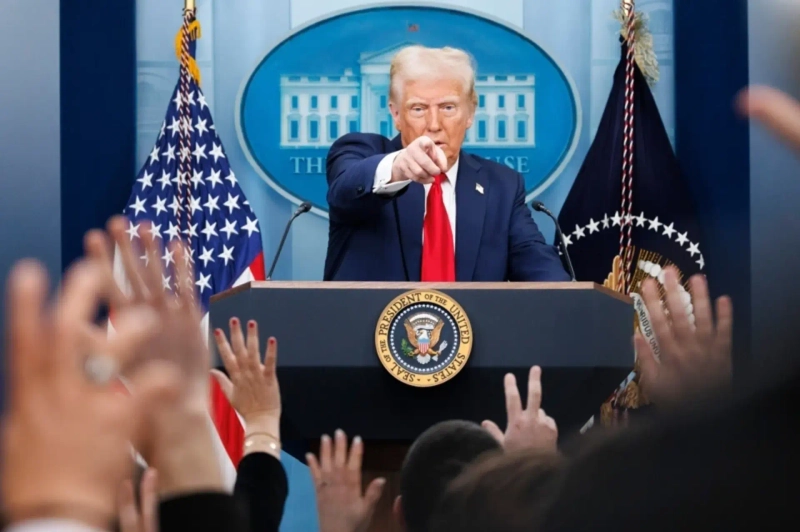
The US and Iran began implementing their ceasefire memorandum of understanding on June 18. Washington lifted its maritime blockade on Iran, while Tehran allowed shipping through the Strait of Hormuz to resume. Follow-up talks on dismantling Iran's nuclear program and easing sanctions are still set to be difficult.
Vice President JD Vance told a White House press briefing that the 60-day negotiation period under the MOU "officially began today." That gives the two sides until Aug. 16 to discuss the nuclear program, sanctions relief and related issues.
US Central Command also confirmed that the maritime blockade on Iran had been lifted. American warships will remain in nearby waters for now as the US monitors whether Iran follows through on the agreement.
Oil shipments through the Strait of Hormuz are also returning to normal. Vance said 12.5 million barrels of oil had passed through the waterway since the MOU was signed. Iran has also agreed not to charge vessel transit fees during the 60-day negotiation period.
President Donald Trump is presenting the deal as an achievement. In a post on Truth Social, he pointed to lower oil prices and rising stocks as evidence of the agreement's impact. The US national average gasoline price has also fallen to $3.999 a gallon, the first time it has dropped below $4 since March.
The schedule for working-level talks remains fluid. The two countries had originally planned to hold an MOU signing ceremony in Switzerland on June 19 before launching face-to-face negotiations. But the leaders signed the document remotely a day earlier, increasing the chances that the in-person schedule will be revised.
Vance said talks are planned for this weekend, though that could change. The formal negotiation period has begun, but in-person talks may still be delayed.
The two sides have no shortage of issues to resolve within 60 days. The main sticking points include how to handle highly enriched uranium, whether Iran will halt uranium enrichment, the scope of inspections by the International Atomic Energy Agency, and the method for lifting sanctions. The future operation of the Strait of Hormuz also remains unresolved.
Iran has signaled it will not back down in the next round of talks. Supreme Leader Ayatollah Seyyed Mojtaba Khamenei said in a public message that he had given the MOU "conditional approval." The statement suggested Tehran will not accept what it sees as excessive US demands.
Vance also stressed that any economic compensation for Iran would be conditional. "It is only possible if Iran fully complies and changes its behavior," he said. "Not one cent of US taxpayer money will go into this." The remarks appeared aimed at criticism in the US over what some see as a giveaway tied to a $300 billion reconstruction fund and possible sanctions relief.
Tensions over control of the Strait of Hormuz also remain. Iran said the Persian Gulf Waterways Administration will manage traffic through the strait going forward. Iranian media said ships will not have to pay fees during the 60-day period because the government will cover the cost, leaving open the possibility that transit charges could be imposed after the talks end.
Political backlash in Washington is also building. Democrats, along with some Republicans, say the MOU is too favorable to Iran.
Senate Armed Services Committee Chairman Roger Wicker said in a statement that the $300 billion reconstruction fund was a concern. He said the fund would not be financed by US taxpayer money. Even so, he said it would make the economic benefits granted under the 2015 Iran nuclear deal look small by comparison.
Republican hard-liners have joined the criticism. Senator Bill Cassidy called the agreement "the worst foreign policy mistake in decades." Senator Ted Cruz said it was dangerous to give Iran economic benefits. Senator John Cornyn said the issues of Iran's uranium enrichment and transit fees in the Strait of Hormuz had not been resolved.
The criticism is politically awkward for Trump. Since withdrawing from the Obama administration's Iran nuclear deal in 2018, Trump has attacked it as "the worst deal" because it handed Iran "pallets of cash." But the new MOU includes a resumption of Iranian oil exports and the possibility of future sanctions relief. That has prompted criticism even within the Republican Party that the agreement may offer Iran greater economic benefits than the Obama-era deal.
Israel remains another variable. Vance pressed hard-liners in Israel who oppose the MOU to respect the agreement.
"President Trump is, at this moment, the only head of state who is friendly to Israel and also the leader of the world's superpower," Vance said. He added that Israeli hard-liners should "wake up and face reality."
Kim Hee-seon, Hankyung.com reporter, gimme_sun@hankyung.com

Korea Economic Daily
hankyung@bloomingbit.ioThe Korea Economic Daily Global is a digital media where latest news on Korean companies, industries, and financial markets.