Forecast Trend Report by Period


Israel and Lebanon's armed group Hezbollah have resumed a ceasefire. But the latest flare-up in fighting has also pushed US-Iran peace talks championed by President Donald Trump's administration toward collapse.
The Wall Street Journal reported on June 19 that US and Israeli officials said Israel and Hezbollah entered a new ceasefire at 4 p.m. Friday.
Earlier, the US and Iran had agreed to a memorandum of understanding that would keep the Strait of Hormuz open for 60 days and ease sanctions on Iranian oil sales. Follow-up talks were then suspended after Israel resumed airstrikes in Lebanon. The White House canceled Vice President J.D. Vance's planned trip to Switzerland, and Switzerland's foreign ministry separately confirmed that working-level talks had been postponed.
Iranian and Arab officials say Tehran sees the Israeli strikes as a violation of the provisional agreement and is demanding firm guarantees that the attacks will stop before negotiations resume. Foreign Ministry spokesman Esmail Baghaei told state media the US bears direct responsibility for the current situation and warned it would have serious consequences for regional security.
Mojtaba Khamenei, the son of Iran's supreme leader, wrote on X that he approved the president's signing of the deal only after receiving assurances that the interests of regional militias would be protected. He also said Trump had agreed to the deal out of desperation.
Trump responded on Truth Social that it was Iran, not the US, that came to the table out of desperation. "They are finished," he wrote. "We will watch the 60-day deadline, and Iran will not receive 10 cents."
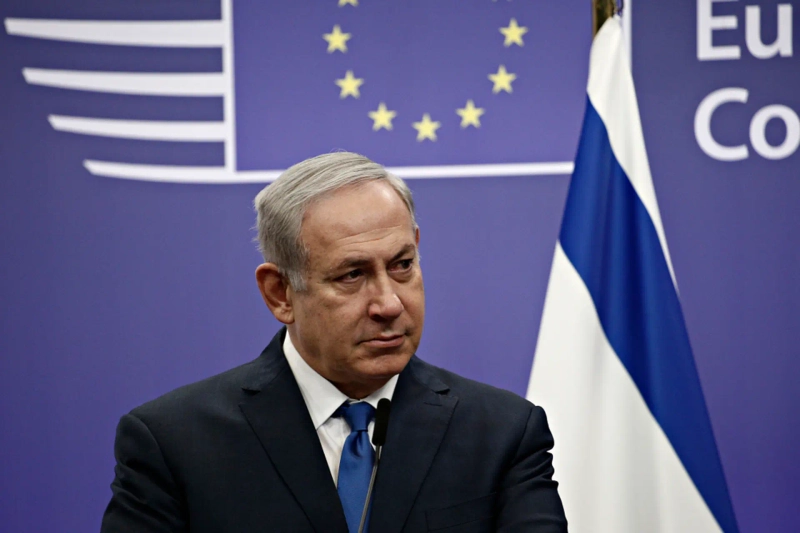
The Lebanon conflict is also emerging as a flashpoint in Trump's relationship with Israeli Prime Minister Benjamin Netanyahu, one of his closest allies. The Journal said Trump has pressured Netanyahu to stop blowing up buildings and that conversations between the two leaders have become increasingly acrimonious.
Danny Citrinowicz, a senior researcher at Israel's Institute for National Security Studies, called the situation a "foreseen disaster." If the US wants a deal, he said, it must force Israel to completely halt operations and withdraw. Netanyahu has no interest in doing so, he added.
A provision in the US-Iran memorandum guaranteeing Lebanon's territorial integrity and sovereignty is also drawing backlash from Israeli hard-liners. National Security Minister Itamar Ben-Gvir said that for every tear shed by an Israeli mother, 1,000 Lebanese mothers should weep tears of blood, and that all of Lebanon should burn.
Meanwhile, hard-line pro-Israel figures in the US moved to defend Israel. Vance said Trump is currently the only head of state in the world friendly to Israel, adding that if he were in Israel's cabinet, he would not attack the only strong ally left in the world. Mike Huckabee, the US ambassador to Israel, also backed Israel's position after French Foreign Minister Jean-Noel Barrot called for both sides to halt airstrikes, saying a ceasefire comes when Hezbollah stops shooting and killing.

Doohyun Hwang
cow5361@bloomingbit.ioKEEP CALM AND HODL🍀