PiCK
Iran Says It Made Major Progress With US, Agrees on Strait of Hormuz Transit Mechanism
Summary
- Iran said it reached a mechanism agreement with the US on safe ship transit through the Strait of Hormuz, calling it an important issue.
- The two sides discussed issuing permits for Iran’s oil exports and the release of frozen funds, and said major progress was made on those important issues.
- Iran said prerequisites for final negotiations include ending the war on all fronts, including in Lebanon, lifting the US naval blockade, and allowing exports of Iranian crude and petrochemical products as well as the release of frozen funds.
Forecast Trend Report by Period


18 hours of talks held in Switzerland
Oil exports, release of frozen funds discussed
Tehran demands prior conditions be met before final-deal talks
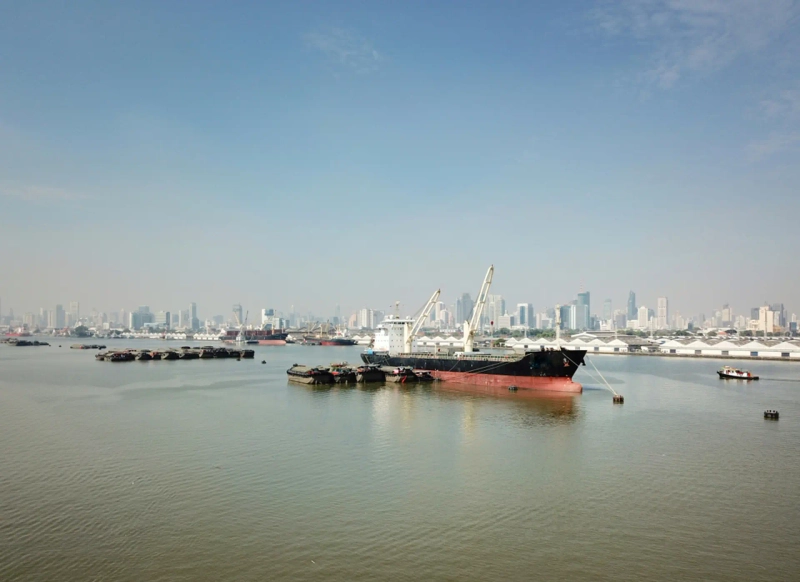
Iran said lengthy talks with the US in Switzerland produced some progress, including an agreement to establish a mechanism for safe vessel transit through the Strait of Hormuz. Iranian oil exports and the release of frozen funds were also key agenda items.
Esmail Baghaei, spokesman for Iran’s negotiating team in talks with the US, told Iranian state television on June 22 that the two sides agreed to put in place a mechanism tied to safe shipping through the Strait of Hormuz. He called the issue important and said the talks lasted 18 hours.
The sides also discussed permits needed for Iran’s oil exports and the release of frozen funds, Baghaei said, describing those issues as highly important and saying major progress had been made.
Iran maintains that conditions set out in an earlier memorandum of understanding must be implemented before negotiations on a final agreement can begin. Under Article 13 of the memorandum, those conditions must be fulfilled before the talks can move to the final-agreement stage.
Article 13 of the earlier memorandum includes ending the war on all fronts, including in Lebanon, lifting the US naval blockade, and Iran’s reopening of the Strait of Hormuz. Sanctions-related measures were also listed as preconditions for final talks, including permission to export Iranian crude and petrochemical products and the release of Iran’s frozen funds.
"The war must end on all fronts, including in Lebanon," Baghaei said. He added that the negotiating team’s work at this stage had ended, but working-level teams would continue on June 23 in talks with the mediating countries on issues needed for the memorandum’s effective implementation.
The negotiations were not smooth throughout. Baghaei said Iran turned negative on continuing the talks after threatening remarks by the US side were made public during the four-party meeting.
During the four-party talks, threatening comments from the US were disclosed, and Iran declared it was unwilling to continue under those conditions. Qatar and Pakistan, acting as mediators, tried to keep the dialogue going, but Iran refused.
Baghaei also said Iran believes the US must be pressed to carry out its commitments. He added that Tehran had voiced concern over the other side’s failure to honor its promises and in particular pointed to what it described as continued ceasefire violations by Israel.
Hong Min-seong, Hankyung.com reporter mshong@hankyung.com

Korea Economic Daily
hankyung@bloomingbit.ioThe Korea Economic Daily Global is a digital media where latest news on Korean companies, industries, and financial markets.