Israel Alarmed as US-Iran Lebanon Deal Sidelines It, Leaving Netanyahu Isolated
Summary
- Concerns have emerged that the US-Iran Lebanon ceasefire agreement could effectively legitimize Iran’s influence in Lebanon.
- Israel’s position was significantly weakened in the latest ceasefire agreement, with its operational freedom limited to imminent threats and its exclusion from the deconfliction mechanism.
- Prime Minister Benjamin Netanyahu, ahead of Israel’s general election in October, is urgently mobilizing Trump administration contacts in a bid to influence US-Iran talks on Lebanon as he seeks to resolve the Hezbollah issue.
Forecast Trend Report by Period


Axios report
Israel’s role diminished sharply from the 2024 Lebanon ceasefire deal
Netanyahu urgently taps Trump administration contacts
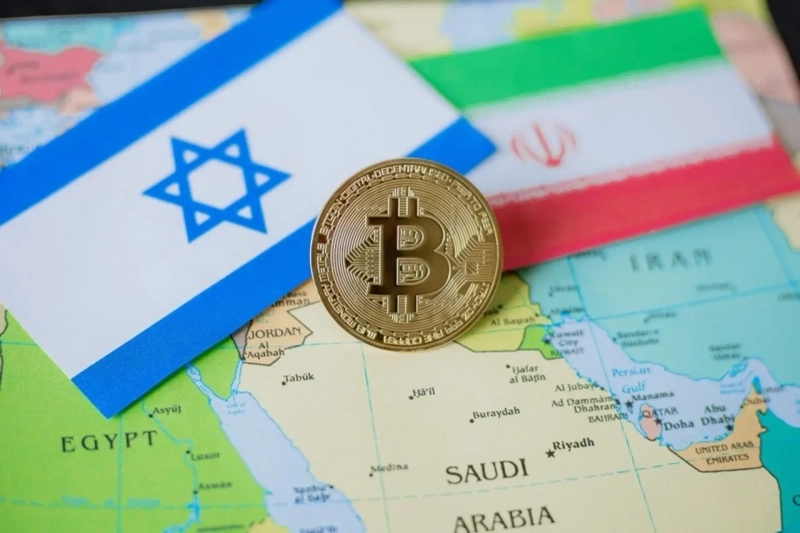
Israel’s government is on alert amid concern that a ceasefire deal reached by US President Donald Trump could effectively legitimize Iran’s influence in Lebanon.
That could undercut months of strategic efforts by the US and Israel to weaken Hezbollah and reduce Iran’s sway in Lebanon.
Axios reported on June 22 that Israeli officials have voiced strong concern over the contents of a recent US-Iran agreement on Lebanon.
The US and Iran signed a memorandum of understanding on June 17 calling for an end to hostilities across all fronts, including Lebanon, while guaranteeing Lebanon’s territorial integrity and sovereignty.
At talks in Switzerland on June 21, the sides also agreed to establish a new deconfliction mechanism involving mediator countries and the Lebanese government to ensure compliance with the halt in military operations in Lebanon.
Israeli concern has intensified after reports that Israel was excluded from the new framework, which includes the US, Iran, Lebanon, Qatar and Pakistan.
Axios said Israel’s position in the latest ceasefire arrangement is weaker than it was under the November 2024 Lebanon ceasefire brokered by the US and France.
Under that ceasefire, Israel retained the right to act against both “imminent threats” and “emerging threats” from Hezbollah. Under the new agreement, its operational freedom is limited to “imminent threats” alone.
The 2024 ceasefire monitoring mechanism included Israel, Lebanon, the US and France. This time, Israel was left out and Iran was included.
The 2024 ceasefire also contained a pledge to withdraw and disarm Hezbollah forces in southern Lebanon. The new agreement instead focuses on preventing clashes between Israeli forces and Hezbollah.
An Israeli source told Axios that Prime Minister Benjamin Netanyahu is far more worried about the US-Iran understanding on Lebanon than about any agreement in the nuclear talks.
Resolving the Hezbollah issue carries major political importance for Netanyahu ahead of Israel’s general election in October.
Netanyahu asked his close aide Ron Dermer, the former strategic affairs minister, to urgently use his contacts in the Trump administration to influence US-Iran talks on Lebanon.
The source added that Dermer played a major role in Trump’s Truth Social post on June 21 threatening to “hit Iran hard again” if Tehran fails to rein in Hezbollah.
Referring to Netanyahu by his nickname, the source said, “Bibi is reacting hysterically to this issue.”
Israeli and Lebanese diplomats are set to hold another round of direct talks at the US State Department on June 23, with Secretary of State Marco Rubio mediating discussions that include Hezbollah’s disarmament.
The Trump administration believes the new deconfliction framework will improve the odds of successful direct talks between Israel and Lebanon by using Iran to keep Hezbollah under control.
A senior US official said Israel is not being excluded from the mechanism because the US is part of it. “We are coordinating very closely, so a direct US-Iran channel on Lebanon would only benefit Israel,” the official added.
Park Sang-kyung, Hankyung.com reporter highseoul@hankyung.com

Korea Economic Daily
hankyung@bloomingbit.ioThe Korea Economic Daily Global is a digital media where latest news on Korean companies, industries, and financial markets.