Trump Says Iran Must Buy US Farm Goods; Tehran Says It Will Decide
Summary
- The US said it would implement a 60-day lifting of sanctions on Iran and release about $12 billion in frozen assets.
- Trump said the unfrozen Iranian funds would be used only for purchases of US food and medical supplies under US control.
- Iran said it alone would decide how to handle the released assets and any purchases and imports of goods, rejecting the US claim that it would control the funds.
Forecast Trend Report by Period


Trump also says Iran agreed in full to nuclear inspections, a claim Tehran denies
Conflicting accounts on inspections and use of unfrozen assets leave scope of deal unclear
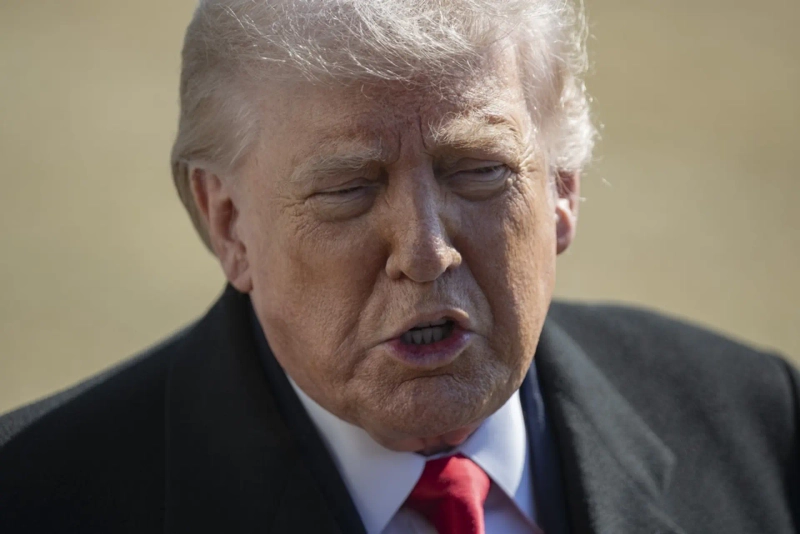
Conflicting accounts from Washington and Tehran over the details of their agreement point to a difficult path for follow-up talks on implementation.
President Donald Trump said June 23 that Iran had agreed to allow long-term inspections of its nuclear facilities. Iran denied any such agreement. Tehran also rejected Trump's claim that unfrozen Iranian funds would be used under US control to buy American food and other products, saying it alone would decide how the money is spent.
In a social media post, Trump said Iran had "fully agreed" to top-level nuclear inspections "for a long time to come (forever!!!)." He wrote that the arrangement would ensure "nuclear honesty" and added that there would have been no further negotiations if Iran had not accepted it.
Iran, however, denied claims that it had begun discussions on its nuclear program or agreed to invite inspection teams from the International Atomic Energy Agency.
Trump also said funds released by the US Treasury Department would be placed in escrow accounts under US control and used only to buy American food products such as corn, wheat and soybeans, as well as medical supplies.
Ali Bahreini, Iran's ambassador to the United Nations, said the two sides had held "very good talks" but rejected the US account of how the unfrozen assets would be used.
Speaking in Geneva, Bahreini said Iran alone would decide how the released assets are handled and would not allow any country to influence decisions or procedures related to purchases or imports.
Iran's frozen assets consist of oil proceeds held overseas and the central bank's foreign-exchange reserves, accumulated over years of sanctions.
Bahreini said the assets had been frozen by the US and that some were in Qatar, meaning Washington and Doha would need to take several technical steps.
He said two working groups would be formed in the coming days to discuss the lifting of sanctions on Iran and issues related to Iran's nuclear activities.
Bahreini also said ending the fighting in Lebanon was an important part of the agreement between the US and Iran. He said Iran's "red line" was any further attack on Lebanon and urged the US to use "all its influence" on Israel to stop the violence.
A ceasefire has largely held in Lebanon since the June 21 agreement between the US and Iran. Lebanese militias and state media said two people were killed by Israeli gunfire. Hezbollah said the incident violated the ceasefire agreement.
The US lifted sanctions on Iran for 60 days starting Monday. Under the initial agreement, about $12 billion in frozen Iranian assets will be released.
Kim Jung-a, contributing reporter, Hankyung.com, kja@hankyung.com

Korea Economic Daily
hankyung@bloomingbit.ioThe Korea Economic Daily Global is a digital media where latest news on Korean companies, industries, and financial markets.