SpaceX Investors Diverge as Bond Buyers Back Starlink and Equity Holders Bet on xAI
Summary
- Bond investors focused on the investment-grade status of SpaceX bonds, their relatively cheap pricing and Starlink’s cash flow.
- Equity investors placed greater value on the growth potential of xAI and the expansion of SpaceX’s space business, despite the high valuation.
- The FT said expectations for Starlink-led deleveraging could clash with expectations for increased capital spending on xAI and space data centers among bond and equity investors.
Forecast Trend Report by Period


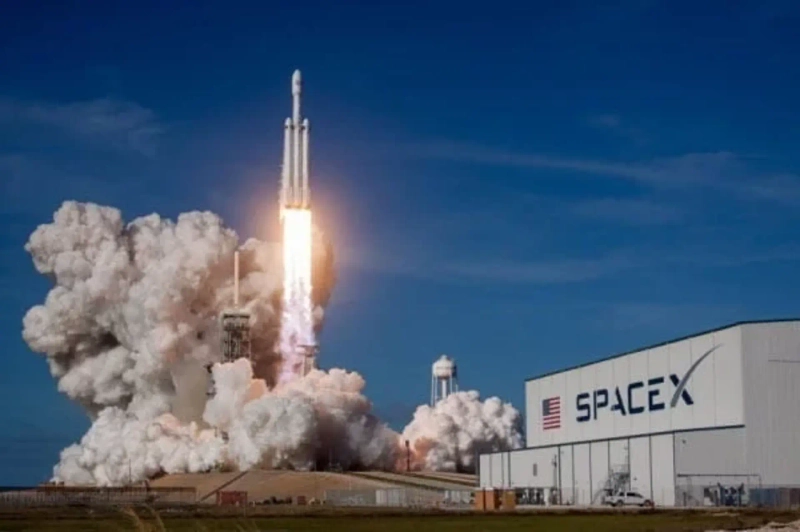
Bond and equity investors are valuing different parts of Elon Musk’s SpaceX. Credit investors are focused on the cash flow from Starlink, while equity investors are placing greater value on xAI and the company’s potential to expand its space business.
The Financial Times reported on June 30 that credit investors in SpaceX’s first bond sale took the company’s presentation materials seriously, but not literally. SpaceX brought its first bond issue to market last week. All three major credit rating firms assigned the debt investment-grade ratings. Even so, the bonds were priced cheaply for that rating band. They were still priced meaningfully better than Oracle, which investors view as a cash-burning technology company, the FT reported.
The FT said bond investors were drawn to the creditor-friendly profile of Starlink, SpaceX’s cash-generating satellite internet business. SpaceX set a goal of cutting its leverage ratio from about five times EBITDA to two to three times EBITDA, arguing that it would grow in line with its capital structure.
The approach is not unprecedented in credit markets. Netflix made a similar case to bondholders as it moved away from a cash-burning business model. But Netflix started with a junk rating when it first issued bonds. It took more than a decade to win a full investment-grade rating.
Moody’s said its rating reflected expectations that SpaceX would adjust the pace of investment if it suffered a major disruption. The ratings firm also underscored Starlink’s importance, using its methodology for telecommunications service providers to support the Baa1 rating assigned to SpaceX.
Bond and equity investors can draw different conclusions from the same offering memorandum because each security reflects a different mix of risk and reward. SpaceX’s equity valuation implies a very high multiple of revenue or EBITDA. Bondholders are focused on whether Starlink’s cash flow can cover interest and principal payments. Shareholders, by contrast, are betting on what the FT described as the virtually unlimited growth potential of SpaceX’s xAI.
xAI is EBITDA-negative and has burned about $20 billion in cash over the past 12 months. Bond and equity investors are each relying on assumptions that could come into conflict. The FT said the belief that SpaceX would rein in capital spending if necessary clashes with the view that it will continue funding plans with uncertain viability, such as space data centers, to preserve a first-mover advantage.
Kim Dong-hyun, Hankyung.com reporter 3code@hankyung.com

Korea Economic Daily
hankyung@bloomingbit.ioThe Korea Economic Daily Global is a digital media where latest news on Korean companies, industries, and financial markets.