Gold Set for Biggest Quarterly Drop Since 2013 as High Rates, Strong Dollar Weigh
Forecast Trend Report by Period


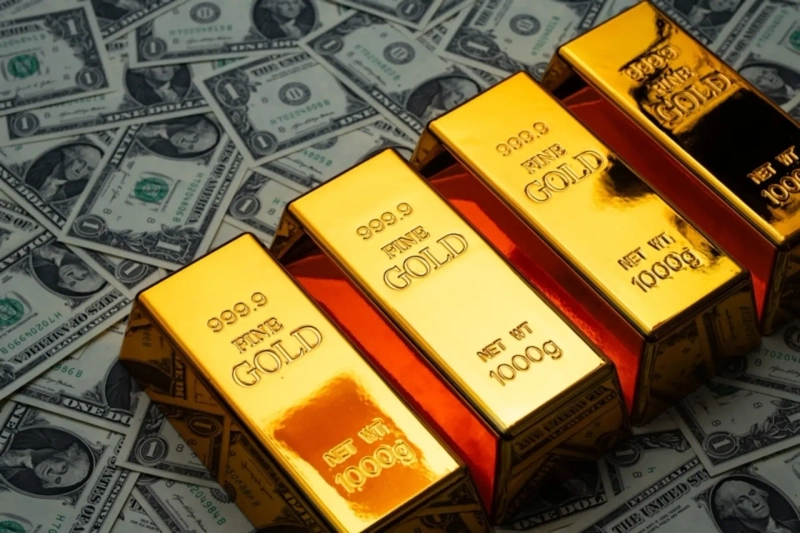
Gold is headed for its biggest quarterly drop in 13 years as a stronger dollar and the prospect of higher US interest rates pressure prices.
Spot gold rose 0.2% to $4,026.17 an ounce as of 07:32 GMT in European and Asian trading on June 30. Even so, bullion has fallen 11.2% so far this month, putting it on track for a fourth straight monthly decline. US gold futures for August delivery were unchanged at $4,040.60 an ounce.
Reuters reported on June 30 that gold is set for its first quarterly decline since 2024. The selloff follows a surge in energy prices linked to the Iran war, which has fueled inflation concerns and increased the likelihood of further rate hikes. The quarterly drop would be the biggest since the second quarter of 2013.
The forces dragging gold lower are outweighing any support for a rebound.
"Three forces — high inflation, elevated rate expectations and a strong dollar — are overwhelming everything gold needs to move higher," Marex analyst Edward Meir said.
Gold is traditionally seen as a hedge against inflation, but its appeal fades when interest rates are high.
CME Group's FedWatch tool showed on June 30 that interest-rate swap traders were pricing in a 75.4% chance of a rate increase at the Federal Open Market Committee's September meeting and a 97.5% chance of a hike by October.
Two US labor-market reports closely watched by the Fed are due this week. ADP's June employment report is scheduled for July 1, and the Labor Department's nonfarm payrolls data is due on July 2. The national employment report is usually released on the first Friday of each month, but it was brought forward by a day because Friday falls on the US Independence Day holiday. Data pointing to a resilient labor market gives the Fed more room to stay focused on inflation.
The dollar's rise since the outbreak of the Iran war is another headwind for gold. Because the metal is priced in dollars, a stronger US currency makes it more expensive for holders of other currencies and tends to curb demand.
Oil is also on course for its biggest quarterly drop since 2020 ahead of talks between Iran and the US in Doha, Qatar, later this week. Even so, the impact of higher shipping costs built up over recent months from the closure of the Strait of Hormuz and rising oil prices may persist for months.
"For gold to rise, at least one of three conditions needs to be met," Christopher Wong, OCBC's precious metals strategist, said in a report. Those conditions are lower real yields, a weaker dollar or a less hawkish Fed. Without them, gold is likely to trade sideways below its previous high for an extended period.
Spot silver rose 1% to $58.88 an ounce, while platinum was unchanged at $1,574.75. Both metals, like gold, are also set for monthly and quarterly declines.
Kim Jung-a, guest reporter, Hankyung.com, kja@hankyung.com

Korea Economic Daily
hankyung@bloomingbit.ioThe Korea Economic Daily Global is a digital media where latest news on Korean companies, industries, and financial markets.