BCG Says Tokenization Can Cut Capital-Market Inefficiencies, Urges Korean Institutions to Prepare [DAIF 2026]
Summary
- Seung-hwan Shin, a partner at BCG, said tokenization technology is a core tool for reducing inefficiencies in capital-market infrastructure.
- He said global financial institutions are pursuing financial-infrastructure innovation using tokenization and smart contracts, and that a hybrid transition is the most realistic path.
- He also said discussions on legislation for security tokens (STOs) and broader institutional reforms are underway in South Korea, and stressed the importance of building a distribution ecosystem and usage strategies for tokenized assets.
Forecast Trend Report by Period


Digital Asset Investment Insight Forum 2026
Seung-hwan Shin, Boston Consulting Group Partner
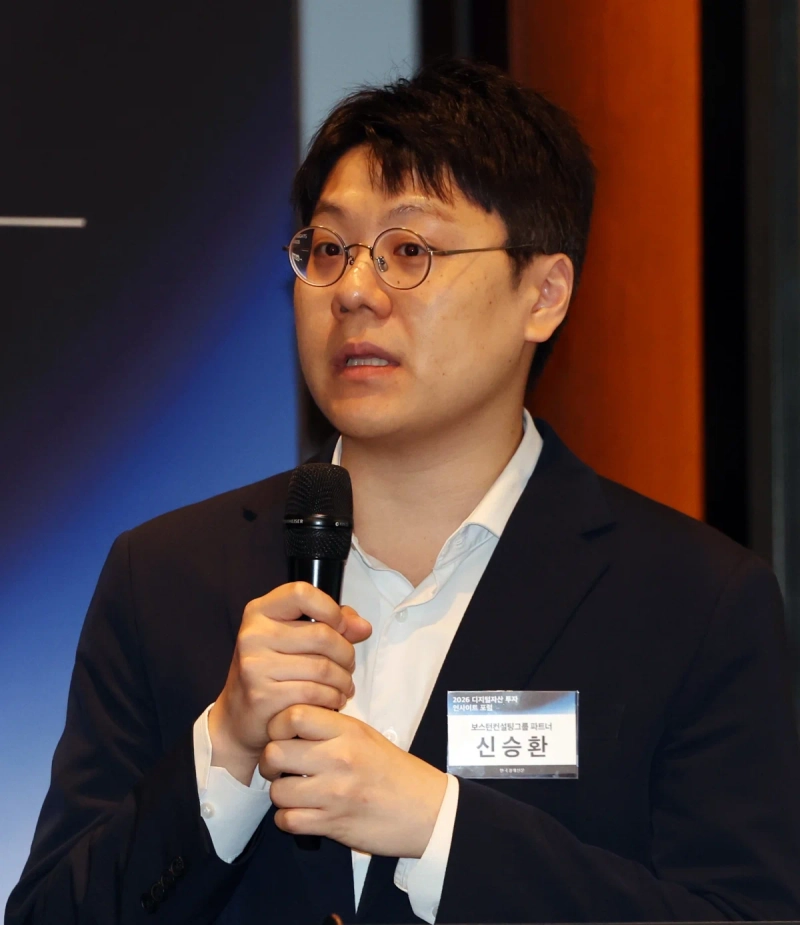
“Tokenization is not simply the emergence of a new asset class. It is a core technology for reducing inefficiencies in capital-market infrastructure, including trading, settlement and custody.”
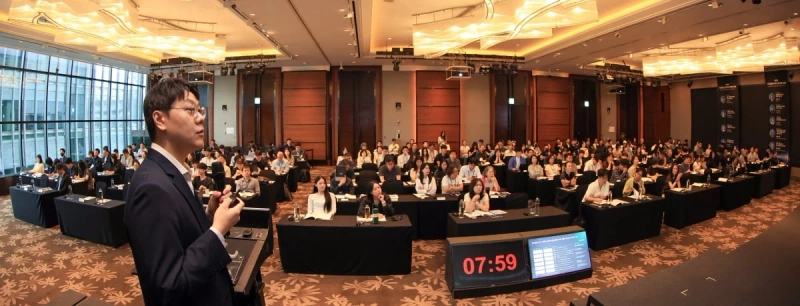
Seung-hwan Shin, a partner at Boston Consulting Group, made the remarks at the Digital Asset Investment Insight Forum 2026 at the Conrad Seoul in Yeouido on July 2. He said digital banking was an innovation for individuals, while digital assets and tokenization represent innovation for financial institutions and capital-market infrastructure.
Shin said capital markets remain inefficient because transactions pass through multiple institutions, including exchanges, clearinghouses, securities depositories and custodians. The repeated verification of the same data across trading, clearing and custody creates costs, he said, adding that the industry is turning to tokenization to address those inefficiencies.
He also cited examples of global financial institutions using tokenization. According to Shin, DTCC, BlackRock and Visa are already pursuing financial-infrastructure innovation built around tokenization.
He said examples are also emerging of smart contracts being used to automate interest payments. As regulatory frameworks take shape, such use cases will continue to increase, he added. Shin said a complete shift of the market on-chain would be difficult, and that the most realistic scenario is a hybrid model in which tokenization is gradually applied to existing financial infrastructure.
Shin said Korean institutions also need to prepare for that shift. He noted that discussions on legislation for security tokens, or STOs, and efforts to shorten settlement periods are underway in South Korea as part of broader capital-market reforms. Because the change will reshape infrastructure itself, related strategies need to be developed more actively, he said.
He also stressed the importance of building a reliable distribution ecosystem. Going forward, how well tokens circulate after issuance will matter more than issuance itself, Shin said. Tokenized assets can be used not only for trading but also for a range of financial services, including collateralized lending and liquidity provision, he added.
Shin also said digital-asset-based capital markets currently account for only 0.01% of the global capital market. What matters is where South Korea and its financial institutions stand once that share expands to 1%, he said.
Jinwook and Jang Hyun-joo, Bloomingbit reporters

Korea Economic Daily
hankyung@bloomingbit.ioThe Korea Economic Daily Global is a digital media where latest news on Korean companies, industries, and financial markets.