IMF Says Tokenization Can Boost Efficiency, Speed Transmission of Financial Shocks
Summary
- The IMF said tokenization of financial assets can improve market efficiency while also increasing vulnerability to systemic shocks.
- It said near-real-time clearing and settlement through tokenization could speed the spread of shocks as liquidity demand and collateral calls become automated.
- The IMF said key challenges include concentration risk on a small number of large platforms, legal uncertainty from inadequate regulation, and the risk of volatile capital inflows and outflows and weaker monetary sovereignty in emerging economies.
Forecast Trend Report by Period


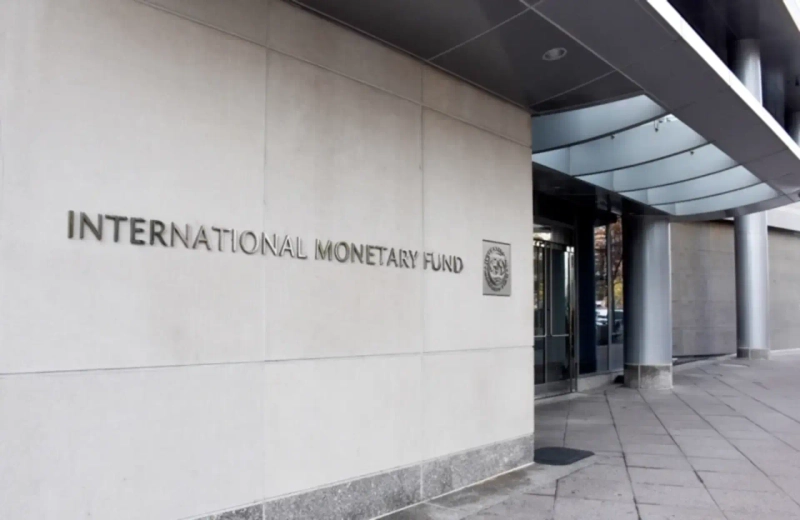
The International Monetary Fund warned that tokenization of financial assets can improve market efficiency while also making the financial system more vulnerable to shocks.
Tobias Adrian, director of the IMF's Monetary and Capital Markets Department, described that trade-off in an official blog post cited by CoinDesk on July 3, writing that "frictions disappear, but so do buffers."
Tokenization involves recording financial assets such as stocks, bonds and bank deposits on blockchain-based shared ledgers. Smart contracts can execute trades, transfer ownership and settle transactions simultaneously, cutting clearing and settlement times that typically take two days or more in traditional finance to a matter of seconds. Processes that once took days for clearing and reconciliation now finish almost instantly, Adrian wrote.
That speed can also create risk. In traditional finance, delays at each stage of clearing and settlement are not merely inefficiencies; they also give banks, regulators and risk managers time to detect problems early. Liquidity needs can arise in real time, collateral calls can be automated, and shocks can spread before institutions or supervisors have time to respond, according to Adrian.
He also flagged concentration risk. As tokenization expands, activity tends to concentrate on a small number of large platforms. If infrastructure becomes a central hub, a governance failure becomes a system-wide event, Adrian wrote. He added that, from a cybersecurity perspective, consolidation onto shared ledgers further increases the importance of operational resilience and crisis management.
Adrian said another key challenge is that regulation has not kept pace with tokenization. If it remains unclear whether tokenized records constitute legally valid proof of ownership, whether settlement finality is legally recognized, and which country's laws apply, tokenization will remain fragmented and peripheral, he wrote. For emerging and developing economies in particular, he added, cross-border capital flows could trigger sharp inflows and outflows, currency substitution and weaker monetary sovereignty.

Bloomingbit Newsroom
news@bloomingbit.ioFor news reports, news@bloomingbit.io