Memory Prices to Rise Again in Third Quarter, but PC and Smartphone Weakness Slows Gains
Forecast Trend Report by Period


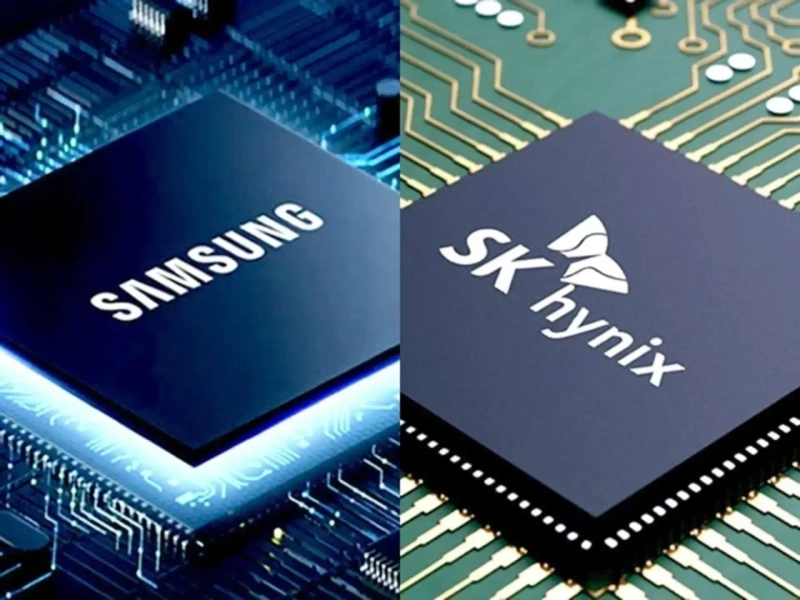
Memory chip prices are set to keep rising in the third quarter as demand from artificial-intelligence servers and hyperscale data centers continues to strain supply. But the steep run-up of recent quarters is poised to cool as PC and smartphone makers hit the limits of what they can absorb in higher costs.
Tom's Hardware reported on July 4 that market researcher TrendForce expects conventional DRAM contract prices to rise 13% to 18% in the third quarter from the previous three months. NAND flash contract prices are forecast to climb 10% to 15%. That would mark another quarter of double-digit gains, though slower than the roughly 60% jump in the second quarter.
The slower pace does not mean supply has recovered. TrendForce cited mounting pressure on consumer-electronics makers after months of rising memory prices. Supply remains tight, but the ability to pass those costs on in end markets such as PCs and smartphones is nearing its limit.
AI remains the center of the memory market. Demand from AI inference systems and large data centers continues to tighten DRAM and NAND supply. Memory makers are also steering production capacity toward higher-margin server products first. As a result, weaker PC and smartphone demand has not translated into plentiful supply for consumer memory.
The market is also splitting between enterprise and consumer demand. Server DRAM is still expected to remain in short supply in the third quarter. But some volume is tied up in long-term supply agreements, which should keep price increases more moderate. TrendForce said improving central processing unit supply will support steady AI server buildouts based on x86 processors and registered DIMMs, or RDIMMs, through next year.
The consumer market, by contrast, is coming under heavier strain. Laptop makers are expected to continue restocking, but higher memory costs are beginning to show up in product prices. TrendForce said that could weigh on PC shipments for the rest of the year.
Smartphone makers are facing similar pressure. With low-power DRAM, or LPDDR, prices staying elevated, many manufacturers may consider raising handset prices. At the same time, weakening consumer demand could make them more cautious about production plans.
A similar pattern is showing up in storage. PC makers built up substantial client solid-state drive inventories in the first half of the year. That has weakened their willingness to accept further price increases. Suppliers have also become more flexible in contract negotiations, helping to contain gains in SSD prices. Enterprise storage, by contrast, continues to benefit from investment in AI infrastructure.
Graphics memory and retail products remain relatively weak. TrendForce said Nvidia's RTX PRO 6000 Blackwell has yet to generate as much GDDR7 demand as anticipated. Weak laptop shipments were also cited as a drag on graphics-memory demand. Retail products such as USB flash drives and memory cards are also struggling because vendors are finding it difficult to pass higher upstream costs on to consumers.
For PC builders, that means a near-term drop in prices remains unlikely. With AI infrastructure still the memory industry's top supply priority, DRAM and NAND prices are likely to keep rising. Even so, the pace of those increases is set to slow as pressure in the consumer market nears its limit.
Kim Dae-young, Hankyung.com reporter kdy@hankyung.com

Korea Economic Daily
hankyung@bloomingbit.ioThe Korea Economic Daily Global is a digital media where latest news on Korean companies, industries, and financial markets.