PiCK
Trump Says Iran Attacked Ships in Hormuz, Putting Ceasefire at Risk as Oil Jumps 6%
Summary
- Geopolitical tensions have reignited as the US-Iran peace MOU faces the risk of collapse.
- Uncertainty over the ceasefire sent Brent crude and WTI sharply higher, deepening instability in global oil prices.
- The US restoration of sanctions on Iranian crude oil and the possibility of reduced ship traffic through the Strait of Hormuz are increasing risks in the energy market.
Forecast Trend Report by Period


Biggest crisis hits peace MOU just three weeks after signing as global oil jumps 6%
US says it struck more than 80 sites and restored curbs on Iranian oil sales
Iran says it hit 85 US military facilities
Oil rebounds to pre-MOU levels
End-of-war talks could be delayed until US elections
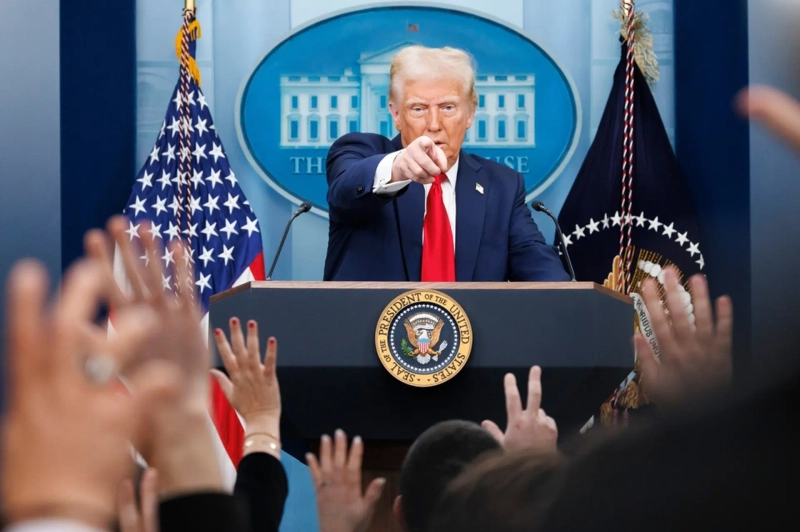
The memorandum of understanding between the US and Iran aimed at ending the war is at risk of collapse. Fighting has flared again, and President Donald Trump has raised the prospect of abandoning the ceasefire. The latest clash is underscoring how fragile the MOU was from the outset. Talks scheduled for July 11 will be the first major test.
US and Iran exchange blame
Trump said the ceasefire with Iran was effectively over and condemned Tehran for attacking ships passing through the Strait of Hormuz, according to foreign media reports on July 8. He said Iran struck the vessels even after promising not to escalate the conflict during the funeral period for former Supreme Leader Ayatollah Ali Khamenei. “They are evil and violent people, and if they have nuclear weapons, they will use them,” Trump said.
A day earlier, US Central Command said on social media that it had begun major airstrikes to make Iran pay for attacking commercial vessels carrying innocent civilians in international waters. It said it hit more than 80 Iranian targets. The Wall Street Journal reported that the operation was the largest attack since the two sides reached an end-of-war agreement on June 17.
Central Command said Iran attacked three commercial vessels transiting the Strait of Hormuz between the night of July 6 and the morning of July 7. The ships were reported to include a Qatari vessel carrying liquefied natural gas, as well as tankers registered in Saudi Arabia and Liberia. Al Jazeera reported that the vessels may have been targeted because they entered an area where mine-clearing operations were under way.
Just before launching the airstrikes, the US Treasury restored sanctions related to Iranian crude oil. Under the move, Iran must halt all transactions by July 17. The US had previously allowed overseas sales of Iranian oil for 60 days as part of the MOU. That waiver was one of the key incentives designed to keep Iran engaged in follow-up negotiations aimed at dismantling its nuclear program.
Iran retaliated immediately after the US strikes by hitting American military bases in Bahrain and Kuwait. The Islamic Revolutionary Guard Corps said in a statement that it had attacked 85 major US military facilities, according to The Times of Israel.
Fresh doubts over fragile MOU
Global oil prices extended gains as geopolitical tensions intensified again. Brent crude for September delivery rose 3% to settle at $74.16 a barrel in the previous session. After Trump said the ceasefire could be scrapped, Brent climbed as high as $79 a barrel in Asian trading. West Texas Intermediate crude for August delivery rose 2.8% to close at $70.44 a barrel.
The surge suggests markets are once again pricing in the fragility of the MOU signed last month. “This case shows how many issues the temporary agreement left unresolved,” the Wall Street Journal said. The US and Iran remain at odds over transit fees in the Strait of Hormuz.
Shipping through the strait, which had increased modestly after the MOU, could fall again. Ship-tracking firm Kpler said 108 vessels passed through over the three days from July 3. Immediately after the war broke out, traffic through the waterway had plunged to about two ships a day.
End-of-war negotiations are also expected to face difficulties. Iran may delay talks until before the US midterm elections in November. Andrew Jackson, chief strategy officer at Ortus Advisors, told CNBC that Iran’s negotiating leverage over Trump would increase as November approached. Iranian Foreign Minister Abbas Araghchi said millions of Iranians had united to honor former Supreme Leader Khamenei’s achievements. If threats continue, negotiations on a final agreement will not begin, he added.
Han Myung-hyun, Hankyung.com reporter, wise@hankyung.com

Korea Economic Daily
hankyung@bloomingbit.ioThe Korea Economic Daily Global is a digital media where latest news on Korean companies, industries, and financial markets.