Strait of Hormuz Traffic Grinds to a Halt as US-Iran Conflict Flares Again
Summary
- Escalating military clashes between the US and Iran have effectively brought ship traffic through the Strait of Hormuz to a halt, putting the global energy supply chain on alert.
- The number of commodity carriers passing through the strait fell to 14 on the day, returning to levels seen during the war and sharply reducing daily traffic.
- Transit by liquefied natural gas (LNG) carriers has also stopped, while signs of signal interference have been detected around the strait.
Forecast Trend Report by Period


US airstrikes on Iran enter second day, halting even LNG carrier transits
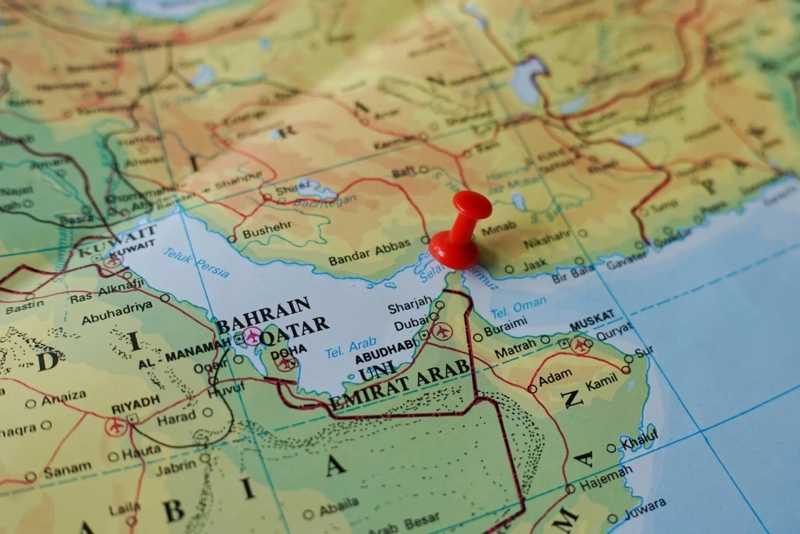
Ship traffic through the Strait of Hormuz, the world's most critical energy chokepoint, has all but stopped as military clashes between the US and Iran intensify again. With the US carrying out airstrikes on Iran for a second straight day, transit through the strait has plunged to levels seen during the war, disrupting the global energy supply chain.
Bloomberg reported on July 9 that limited ship movement was visible only on the northern shipping lane approved by Iran. The southern lane near Oman, backed by the US, was nearly empty.
Ship-tracking data showed only two large vessels transiting the strait: one tanker under US sanctions and one Iranian-flagged container ship. In effect, normal commercial shipping has come to a standstill.
Traffic through the waterway has fallen sharply. Data firm Kpler said 14 commodity carriers passed through the Strait of Hormuz on July 8, the lowest daily total since the US and Iran signed a ceasefire memorandum of understanding on June 17.
In the three weeks after the MOU, an average of 34 commodity vessels crossed the strait each day. The figure climbed to 59 on June 24. During the war, however, fewer than 20 ships a day passed through on average, indicating that conditions in the strait have reverted to wartime levels.
Transit by liquefied natural gas carriers has also stopped. Still, two LNG carriers believed to be empty recently entered the Gulf of Oman and were heading toward the eastern entrance of the Strait of Hormuz.
Signs of signal interference have also resurfaced around the strait. Bloomberg reported early on July 9 that some vessels southeast of Lima in the Gulf of Oman appeared to be moving at abnormal speeds of more than 30 knots. The disruption may have been caused by electromagnetic interference as nearby countries activated air-defense systems against possible drone attacks.
Oh Se-seong, Hankyung.com reporter sesung@hankyung.com

Korea Economic Daily
hankyung@bloomingbit.ioThe Korea Economic Daily Global is a digital media where latest news on Korean companies, industries, and financial markets.