SK Hynix Prices Nasdaq ADR at $149, Raises $26.5 Billion in Biggest US IPO by a Foreign Issuer
Summary
- SK Hynix said it priced its ADR on Nasdaq at $149, raising $26.5 billion.
- The company said the ADR achieved premium pricing over the Korea-listed common shares, with more than 500 overseas institutions indicating demand for seven times the shares on offer.
- Brokerages said the premium between the US ADR and the Korea-listed common shares, and whether arbitrage closes that gap, will be the key variables shaping future valuations and the stock's trajectory.
Forecast Trend Report by Period


SK Hynix ADR trading begins on Nasdaq
Company raises $26.5 billion in the largest US IPO by a foreign issuer
Strong institutional demand fuels hopes for a TSMC-style re-rating
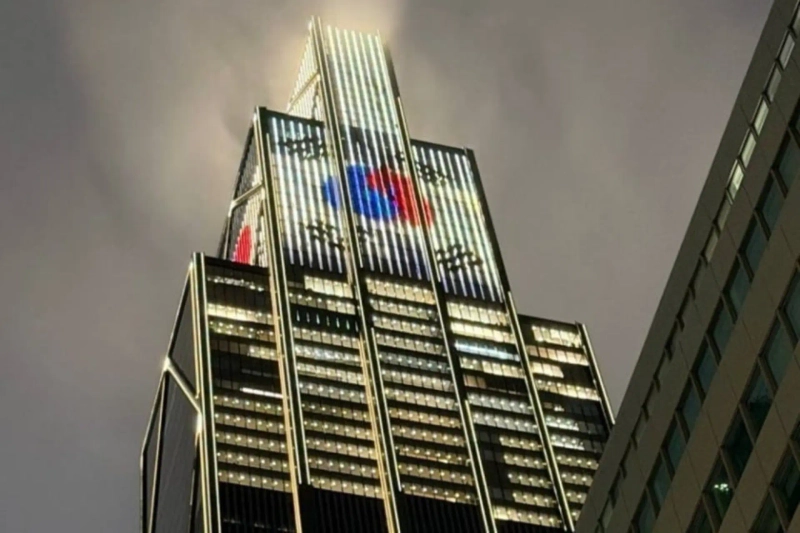
SK Hynix is stepping up its push for global investors with a Nasdaq listing of American depositary receipts, or ADRs, priced at a premium to its Seoul-traded shares. The company became the first bookbuilt ADR offering to achieve premium pricing in what it says is the largest US listing by a foreign company, underscoring strong demand from global investors. The debut is also reviving expectations for a semiconductor supercycle that had recently lost momentum.
ADR offer price set at $149, raising $26.5 billion
On July 10, SK Hynix said its Nasdaq ADRs were priced at $149. The offer price was set above the company's Kospi share price in South Korea, signaling that demand from US institutional investors exceeded the shares available.
In Seoul trading on July 10, SK Hynix closed at 2.18 million won, down 0.27% from the previous session. The stock opened at 2.296 million won, up 5.03%, and briefly traded at 2.305 million won soon after the open before surrendering those gains and swinging between gains and losses throughout the day.
An ADR is a certificate backed by newly issued SK Hynix shares deposited with a US custodian, allowing the securities to trade on US exchanges with the same effect as common stock. One deposited SK Hynix share will be converted into 10 ADRs. Trading will begin later on July 10 with the company's opening-bell ceremony.
SK Hynix will raise $26.5 billion through the ADR listing, securing cash for large capital expenditures including the Yongin semiconductor cluster. That surpasses the $25 billion raised by Alibaba in its 2014 Nasdaq debut, making it the biggest US initial public offering by a foreign issuer. Among all US IPOs, it ranks second to SpaceX, which raised $85.7 billion.
The above-market offer price points to investor confidence in further upside for SK Hynix shares. Ahead of the listing, inquiries from overseas institutional investors poured in. More than 500 firms indicated interest in buying roughly seven times the shares on offer, according to the company.
Global investment banks underwriting the ADR sale are also in line for hefty fees. SK Hynix's prospectus shows underwriting fees of 388.8 billion won, equal to 0.97% of the total offering size. That is higher than the roughly 0.5% fee level previously estimated by foreign media. SpaceX paid 0.67%, while Alibaba's 2014 IPO carried fees of about 1.2%.
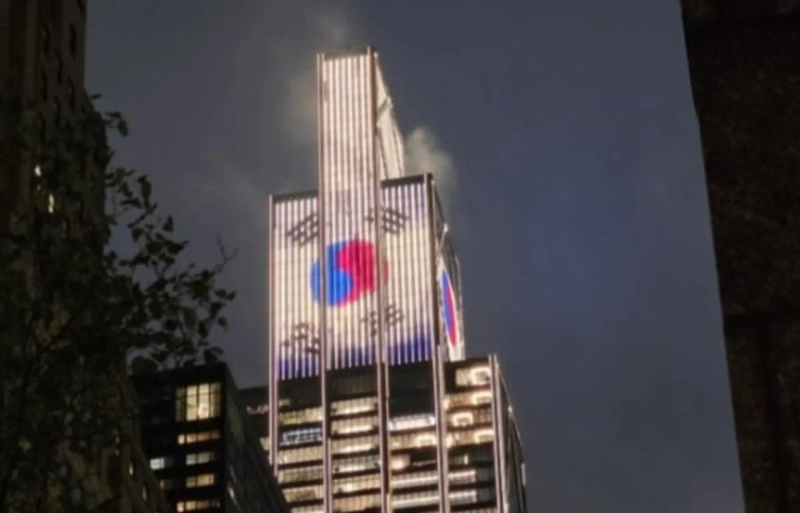
ADR listing may widen US investor access
SK Hynix is seeking two main benefits from the ADR sale: broader access for US investors and a potential valuation re-rating after trading at lower earnings multiples than US chipmakers despite its strength in high-bandwidth memory, or HBM. If the ADR trades at a premium to the Korea-listed shares, arbitrage could increase demand for the domestic stock and support its price.
TSMC is often cited as the clearest precedent. Its ADSs, the US-traded units of its depositary shares, have long traded at a premium to the Taiwan-listed stock. The average premium widened to 7.4% in 2020 through 2023 from 3.2% in 2010 through 2019, then climbed to 19.1% from 2024 as enthusiasm for artificial intelligence investment intensified. It has held at an average of 17.5% so far this year.
"The ADR listing should expand access for global investors and could lead to a simultaneous re-rating of both the US ADR and the Korean common shares," Kim Dong-won, an analyst at KB Securities, said.
Still, an ADR listing does not guarantee an immediate rise in the stock price. Concerns about a peak in the memory cycle and worries over slowing AI spending by big technology companies are restraining sentiment.
Brokerages are now focusing less on the ADR's first-day price than on how the valuation gap between the US and Korean markets develops. The key question is whether any premium established in the US carries over to the Seoul-listed shares or is quickly erased through arbitrage.
"For the Korean common shares, one distinction matters," Noh Dong-gil, an analyst at Shinhan Securities, said. "SKHY trading 10% to 20% higher in the US and a higher target multiple for the Korean stock may not be the same event."
"The gap could narrow because the Seoul shares rise, or it could remain as a separate premium tied to US market access," he added. "In the latter case, the US listing may reveal the price gap between the two markets rather than reduce the Korea discount."
Kang Kyung-ju, Hankyung.com reporter (qurasoha@hankyung.com)

Korea Economic Daily
hankyung@bloomingbit.ioThe Korea Economic Daily Global is a digital media where latest news on Korean companies, industries, and financial markets.