Trump Orders Fresh US Strikes on Iran; Tehran Media Signals 13 Western Leaders as Revenge Targets
Summary
- The US military said it carried out successive strikes on Iranian missile and air-defense systems and IRGC forces in the Strait of Hormuz on President Trump’s orders.
- Iran confirmed that a military facility on Qeshm Island was hit by US airstrikes, and said the IRGC had declared a full blockade of the Strait of Hormuz.
- An ultraconservative Iranian media outlet published an infographic suggesting that 13 Western leaders, including President Trump, were targets for revenge.
Forecast Trend Report by Period


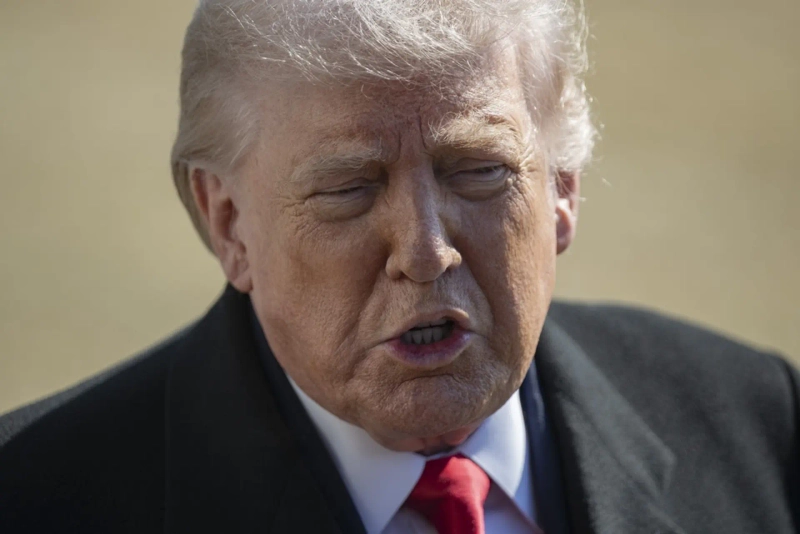
Fighting between the US and Iran around the Strait of Hormuz is escalating again. The US military said it carried out fresh strikes on Iran’s missile and air-defense systems and on Islamic Revolutionary Guard Corps, or IRGC, forces on the orders of President Donald Trump. Iranian media later published reports identifying Trump and other Western leaders as targets for retaliation.
US Central Command said in a post on X on July 12 that it launched additional airstrikes at 5 p.m. Eastern time to further degrade Iran’s ability to attack civilian mariners and commercial vessels transiting the Strait of Hormuz.
That was 6 a.m. in South Korea on July 13. Central Command said the commander in chief had directed the strikes to hold Iranian forces accountable, making clear the operation was carried out on Trump’s instructions.
Earlier the same day, the US military also struck Iranian missile facilities, air-defense systems and small IRGC vessels deployed around the Strait of Hormuz.
Barak Ravid of Axios wrote on X that a US official told him the American military had carried out several strikes on Iranian missile and air-defense systems about an hour earlier. Based on the timing of the post, the attack appears to have taken place at about 11:20 a.m. Eastern time on July 12.
The targets included small IRGC fast boats believed to have been used to threaten or attack civilian shipping. It was the fourth US strike on Iranian military facilities since Iran resumed attacks on vessels passing through the Strait of Hormuz on July 7.
Iran confirmed that a military facility on Qeshm Island had been hit. Iran’s state-run IRNA news agency reported that an Iranian official said 10 to 11 enemy shells landed on the island that evening. Iran said the strike targeted a military installation and caused no casualties.
Qeshm Island, in the Strait of Hormuz, is a strategic site that hosts Iranian radar surveillance bases and other military assets. It has been targeted several times since the latest round of clashes between Washington and Tehran began.
The US has repeatedly struck military targets inside Iran in response to Iranian attacks on commercial vessels in the Strait of Hormuz. Iran, in turn, has continued attacks on US military bases in the Middle East. The IRGC said the same day that it would impose a full blockade of the Strait of Hormuz.
As the military confrontation continued, an ultraconservative Iranian media outlet published an infographic suggesting Trump, Israeli Prime Minister Benjamin Netanyahu and leaders of major European countries were targets for revenge.
AFP reported that Iran’s ultraconservative daily Hamshahri posted an online infographic showing 13 people believed to be the intended targets after Ayatollah Mojtaba Khamenei, Iran’s supreme leader, vowed revenge for those killed in the war.
After holding the funeral of his father, Ayatollah Ali Khamenei, Ayatollah Mojtaba said in a written message: “We vow revenge for you and for the pure blood of all the martyrs who were lost in these two wars.” He added: “This revenge is the demand of our people and must be carried out.”
Hamshahri’s infographic did not identify the individuals by name. But target marks were placed over portraits of Trump and Netanyahu.
The infographic also included US Secretary of State Marco Rubio, French President Emmanuel Macron, Italian Prime Minister Giorgia Meloni, German Chancellor Friedrich Merz and British Prime Minister Keir Starmer.
Since the war began on Feb. 28, Iran has accused European countries of complicity in the attacks, saying they failed to condemn US and Israeli strikes on Iranian territory and allowed US military aircraft to use their airspace.
Hong Min-seong, Hankyung.com reporter, mshong@hankyung.com

Korea Economic Daily
hankyung@bloomingbit.ioThe Korea Economic Daily Global is a digital media where latest news on Korean companies, industries, and financial markets.