Summary
- Trump said the Strait of Hormuz will remain open, but only Iranian vessels and Iranian customers will face a blockade.
- He said the US will immediately begin a process to recoup safety and security costs in the Strait of Hormuz through a 20% charge on all cargo transported.
- Markets said the move could affect Middle East risk, uncertainty over oil supplies, and sentiment toward virtual assets (cryptocurrencies) and other risk assets.
Forecast Trend Report by Period


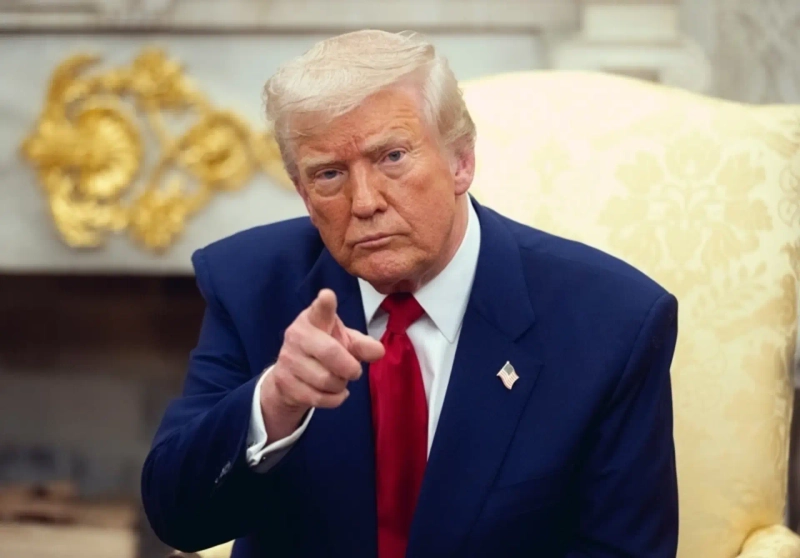
President Donald Trump said the Strait of Hormuz will remain open, while ships and cargo tied to Iran will be blocked.
In a Truth Social post on July 13, Trump wrote that "the Strait of Hormuz is open, and it will remain open, with or without Iran."
He said he was restoring an Iran blockade and described it as a measure that would only prevent Iranian vessels or Iranian customers from entering or leaving.
All other countries will be able to use the Strait of Hormuz fairly and openly, Trump said.
He also said the US would be known as the "guardian of the Strait of Hormuz." On grounds of fairness, the US would be reimbursed for all costs required to provide safety and security in the volatile region, he added.
Trump said that reimbursement would take the form of a 20% charge on all cargo transported through the waterway. He added that the process and structure would begin immediately.
The remarks came as military tensions between the US and Iran intensify and passage through the Strait of Hormuz becomes a key variable for oil prices and volatility in global financial markets.
Markets view the move as one that could prolong Middle East risk and uncertainty over oil supplies if the US keeps the waterway open while pursuing a selective blockade targeting Iran. Analysts also say it could affect sentiment toward risk assets, including virtual assets, or cryptocurrencies.

Minseung Kang
minriver@bloomingbit.ioBlockchain journalist | Writer of Trade Now & Altcoin Now, must-read content for investors.